Image

Archive for Natural Health Product Benefits – Page 3

Healthy Body Systems: Intestinal System – Colon

If we consider that the Intestinal System is actually a major component of the Digestive System since its function is to “consume” the nutrients found in the food we eat and deliver them to the bloodstream for delivery to the rest of the body, then the Large Intestine, which we call the Colon, actually carry out the water reclamation and waste disposal function of the body.

The colon is also called the large intestine, begins in the lower right part of the abdomen, and is divided into four parts: the ascending colon which travels up the right side of the abdomen, the transverse colon that runs across the abdomen, the descending colon that travels down the left side of the abdomen, and the sigmoid colon that curves to align the colon with the rectum to allow waste to leave the body.

The colon removes water, salt, and some nutrients from the stool and has muscles that line the colon’s walls, squeezing its contents along. Like a balloon, as this muscle is overfilled and evacuated for some time, it begins to “dimple”. These dimples are called diverticula and are pockets where foreign mater can collect, become inflamed, and cause disease. Therefore, regular bowel movements are necessary; ideally, you should have a bowel movement about 45 minutes after each meal.

To keep your bowel healthy, you need fiber, water, and regular bowel movements. There are two types of fiber that are necessary – soluble and insoluble.

I call the soluble fiber “sponges”.  They wipe down the colon walls, absorb toxins, and help remove liquid waste.  We refer to herbs that perform these actions as mucilage – herbs like slippery elm, glucomannan, and marshmallow.

The insoluble fiber I call “brooms”. This type of fiber “sweeps” heavier waste and scrubs colon walls to remove the more solid waste material from the colon as the muscle linings move all the waste along. Herbs that help perform these functions generally contain more cellulose/structure, like acacia, psyllium, and cascara sagrada.

A healthy colon will also have billions of probiotics (friendly bacteria) lining its walls, living in a healthy balance with the body.

As for a healthy colon diet:

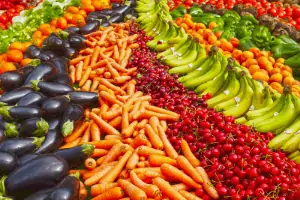
  • Increase your fiber intake. Eat plenty of fruits and vegetables. Consider apples, pears, raspberries, bananas, oranges, and cooked peas, corn, broccoli, and artichoke. Add whole grains and legumes: Consider whole wheat flour, barley, quinoa, wild rice, oatmeal, and beans.
  • limit red meat consumption. Try to stay under 100 grams of red meat, and under 50 grams of processed meats.
  • keep sugar intake at a minimum because of its inflammatory potential.
  • control your weight

Last year our blogs covered the topic of cleansing for each body system. I would reiterate here that an annual bowel/colon detox could be helpful in keeping the colon functioning well. (Refer to last year’s colon cleansing blog.)

Colon issues can be very uncomfortable, and also very deadly. Keep it healthy.  Add “intestinal” to your list of Healthy Body Systems!

–  Randy Lee, BSE, MS, ND, is the Owner of The Health Patch, 1024 S. Douglas Blvd, MWC, 73130. Call us at (405) 736-1030, and visit our website at www.thehealthpatch.com.

Emotional Balance: What are Flower Essences?

As humans, we are three-part beings—Spirit, Soul, and Body.  Spirit is our connection to God; the “new” man when we have been redeemed by Christ and this part is perfect, made in HIS image.  The Body, as we all well know can seem very imperfect from time to time with the aches, pains, trauma, and illnesses we can experience. Then there is the Soul: the mind, will, and emotions.  Our thought processes, our beliefs, and the emotions connected to the thoughts and beliefs. As natural health practitioners, it is our ministry to help others achieve balance in the whole being, and it is the soul or emotion part we will focus on today and discuss how emotions affect our well-being and how we can bring harmony into this area for better health.

 We all have these expressions called emotions and may even have experienced a wide range of them this past year as we have experienced the unknowns in our society. Emotions are a critical part of our human nature.  They communicate to us just like physical cues of hunger, pain, fatigue, and tension communicate to us.  Emotions tell us where we are in life and relations to ourselves and others.  They inform us of our spiritual and social needs.  The word “emotion” comes from the Latin root of emovere which means to move, remove or agitate; therefore, emotions were given to us by our Creator to move us or prompt us to do something.  They evoke emotion, and contrary to popular belief, emotions do not lie.  They are accurately communicating what our needs are, but our thoughts about those emotions can certainly be deceptive because they can misinterpret the message the emotion is trying to convey.  The thoughts about the emotions were shaped by those cues we received from the world around us.  Following these thoughts instead of the emotion messengers can lead to being out of touch with our emotions, therefore our needs.  When this occurs, we rely on two equally dysfunctional ways of dealing with our emotions.  We either suppress and deny our feeling or we blame and vent.  Neither of these strategies is effective because neither leads to a feeling of wellbeing.

Our goal is to find Emotional Balance.  To achieve emotional balance, we must learn to listen to the messages our emotions are telling us as well as identify the actual need behind the emotions.  We must then take responsibility for finding ways to get those needs met, not place that responsibility on another.  While many may try to reach this balance by attempting to change their emotions through their mind or body (that is, trying to change their thinking or take drugs that alter chemical messengers in the body that are involved in emotional response) there are ways of dealing directly with our emotions that can produce lasting changes.  One of these tools for emotional balance or healing is flower essences.

What are flower essences?

Flower essences are vibrational remedies made from the flowers of plants.  While “vibrational” remedies may sound a little strange, let me bring to mind other areas that are more familiar where vibrations or energy therapy is applied:  X-rays, radiation therapy for cancer, electrical nerve stimulation for treating pain, and full-spectrum light used to treat seasonal affective disorders.  So not a new idea, but certainly an effective one.  They were founded by Dr. Edward Bach, an English medical doctor born in 1886.  Dr. Bach had become frustrated by the symptomatic approach of “modern” medicine.  He felt that medical doctors focused too much on the pathology of illness and not on the patients themselves.  In his own observations, he noticed that each of his patient’s emotional states were a crucial part of their healing process.  It was this observation and theory that prompted Dr. Bach to begin work on his own remedies using the power of plants.  The flower essences were (and continue to be) created by placing fresh flowers in pure spring water in the sunlight.  The flowers were then removed and the water preserved with brandy to make a mother tincture.  The tincture is then diluted homeopathically. The dilution is so great that only the “vibration” of the plants remain.  The theory is that each flower used in the essence had to overcome many challenges in nature: extremes of temperature and harsh environmental conditions, and that plants, like people, have an “energy” or characteristics that help that person to overcome adversity.    Just as associating a person with positive traits can help us learn to meet life’s challenges, so can associating the right plant energies to bring balance to the soul of a person.  A flower essence captures the vibration of the plant’s personality which helps our own emotional energy.

When we take a flower essence, we are taking in the emotional energy of the plant which can break through blocks in our emotional world and help us feel things we may not be acknowledging.  This increased awareness of our emotions helps us make constructive changes in our lives and bring balance to the whole body.

During this next year, as we discuss holistic approaches to well-being in the home and body, I will bring to you each month a flower, its characteristic’s and the emotional challenges it can help a person to overcome. I am excited about this opportunity to share with you and I hope you find flower essences as exciting as I do.

Health and Blessings,

Kimberly Anderson, ND

Randy Lee, BSE, MS, ND, is the owner of The Health Patch, 1024 S. Douglas Blvd, MWC, 73130. Call us at (405) 736-1030, and visit our website at www.thehealthpatch.com.

Simples: American Ginseng

The word “simple” can have a few definitions if one were to look it up in the dictionary. One definition of simple is “easy to understand, deal with, or use.”  In reference to plants, the definition refers to an “herb or plant used for medicinal purposes.”  Obviously, as a natural health practitioner, this definition is my favorite, and I am excited to be bringing a “simple” to Natural Health Dialogue each month.  It is my hope that the information I share is “easy to understand, deal with, and use”. 

This month’s simple is American Ginseng.

Ginseng, derived from the Chinese word jen-shen meaning “the essence of man”, has long been valued in Asian countries and was once so revered that only the emperor was allowed to collect the plant.  Panax ginseng is the Asian or Korean species of ginseng and continues to be one of the most highly prized herbs in the world due to its ability to increase energy, physical stamina, and agility.

American Ginseng or Panax quinquefolius has historically been widespread in the Appalachian or Ozark regions of the U.S.   The temperate climate and shady, rich soil in these mountainous regions provide the unique requirements for the growth of ginseng. However, due to overharvesting and urban growth, the ginseng supply is far less than what it once was.  Fortunately, small doses still provide significant health benefits. 

While American Ginseng is less stimulating or energizing than Korean or Asian Ginseng, it contains similar energizing compounds called ginsenosides and a second group of compounds called panaxanes.  These compounds appear to have even more health benefits that include helping the body cope and adapt to stress, boost the immune system, and regulate blood sugar.  Ginseng also has antioxidants that are important in helping to prevent free radical damage that can cause premature aging.

This month, in our holistic dialogues, Dr. Lee has discussed digestion and how important it is for us to be digesting well.  As we age, digesting and utilizing nutrients well can become difficult.  American Ginseng’s medicinal properties make it greatly beneficial in building up and nourishing the digestive organs as well as helping the body to absorb nutrients more efficiently.

While generally safe and non-toxic there are some that should not use ginseng.  Persons with high blood pressure, acute inflammation, or acute illnesses such as cold or flu should not use ginseng.  High doses can cause insomnia and overstimulation.  However, 100 mg one to two times a day can be an effective long-term tonic for digestion, and the other health benefits listed above.

If you think American Ginseng is for you, we would love to help you here at The Health Patch.

Health and Blessings,

Kimberly Anderson, ND

Randy Lee, BSE, MS, ND, is the Owner of The Health Patch, 1024 S. Douglas Blvd, MWC, 73130. Call us at (405) 736-1030 and visit our website at www.thehealthpatch.com.

Berberine

This month we are talking about the small intestine and the importance of keeping it healthy and what can be done to bring back balance and health to this vital portion of the digestive tract. 

Bacteria is necessary for the function of the digestive system but most of the bacteria needs to be in the large intestine not the small intestine.  Too many bacteria in the small intestine can cause a condition called SIBO or Small Intestinal Overgrowth.  SIBO can cause the small intestine to not be able to keep up with its important job of breaking down food and absorbing nutrients, leading to vitamin deficiencies and uncomfortable symptoms like gas and bloating.  Berberine has been found to have great benefits for the small intestine by helping to restructure the balance of the microbiome and reducing bacteria overgrowth.

So what is this Berberine?  It may sound like it is something new, but Berberine has been used for centuries by natural health practitioners.  It is an alkaloid—a naturally occurring compound—found in plants that have traditionally been used where infections have been present such as Barberry, Goldenseal, and Oregon grape Root. 

Modern studies are showing that not only is the Berberine found in these plants beneficial against infection, but this alkaloid may be helpful in other conditions like diabetes, arthritis, hypertension, and high cholesterol.  In fact, it was written in the December 2012 issue of Natural Medicine Journal  “Any condition that would be favorably impacted by a patient losing weight and or exercising more may be impacted favorably with oral berberine supplementation.”

“It makes sense to consider berberine for clients with insulin resistance, pre-diabetes, diabetes, metabolic syndrome, hypertension, heart disease, dyslipidemia, cancer, depression, and other neuropsychiatric diseases.”

In a 2015 Endrocrinol journal it was stated: “…..modern pharmacological effects of berberine on glucose metabolism…include improving insulin resistance, promoting insulin secretion…..”

Not only has berberine shown to help improve the regulation and function of insulin, but it also appears to inhibit the growth of fat cells.  Good news for those of us needing to lose weight!

Losing weight and controlling insulin levels are both great benefits for the heart and the use of berberine is showing some even more positive effects on the heart and high blood pressure by stimulating the release of nitric oxide, a molecule that relaxes arteries.  That means better blood flow and lower blood pressure.

High Cholesterol?  Yep, berberine may help there too.  Eleven clinical trials with a total of 874 participants noted that berberine may reduce LDL cholesterol while increasing HDL.  That means down with the bad and up with the good, just what a healthy body needs.

Increase insulin function, inhibit growth of fat cells, stimulate nitric oxide, lower cholesterol, fight infection, and reduce bacterial overgrowth. Could we have a silver bullet here?  Maybe not, but when you add in the anti-inflammatory properties of berberine and research showing positive effects on pain reduction in arthritic conditions, we may be getting close

Especially in America where nearly 34 million people have diabetes (95% is Type 2), 54 million people have an arthritic condition, 4 in 10 Americans are obese, and approximately 60% of people diagnosed with Irritable Bowel Syndrom also have SIBO, supplementing with berberine in either isolate form or in an herbal sounds like something to look in to.

Always be sure to use quality supplements that have been sourced and harvested well.  We here at The Healthpatch are always happy to help you find your best supplements.

Health and Blessings,

Kimberly Anderson, ND

For more information, contact Naturopathic Doctor Randy Lee, owner of The Health Patch at 1024 S. Douglas Blvd, Midwest City, at 405-736-1030, e-mail [email protected] or visit TheHeathPatch.com.

Hypochlorous Acid

This is a product that is just too good to be easily believed. So, up front, I admit to plagiarizing virtually all the information I have placed here. I want my listeners to know that these are not claims that I am making. These comments have been approved for the manufacturer by the EPA. It is an “EPA-registered disinfectant & sanitizer that kills 99.9% of germs, even Staph, MRSA, Norovirus, Influenza A, Salmonella, and Listeria when used as directed. It’s on EPS’s N list of Disinfectants for Use Against SARS-CoV-2, the cause of COVID-19.”

Hypochlorous Acid, I’m told, is produced by every cell in the body and released into the blood stream as a part of your immune system to kill these pathogens. Previously, the problem had been that no one had been able to produce it OUTSIDE the body. But a few years back, the manufacturer found a way to electrocute [my word – I don’t really understand the actual process] salt water and produce a shelf stable hypochlorous acid.

The manufacturer calls it a “Non-toxic Natural Ingredient Solutions for Cleaning and First Aid”. They further state that it is “Natures gift to us and our environment. We’ve taken an incredible aspect of the body and made a gentle, effective, multi-purpose cleanser, first aid, and hand and skin products that are safe to use everyday for you, your family, pets and home!”

What does it do? Again, from their literature, the “Hypochlorous acid [is the] active ingredient that kills multiple drug resistant bacterium.

  • Virucide, Tuberculocide, Bactericide, GermicideKills Pandemic 2009 H1N1 influenza virus (formerly called Swine Flu)
  • Kills Clostridium difficile (C.diff) spores
  • Kills HIV (Aids virus), Norovirus, and Rhinovirus
  • Deodorizes by killing the bacteria that causes odors
  • Aids in the reduction of cross-contamination between treated surfaces
  • Free from alcohol, Phenol & VOC [Volatile Organic Compounds]
  • Not harmful to septic and waste water treatment systems”

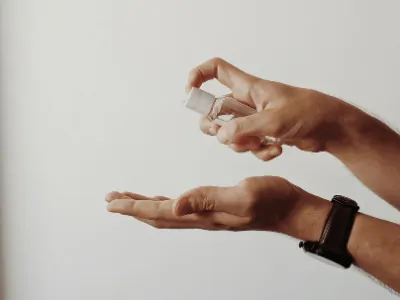
I’m told that for a product to be called a “sanitizer” by FDA rules, it MUST contain alcohol. Therefore, this product cannot be labeled a sanitizer, but is labeled as a “hand & skin cleanser”.

I’ve personally used the products. A personal problem of mine has always been that I have extremely dry skin. As a kid I was seriously teased by the fact that my hands were so dry that they were continually cracked to the point of bleeding. The solution back then was to slather them with “toilet lanolin” (sheep fat) every night, and sleep with my “fatted” hands in cotton socks! – NASTY! Especially for an 8th grader!!! One of my favorite attributes of this product is that it is water based, not alcohol based. Therefore, it kills the pathogens that a hand sanitizer kills, but does not cause you to suffer the drying, burning, and toxic effects caused by alcohol.

Come by the store and look at these wonderful products and pick up some of the manufacturer’s educational literature. We think you’ll love them, too. It’s trademarked “Seriously Clean, powered by Nixall”.

  • For more information, contact Naturopathic Doctor Randy Lee, owner of The Health Patch at 1024 S. Douglas Blvd, Midwest City, at 405-736-1030, e-mail [email protected] or visit TheHeathPatch.com.

October

Overview: Awareness: Breast Cancer, Children’s Health, Dental Hygiene, Domestic Violence, Down Syndrome, Healthy Lung, National Chiropractic, National Physical Therapy, SIDS, Vegetarian Flower: Calendula Gemstone: Opal, Tourmaline Trees: Hazelnut, Rowan, Maple, Walnut

Halloween:
Halloween is one of those holidays that are challenging for those with diabetes. Diabetes is a condition marked by elevated blood sugar levels. It is currently one of the most prevalent metabolic disorders around the world. In fact, type 2 diabetes now affects more than 20 million Americans.

Diabetics need to be extra cautious of what they add to their plate-especially during the holidays. There are many dishes that are loaded with sugars of all kinds. Sugars are naturally occurring carbohydrates. These include brown sugar, cane sugar, confectioners’ sugar, fructose, honey, and molasses. They have calories and raise one’s blood glucose levels (the level of sugar in the blood).

There are many different types of sugars that tend to have little to no effect on one’s blood sugar levels. They are:

  • Sucralose (Splenda)-It is 600 times sweeter than sugar, yet has no effect on blood sugar, says Keri Glassman, RD, CDN, of Nutritious Life. In addition, Splenda passes through the body with minimal absorption. These attributes have helped it become the most commonly used artificial sweetener worldwide, according to an article published in October 2016 in Physiology & Behavior. However, there are studies that show it to be a cancer-causing agent when heated above 350 degrees. And another study showed beneficial gut bacteria like bifidobacteria and lactic acid bacteria were significantly reduced, while more harmful bacteria seemed to be less affected. The Food and Drug Administration (FDA) recommends an acceptable daily intake (ADI) of 5 milligrams (mg) or less of sucralose per kilogram (kg) of body weight per day. A 132-pound individual would need to consume 23 tabletop packets of the artificial sweetener per day to reach that limit.
  • Saccharin (Sweet ‘N Low)-It is calorie-free and is about 300 to 500 times sweeter than sugar. It was the first artificial sweetener, with chemists discovering it as a derivative of coal tar by mistake in 1879, according to Encyclopedia Britannica. Studies by the National Toxicology Program of the National Institutes of Health concluded that saccharin shouldn’t be on the list of potential carcinogens. Saccharin is currently FDA-approved. A 132-lb individual would need to consume 45 tabletop packets of the artificial sweetener per day to reach the ADI of 15 mg of saccharin per kg of body weight per day.
  • Aspartame (Equal)-It is a nonnutritive artificial sweetener that is 200 times sweeter than sugar. While not zero-calorie, it is still very low in calories. A study published in December 2014 in the journal Cytotechnology, has shown linkage to leukemia, lymphoma, and breast cancer. “Other research shows a [possible] linkage to migraines.” People with phenylketonuria (PKU), a rare condition in which they are unable to metabolize phenylalanine (a key component of aspartame), should not consume this sugar substitute. A 132-lb individual would need to consume a whopping 75 tabletop packets of the artificial sweetener per day to reach the ADI of 50 mg of aspartame per kg of body weight per day, notes the FDA.
  • Stevia (Truvia)-Steviol glycosides are sweeteners derived from the leaf of the stevia plant, which is native to Central and South America. It is calorie-free. However, it doesn’t have a 1:1 ratio (cup-for-cup) with sugar when using it in foods and drinks. Thus, one needs to remember a little stevia can go a long way. It can also gain a bitter taste when too much is used depending on the brand. According to the 2019 Standards of Medical Care in Diabetes, published in January 2019 in Diabetes Care, nonnutritive sweeteners, including stevia, have little to no impact on blood sugar. The FDA has approved the use of certain stevia extracts, which it has generally recognized as safe (a term that is applied to food additives that qualified experts deem as safe, and therefore not subject to the usual premarket review and approval process). Memorial Sloan Kettering Cancer Center notes that people have reported side effects, like gastrointestinal symptoms, after eating high amounts of stevia. But to date, there is no solid scientific research to prove these claims. The FDA recommends an ADI of 4 mg or less of stevia per kilogram of body weight per day. A 132-lb individual would need to consume nine tabletop packets of the artificial sweetener per day to reach that limit.
  • Sugar Alcohols (or polyols)-They are derived from the natural fibers in fruits and vegetables, according to the Joslin Diabetes Center. They include Xylitol (sourced from corn and birch trees), Sorbitol, Mannitol, and Isomalt. They may have a laxative effect and cause indigestion, bloating, and diarrhea in some people, the FDA points out. Products containing sorbitol and mannitol must bear a label warning that excess consumption can cause a laxative effect, per the FDA. The gastrointestinal symptoms arise because sugar alcohols are not completely absorbed in the digestive tract, says Lynn Grieger, RDN, CDE. She explains that unabsorbed carbohydrates from these sweeteners pass into the large intestine, where they are fermented by gut bacteria to produce gas. Sugar alcohols do contain some carbohydrates and are nutritive sweeteners, so they can affect blood sugar levels. If one counts carbs to manage diabetes, a common rule of thumb is to subtract half the amount of the sugar alcohol carbs listed on the nutrition label from the total carbs listed, according to the University of California in San Francisco. Also, they do have a 1:1 ratio with sugar when it comes to food and drink. When baking with yeast and making hard candies, these should not be used. And they are harmful to dogs.
  • Erythritol-It is also a sugar alcohol sweetener, but unlike the others just mentioned, it has less than 1 calorie per gram, notes the International Food Information Council Foundation, and doesn’t have a big effect on blood sugar levels, per the American Diabetes Association. It’s an ingredient in the stevia-derived sweetener Truvia and is marketed under the brand-name Swerve. Swerve measures 1:1 ratio with sugar. Thus, one can use it like table sugar, or in cooking and baking recipes that call for sugar. If other sugar alcohol sweeteners give one tummy trouble, this may be a better option for them. It is less likely to produce the gas, bloating, and diarrhea that happens from fermentation by gut bacteria because only about 10% of the erythritol consumed enters the colon, per past research. The rest leaves the body through the urine. There’s no ADI for erythritol.
  • Monk Fruit (Luo Han Guo fruit extract and Siraitia grosvenorii Swingle fruit extract)-This nonnutritive sweetener comes from a plant native to southern China. The extract contains 0 calories per serving, per the International Food Information Council Foundation, and per the FDA, is 150 to 200 times sweeter than sugar. The FDA has not questioned notices submitted by monk fruit sweetener makers that the extract is “generally recognized as safe.” The agency doesn’t specify an ADI for monk fruit sweetener. It also has a 1:1 ratio with sugar.

As one can see, there are many artificial sweeteners to help one reach their blood sugar goals. Just remember that maintaining them will be easier if one practices moderation and don’t allow sweet-tasting food and beverages to lead one to overconsume them. A major goal should be to reduce all types of sweeteners in one’s diet, including sugar substitutes so that one becomes accustomed to the naturally sweet taste of food. In fact, the American Diabetes Association recommends that in the case of beverages, it’s best not to rely on zero- or low-calorie options as a replacement for ones that contain sugar beyond the short term; but instead, to consume as little of any type of sweetener as one can, and simply drink more water.

There are two types of fiber: water-insoluble and water-soluble. Water-insoluble fibers bind or attract water, becoming very viscous and add bulk to the stool. This bulking helps maintain normal bowel function by acting as a scouring agent in the bowel. Water-soluble fibers actually dissolve in water and are further altered by the bacteria in our intestines. However, all fibers can slow the absorption of sugar and fat from food, and therefore help prevent spikes in blood sugar and blood fat after eating, possibly reducing the inflammatory response to food. Fiber can also prevent the absorption of some fat and cholesterol altogether, lowering blood triglyceride and cholesterol levels.

Calling fiber indigestible is not entirely accurate. Although we do not produce the needed enzymes to digest many of the fibers we eat in our diets, many of the bacteria that live in our intestines are able to break down, or ferment, fibers. It provides important nutrition for the bacteria to live and prosper, and so they are called pre-biotics. Many have heard of the fiber, fructooligosaccharides (FOS)/inulin. A few examples of inulin-containing foods are legumes, jicama, onions, and Jerusalem artichokes.

Fiber is further important in normal detoxification functions in the body. Much of this detoxification occurs in the liver. When the liver detoxifies these substances, the end products are frequently eliminated in the bile, a liquid substance made in our liver, and secreted via the gall bladder into our intestinal tract. When we eat a high fiber diet, the fiber from our meals binds these toxins and allows us to eliminate these waste products. Without a lot of fiber in the diet, these toxins can be reabsorbed, go back to our liver, and need to be processed again. Requiring the liver to reprocess these toxins requires more energy and may result in higher levels of these toxins in the bloodstream.

The United States Department of Agriculture (USDA) recommends adults eat 14 grams of dietary fiber per 1000 calories eaten in the diet. For most of us, this translates into 21-28 grams of fiber per day. However higher fiber diets may have additional benefits for those people with diabetes, including reducing blood sugar, lowering insulin, and lowering cholesterol. A typical recommendation to patients is 35-40 grams of fiber per day ideally achieved through the diet alone, with additional fiber intake (usually as a powered supplement) for weight loss or to selectively target reduction in post-meal blood sugars. Many people need to increase their water intake when they increase their fiber intake to avoid constipation because of the water-binding/bulking effects of water-insoluble fibers. Fiber, in combination with fish oil, has extra benefits on triglycerides and total cholesterol.

Vegetables (like kale, collard greens, chard, arugula, and lettuces), whole grains (like quinoa, barley, oats, and rye), nuts and legumes (beans, peas, soy, black, pinto, and lentils) remain the single best sources of fiber in the diet. Quick sources of supplemental fiber include ground flaxseed (freshly ground to preserve the oils present in the seeds), powered fiber supplements, chopped nuts, and/or oat bran. All of these can be sprinkled over salads, mixed in protein-shakes or water, or added to yogurt, salads, and vegetable medleys.

Psyllium, oat bran, glucomannan (Konjac), corn bran, peas, and agar have all been studied in people with type 2 diabetes. They all demonstrated substantial reductions in blood glucose, hemoglobin A1c, triglycerides, LDL cholesterol, and/or weight in study participants. Wheat fiber has also been studied but did not result in improvements in blood glucose or cholesterol in people with diabetes, though this was a very small and short study. Some people cannot tolerate fiber supplements (psyllium being the most commonly reported) as it produces gas, bloating, cramping, and constipation. These are the signs of food intolerance. Also, it is important to determine wheat/gluten sensitivity before choosing to supplement with oat, wheat, rye, or barley bran as a fiber source.

There are many herbal supplements that aid in reducing blood glucose levels. A few are:

  • Curcumin (a compound found in turmeric)-It has been shown to both boost blood sugar control and help prevent the disease. In a nine-month study of 240 adults with pre-diabetes, those who took curcumin capsules completely avoided developing diabetes while a sixth of patients in the placebo group did.
  • Ginseng-It has been used as a traditional medicine for more than 2,000 years. Studies suggest that both Asian and American ginseng may help lower blood sugar in people with diabetes. One study found that extract from the ginseng berry was able to normalize blood sugar and improve insulin sensitivity in mice who were bred to develop diabetes.
  • Fenugreek-It has been used as a medicine and as a spice for thousands of years in the Middle East. In one study of 25 people with type 2 diabetes, fenugreek was found to have a significant effect on controlling blood sugar.
  • Psyllium-Studies show that people with type 2 diabetes who take 10 grams of psyllium every day can improve their blood sugar and lower blood cholesterol.
  • Cinnamon-Consuming about half a teaspoon of cinnamon per day can result in significant improvement in blood sugar, cholesterol, and triglyceride levels in people with type 2 diabetes.
  • Aloe Vera-It has been used for thousands of years for its healing properties. Some studies suggest that the juice from the aloe vera plant can help lower blood sugar in people with types 2 diabetes. The dried sap of the aloe vera plant has traditionally been used in Arabia to treat diabetes.
  • Bitter melon-This is a popular ingredient of Asian cooking and traditional Chinese medicine. It is believed to relieve thirst and fatigue, which are possible symptoms of type 2 diabetes. Research has shown that the extract of bitter melon can help diabetics with insulin secretion, glucose oxidation, and other processes.
  • Milk thistle (aka silymarin)-It has been used for its medicinal properties for thousands of years. Milk thistle may reduce insulin resistance in people with type 2 diabetes who also have liver disease. It contains high concentrations of flavonoids and antioxidants, some of which may have a beneficial effect on insulin resistance. The role of milk thistle in glycemic control is little understood.
  • Holy basil (Tulsi)-It is commonly used in India as a traditional medicine for diabetes. Studies in animals suggest that holy basil may increase the secretion of insulin. A controlled trial of holy basil in people with type 2 diabetes showed a positive effect on fasting blood sugar and on blood sugar following a meal.
  • Neem-It has been long used as a treatment for diabetes. Aqueous extract of neem leaves significantly decreases blood sugar level and prevents adrenaline as well as glucose-induced hyperglycemia. Aqueous leaf extract also reduces hyperglycemia in streptozotocin diabetes and the effect is possibly due to the presence of a flavonoid, quercetin. The plant blocks the action of epinephrine on glucose metabolism, thus increasing peripheral glucose utilization. It also increased glucose uptake and glycogen deposition in isolated rat hemidiaphragm.
  • Gymnema Sylvestre-It has been linked with significant blood-glucose-lowering. Some studies in animals have even reported regeneration of islet cells and an increase in beta-cell function.
  • Nopal (prickly pear cactus)-Inhabitants of the Mexican desert have traditionally employed the plant in glucose control. Intestinal glucose uptake may be affected by some properties of the plant, and animal studies have found significant decreases in postprandial glucose and HbA1c.
  • Okra (bhindi)-It is a rich source of fiber, beta-carotene, lutein, vitamin B6, and folate. B vitamins slow the progress of diabetic neuropathy and reduce levels of homocysteine, a risk factor for this disease. This vegetable has a very low glycemic index. 100 grams of bhindi contains only 7.45 grams of carbohydrates. It is one of the few vegetables, which is also dense in protein. Diabetics are often advised to keep their diet high in protein as it helps keep them satiated and prevent bingeing on other sugary foods. 100 grams of bhindi has less than 33 calories. In addition to the blood-glucose-lowering compounds, okra is also a powerhouse of antioxidants. It is also enriched with anti-inflammatory properties.

There are several vitamins and minerals that aid in reducing blood sugar levels:

  • Chromium-It is required for the maintenance of normal glucose metabolism. Effects of chromium on glycemic control, dyslipidemia, weight loss, body composition, and bone density have all been studied. Considerable experimental and epidemiological evidence now indicates that chromium level is a major determinant of insulin sensitivity, as it functions as a cofactor in all insulin-regulating activities. Chromium facilitates insulin binding and subsequent uptake of glucose into the cell. Supplemental chromium has been shown to decrease fasting glucose level, improve glucose tolerance, lower insulin levels, and decrease total cholesterol and triglycerides while increases HDL cholesterol in normal, elderly, and type 2 diabetic subjects. Without chromium, insulin action is blocked and the glucose level is elevated. Although a low recommended daily allowance has been established for chromium over 200 mg/day appears necessary for optimal blood sugar regulation. A good supply of chromium is assured by supplemental chromium because chromium appears to increase the activity of the insulin receptors, it is logical to expect that an adequate level of insulin must also be present. Those using chromium supplements should be cautioned about the potential for hypoglycemia, and monitoring renal function is prudent.
  • Vanadium-Several small trials have evaluated the use of oral vanadium supplements in diabetes. Most focus on type-2 diabetes although animal studies suggest that vanadium has also potential benefits in type 1 diabetes. In a subject with type 2 diabetes, vanadium increased insulin sensitivity as assessed by euglycemic hyperinsulinemic clamp studies in some but not all trials. Two small studies have confirmed the effectiveness of vanadyl sulfate at a dose of 100 mg/day in improving insulin sensitivity.
  • Magnesium-These mineral functions as an essential cofactor for more than 300 enzymes. Magnesium is one of the more common micronutrient deficiencies in diabetes. Low dietary magnesium intake has been associated with an increased incidence of type 2 diabetes in some but not in all studies. Magnesium deficiency has been associated with complications of diabetes, retinopathy in particular. One study found patients with the most severe retinopathy were also lowest in magnesium.
  • Nicotinamide (vitamin B3)-It occurs in two forms, nicotinic acid, and nicotinamide. The active coenzyme forms (nicotinamide adenine dinucleotide NAD and NAD phosphate) are essential for the functions of hundreds of enzymes and normal carbohydrate, lipid, and protein metabolism. The effects of nicotinamide supplementation have been studied in several trials focusing on the development and progression of type 1 diabetes a meta-analysis and one small trial in type 2 diabetes. Nicotinamide appears to be most effective in newly diagnosed diabetes and in subjects with positive islets cell antibodies but not diabetes. People who develop type 1 diabetes after puberty appear to be more responsive to nicotinamide treatment. Study results have offered more support for the idea that nicotinamide help to preserve β-cell function than for its possible role in diabetes prevention.
  • Vitamin E-This essential fat-soluble vitamin functions primarily as an antioxidant. Low levels of vitamin E are associated with an increased incidence of diabetes and some research suggests that people with diabetes have decreased levels of antioxidants. People with diabetes may also have greater antioxidant requirements because of increased free radical production with hyperglycemia. Increased levels of oxidative stress markers have been documented in people with diabetes. Improvement in glycemic control decreases markers of oxidative stress as does vitamin supplementation. Clinical trials involving people with diabetes have investigated the effect of vitamin E on diabetes prevention insulin sensitivity glycemic control, protein glycation, a microvascular complication of diabetes, and cardiovascular disease and its risk factor.

Recipes:

  • Okra Water: 5 okra pods, medium-sized; 3 cups of water. Directions: Take the okra pods and wash them thoroughly. Cut off the ends of the pods. Now, with the help of a knife split the pods in half. Take a mason jar or a tumbler with three cups of water and put the pods in it. Let the pods soak overnight. Squeeze the pods into the water and take them out. Drink the water.
  • Chocolate Candy: 1 cup coconut oil; 1/3 cup xylitol; 3/4 cup cacao powder; 1/4 teaspoon stevia extract; 1/3 cup coconut flour. Directions: If you have granulated xylitol, begin by putting it in a food processor or coffee grinder and whiz it around for a minute or two until the xylitol is powdered. It will dissolve SO much easier if you don’t skip this step. Next, place your coconut oil in a saucepan and heat over medium-high heat until it is liquid. Add your xylitol and stevia, continuing to warm until the sweeteners are dissolved. Be careful not to boil. Add the cacao powder and coconut flour and stir until dissolved in the mixture and well combined. Finally, pour your chocolate into some type of silicone tray and place it in the freezer until solid. After the candies have hardened (it doesn’t take long), pop them out of the tray, place in a ziplock baggie, and store them in the refrigerator or freezer.
  • Homemade Peanut Butter Cups: 1/4 cup nut butter; 1-2 tablespoons sweetener of choice (optional) ; pinch salt (optional); 1/2 cup chocolate chips (optional); 2 teaspoons coconut oil. Directions: For the base: Carefully melt the chocolate chips and stir with the optional oil until smooth. Spread about 1 tsp up the sides of mini cupcake liners. Freeze. Meanwhile, stir nut butter together with the optional sweetener and salt. Add about a teaspoon of filling to each liner, then cover with another tsp chocolate. Freeze again to set. Variations: *Nut Butter & Jelly: Make the base. Fill with nut butter and jelly. *Dark Chocolate Coconut: Use melted coconut butter as your base (stir in a little sweetener of choice if desired). Fill with melted chocolate chips. *Inside Out: Stir 1/2 cup powdered peanut butter with 1/4 cup coconut oil and 4 teaspoons pure maple syrup or sweetener of choice. Use this instead of the chocolate coating in the base. Melt 3 tablespoons chocolate chips as filling. *Chocolate Banana: Use mashed banana instead of nut butter for the filling. *Strawberry Jam: Combine 3 tablespoon coconut butter with 2 teaspoons mashed strawberry and optional sweetener of choice to taste. Use this as your base, and fill with nut butter of choice. *Raspberry Truffle: Fill the base with raspberry jam.
  • Vegan Candy Corn: 1/4 cup cashew butter (or peanut butter); tiny dash salt; 1/4 cup powdered sugar; tiny pinch turmeric; a few drops beet juice. Directions: Mix the first three ingredients together in a bowl until it becomes a crumbly dough. (Note: if your nut butter is from the fridge, let it sit awhile or heat it up so it’s easier to mix.) If the dough is too gooey, you can add a little extra sugar. Taste the dough and add a little more salt if desired. Now transfer the crumbles to a plastic bag and smush very hard into a ball. Remove from the bag and form three little balls, the turmeric to one ball, and knead until it’s all one color. Do the same with the red. Roll balls into skinny strips—the skinnier the strips, the smaller the resulting candy corns, and press strips together. Cut into triangles or other shapes. As stated above in the post, these aren’t supposed to taste exactly like store-bought candy corn; they’re yummy in their own right. You can store it in the fridge or freezer. Or bake them: 350 F for 3-5 minutes, then allow to cool for at least 10 minutes before removing from tray.
  • Ginger Lemon Tea with Cinnamon: Servings: 8 Ingredients: 1 oz. fresh ginger, thinly sliced; 1 cinnamon stick; 8 cups water; 1 medium lemon; ¼ cup honey. Directions: Juice ½ of the lemon using a citrus juicer. Reserve juice. Discard the seeds and peel. Slice the remaining half lemon horizontally. Set aside. Place ginger, cinnamon stick, and water in a large stockpot. Bring to a boil over high heat. Reduce heat and simmer for 15 minutes. Remove from heat. Discard the ginger and cinnamon. Stir in the lemon juice and honey into the ginger tea. Pour individual cups. Garnish with a slice of lemon. Serve and enjoy.
  • Tea for Blood Sugar Management: 25 grams holy basil; 20 grams cinnamon; 20 grams Gymnema Sylvestre; 10 grams fenugreek; 15 grams orange peel; 10 grams ginger. Directions: Mix the following herbs and spices together. Dried leaves and spices can be stored for a long period of time in a glass jar in a cool dark place. Makes a total of 100 grams of the mix. To prepare the tea: Take a teaspoon of the herbal mix and add it to a cup or use paper tea filters. Add 8 ounces hot water into the cup and cover for 10 minutes so the herbs are infused in water. Enjoy this tea 15 minutes before meals or 1 hour after meals.

—-Mitákuye Oyás’iŋ—-
Jolene Grffiths, Master Herbalist

Movement-The Natural Cleanse

This year (2020) I have made “cleansing” the topic of the first blog of each month. And I’ve consistently made the topics in line with the annual monthly program that I personally follow. But I mentioned back in April that I repeatedly do a lighter “whole body” cleanse.  The one I use is a Nature’s Sunshine product called Tiao He Cleanse. This packaged product contains a 15-day regimen of two packets per day of six capsules each.  Each packet contains products to cleanse the colon, the bloodstream, the digestive system, various organs, the individual body cells, and many common parasites.  It was developed to be a “general, all-purpose” cleanse and I find it helpful to use twice each year. But if you want more information on this cleanse, you may refer to my April blog on the subject of regular, total body cleansing.

Since we are now in the middle of a global pandemic, I definitely wanted to remind our readers that the need for regular cleansing is even more important. I read a medical article a few months back that reported that “a sedentary lifestyle is the new cancer!” The report stated that we now have more people dying from “doing nothing” than from many diseases – like cancer.

Also, in previous blogs, we’ve mentioned the importance of exercise to the functioning of every body system. But the importance of exercise on the eliminative organs of the body is essential.  Systems like the colon and the lymphatic system, which are basically eliminative in their very function, have no pumps to move the waste material from your basic cells all the way to the outside world. The same is true for the gall bladder, the kidneys, and the liver. So, if YOU don’t move, they don’t move.

I’ve researched the life expectancy of those who work hard all their lives, then retire and decide to just sit and “watch football” or the like. According to research, most only live a couple of years.  Consider that if you don’t move, your body holds on to all those toxins generated by the body and recirculates them all through your body. It doesn’t take long for the body to become totally septic! Sepsis is caused by infection and can happen to anyone.  There are, of course, many other causes of increased inflammation, but natural toxicity due to the neglect of excreting wastes is certainly one of them.

As I considered the effects of the current pandemic, I realized that decreased mobility (exercise) is on the rise.  More of us work from home, so we don’t even move from office to office, in and out of our workplaces, or up and down stairs.  We don’t even go shopping – we even have basic essentials like food delivered to the home! Many of our exercise programs, and the places we go to participate in them, are on shutdown, and we become more and more sedentary.  Unless we work on it, we accept a sedentary lifestyle by default. We gain weight, we feel sluggish, and we succumb to more sepsis.

So, I have begun to call this a sedentary, sepsis-producing lifestyle that could become more life-threatening even that the root causes of the pandemic. And forcing ourselves into more movement-generating activities could only help our condition.

Certainly, a regular program of cleansing and detoxifying along with good nutrition and proper supplements will add quality to your life and ward off many of the diseases that rob us of real joy.  But don’t neglect exercise – what I am calling “The Natural Cleanse!”  Good health and God’s blessings!

–  For more information, contact Naturopathic Doctor Randy Lee, owner of The Health Patch at 1024 S. Douglas Blvd, Midwest City, at 405-736-1030 or e-mail [email protected] or visit TheHeathPatch.com.

September

Overview: Awareness: Baby Safety, Children’s Eye Health & Safety, Cholesterol Education, Healthy Aging, Leukemia & Lymphoma, National Childhood Cancer, National Food Safety, Ovarian Cancer, Prostate Cancer, Sickle Cell, World Heart Flower: Aster, Morning Glory Gemstone: Sapphire Trees: Pine, Weeping Willow, Lime, Olive, Hazelnut

Labor Day:
Although this holiday has its origins as being a day set aside for people to meet with their labor unions, today it’s used as a day of rest and a time to destress. Stress (resulting from demands placed on the brain and body) is a situation that triggers a particular biological response. When you perceive a threat or a major challenge, chemicals and hormones surge throughout your body-such as adrenaline and cortisol.

Stress triggers one’s fight-or-flight response in order to fight the stressor or run away from it. Typically, after the response occurs, one’s body should relax. Too much constant stress can have negative effects on long-term health. Stress isn’t necessarily a bad thing. It’s what helped our hunter-gatherer ancestors survive, and it’s just as important in today’s world. It can be healthy when it helps one avoid an accident, meet a tight deadline, or keep one’s wits about them amid chaos.

But stress should be temporary. Once one passed the fight-or-flight moment, their heart rate and breathing should slow down and the muscles should relax. In a short time, one’s body should return to its natural state without any lasting negative effects.

On the other hand, severe, frequent, or prolonged stress can be mentally and physically harmful. This is due to the long-term effects of high levels of the stress chemicals and hormones. When asked, 80% of Americans reported they’d had at least one symptom of stress in the past month. Twenty percent reported being under extreme stress. Anxiety (resulting from feeling high levels of worry, unease, or fear) can be an offshoot of episodic or chronic stress.

Adrenaline, also known as epinephrine, or the fight-or-flight hormone; increases heartbeat, increases breathing rate, makes it easier for muscles to use glucose, contracts blood vessels so blood is directed to the muscles, stimulates perspiration, and inhibits insulin production. Frequent adrenaline surges can lead to damaged blood vessels, high blood pressure or hypertension, higher risk of heart attack and stroke, headaches, anxiety, insomnia, and weight gain.

Cortisol raises the amount of glucose in the bloodstream, helps the brain use glucose more effectively, raises the accessibility of substances that help with tissue repair, restrains functions that are nonessential in a life-threatening situation, alters immune system response, dampens the reproductive system and growth process, affects parts of the brain that control fear, motivation, and mood. Negative effects of cortisol are weight gain, high blood pressure, sleep problems, lack of energy, type 2 diabetes, osteoporosis, mental cloudiness (brain fog) and memory problems, a weakened immune system, impacts mood.

Symptoms of stress and anxiety include tension headaches, chronic pain, insomnia, and other sleep problems, lower sex drive, digestive problems, eating too much or too little, stomach ulcers, difficulty concentrating and making decisions, fatigue, feeling overwhelmed/irritable/fearful, alcohol/tobacco/drug misuse, high blood pressure, heart disease, diabetes, panic disorder, depression, panic disorder, suicidal thoughts, restlessness, anger outbursts, lack of motivation/focus, social withdrawal, and exercising less often.

Stress and anxiety can be helped by using various strategies and resources to develop a stress management plan. Start by seeing a primary doctor, who can check one’s overall health and refer one for counseling with a therapist or other mental health professional. If one’s having thoughts of harming themselves or others, get help immediately. (See my August blog for more information.) Also, get emergency help immediately if one is having chest pains, especially if also having shortness of breath, jaw or back pain, pain radiating into the shoulder and arm, sweating, dizziness, or nausea. (These may be warning signs of a heart attack and not simply stress symptoms.)

The goal of stress management isn’t to get rid of it completely. In order to manage one’s stress, first one has to identify the things (triggers) that are causing the stress. Figure out which of these can be avoided. Then, find ways to cope with those negative stressors that can’t be avoided. Over time, managing stress levels may help lower the risk of stress-related diseases.

Some basic ways to start managing stress are to maintain a healthy diet, aim for 7-8 hours of sleep each night, exercise regularly, minimize the use of caffeine and alcohol, stay socially connected so one can get and give support, make time for rest/relaxation/self-care, setting aside time for hobbies, read a book/listen to music/sing (stick with calming subject matter), learn meditation techniques such as deep breathing/yoga/tai chi/massage, keeping a sense of humor, spend time with animals, reconnect with one’s faith, and taking medication or natural remedies for stress. (Note: watching television, surfing the internet, or playing video games may seem relaxing, but they may increase stress over the long term.)

Some natural treatments for stress symptoms include magnesium, potassium, flower essences, St. John’s wort, S-adenosyl-methionine (SAM-e), B vitamins, inositol, choline, probiotics, fiber, citrus fruits, chamomile, hops, kava kava, essential fatty acids, holy basil, ashwagandha, astragalus, Schisandra, valerian, lavender, melatonin, passionflower, skullcap, hops, lemon balm, sage, marjoram, rosemary, elderflower, mugwort, cedarwood, black cohosh, ginkgo Biloba, ginseng, magnolia, Phellodendron, hibiscus, peppermint, gamma-aminobutyric acid (GABA), l-theanine, l-tryptophan, and 5-hydroxytryptophan (5-HTP).

Recipes:
Sweet Sleep Infusion: 1/4 cup lavender buds; 1/2 cup chamomile flowers; 1/4 cup dried orange peel; 2 tablespoons rose petals; honey; milk; water
Directions: Mix all herbs gently together and store them in a glass jar.
To Make: Heat water to boiling and pour over herbs. Use 2 teaspoons of herbs per 8 oz water. Steep for 3-5 minutes. Strain out the herbs and stir in honey and milk to taste-such as 1/4 cup milk and 1 teaspoon honey per serving.

Chamomile Infusion Latte: 2 servings
Equipment: saucepan; mesh strainer; French press
Ingredients: 2 cups milk; 2 tablespoons chamomile; 2 teaspoons vanilla extract; 5 cloves, crushed; 1 cinnamon stick + ground cinnamon for garnish
Directions: In a saucepan, heat milk on medium-low heat with chamomile, cinnamon stick, and cloves. When little bubbles form along the sides of the pan, let it simmer for a couple of minutes before turning off the heat. With the heat turned off, steep for 5-10 minutes. Strain hot chamomile latte into a French press. Add vanilla extract. Move the French press plunger 5-8 times to froth. Pour latte into 2 cups and garnish with ground cinnamon.

Lemon and Ginger Magnesium Tonic: Serves: 2
Ingredients: 1 teaspoon fresh ginger root, grated; 1 tablespoon powdered magnesium; 1 fresh lemon, sliced; 2 cups boiling water; honey, to taste (optional)
Directions: Mix ginger and magnesium with boiling water and honey. Add the lemon slices to the cups. Serve warm.

Orange Lavender Herbal Infusion: 2 oranges, any variety; 1 lemon; 1 apple; 1 bunch sage leaves; 1 tablespoon lavender; 8 dried apricot halves, chopped
Directions: Cut the citrus and apple into chunks and lay on a parchment-lined baking sheet. Add the sage, lavender, and apricots and spread into an even layer. Leave out in the open for 24 hours or so, until there is no more juice from the citrus. Preheat oven to the lowest temperature, around 200 degrees. Put the baking pan in the oven, leave the door open, and let the fruit dry out completely until there is no moisture whatsoever. Crumble the herbs and bigger pieces. Steep in boiling water for 5-6 minutes. Store the rest of the dry mixture in an airtight container.

—-Mitákuye Oyás’iŋ—-
Jolene Grffiths, Master Herbalist

Let’s Talk Antivirals

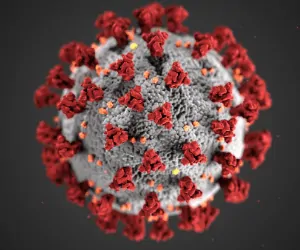
So, what is a virus anyway? We all know what they do to us. But what are they? According to Wikipedia, “A virus is a submicroscopic infectious agent that replicates only inside the living cells of an organism. Viruses infect all types of life forms, from animals and plants to microorganisms, including bacteria and archaea.” They may lay on a table, float in the air, or ride on your vehicle, but they can’t replicate until they have an organic “host”.

Further research on the internet led me to an article that stated that there are already over 50 pharmaceuticals which have been shown in clinical trials to kill viruses. So why are they still an issue? Mutation. Just like bacteria they are clever little critters.

If the neighborhood bully catches up with you every day and takes your lunch money, you start looking for ways to avoid him. Take a different path to school, get a big buddy to walk with you. Carry a big stick. Take a self-defense class. And so on!

Well viruses do that too. If they are constantly wiped out by one drug, they develop an “immunity” to that one and we have to find another one. So, what can we do? Play on its weaknesses. Remember, it needs a host to survive!

  • Find a new drug – we’re hard at that all the time. But it takes time!
  • Know it’s coming and prepare for the season – You can do this by working on strengthening your immune system. There are at least two other blogs here that address ways to do this.
  • Take a two-pronged approach. Look for supplements that set up an environment in your body where viruses cannot thrive, AND look for supplements known to kill viruses in general. I wrote about several of these in our March blog about viruses and bacteria.

In addition to the herbs I mentioned in the March blog, I’ve spoken with a couple of doctors and searched the internet for some other vitamin and mineral supplements that help prepare you to fight viruses in general. And I’m notating the daily dosages recommended by the medical sources that I have found and reported to me by my customers from their doctors. They won’t apply to everyone, so check with your health care provider about your specific needs.

  • Vitamin C – 1,300-3,000mg per day. Most references seemed to think this worked best if the supplement also contained some citrus bioflavonoids.
  • Vitamin D3 – up to about 5,000IU per day.
  • Vitamin E – around 15IU per day. This is a major fat-soluble antioxidant that plays numerous roles in modulating the strength and breadth of your immune system.
  • Zinc – an interesting aside is that my shelf stock the first of this year was 2 bottles because it was normally only taken supplemental to a multivitamin/mineral by a few men. Men generally/normally need about 15mg per day. Now my shelf stock is up to 50 times that amount as customers come in saying their medical doctors are suggesting 50mg per day. We carry several brands and several strengths up to 50mg.

Refer back to the March blog on our website www.thehealthpatch.com under the “resources” tab for the list of some helpful herbal supplements to help manage viruses.

Use sensible precaution. Remember viruses need a host to replicate. Don’t be the host!!! Sanitizers, masks, and managed contact with carriers are all necessary. And a strong immune system is your best defense. Stay healthy.

  • Randy Lee, ND, Owner, The Health Patch – Alternative Health Clinic and Market, 1024 S. Douglas Blvd, Midwest City, 736-1030, e-mail: [email protected] or visit thehealthpatch.com.

Kidney Cleansing

The kidneys are tasked with constantly cleansing all the liquids taken into the body. And my family (and many others that I know personally) have many family members with weak kidneys. Some suffer from genetic weaknesses, some from lack of proper care of their kidneys, and some from the abuse of putting things in their bodies that are damaging to the kidneys. There are many things we can do to strengthen our kidneys and we need to be diligent in doing so or kidney disease, dialysis, or kidney loss are in our futures.

We will talk about how we can promote proper kidney function and health in our next blog, but here I want to discuss this year’s topic – cleansing – and specifically “how to keep the kidneys clean.”

In almost every article I write the subject of water is addressed. Water is essential to virtually EVERY body function. Medical articles I have read say that “66% of the body is water.” So, NO body system functions well without adequate water. Remember my rule of thumb regarding water: our goal should be to drink half our body weight in ounces of water each day, keeping a minimum regardless of your body weight of 64 ounces and normally, a maximum of 100 ounces. More than that may wash out some essential body salts and other essential nutrients. This is a general rule and you should consult a doctor for specific guidelines if your condition warrants it. The body can only assimilate about four ounces per hour, so sipping all day will hydrate you better than guzzling a 16-ounce bottle four times each day.

So, as we address cleansing the kidneys, adequate water is the first order of business. The kidney is removing foreign matter, toxins, and other impurities from the whole body. It does this through a series of around one million nephron filters. We don’t want them to get clogged in the system and begin to make the whole structure toxic, blocked, or developing stones.

Next, don’t hold on to those toxic substances. Use of some light diuretic may need to be a regular part of your dietary program if you know you have weak kidneys. You may be surprised to find that our best two common herbal diuretics are dandelion root and parsley. Fresh dandelion greens make a great addition to spring salads and taste much like arugula, slightly bitter. And common dandelion tea is popular and a roasted version is a popular coffee substitute with no caffeine.

We once had a test in which customers brought in saliva and urine samples to find weak body systems. The developer of that test told herbalists that upwards of 90% of his customers would find their weakest organ to be the kidney because of all the work it had to do. I found that to be true with my customers as well. So, he worked with customers to develop a liquid supplement specifically to drain the kidneys. It consisted of extracts of asparagus, plantain leaves, juniper berries, and the aerial parts of goldenrod. You simply put 20 drops in a bottle of water and sip on two such bottles throughout the day. It works great!

Other popular herbal kidney cleansing formulas contain extracts of rosemary, fennel, nettle root, horseradish, and others. Some products promote proper functioning, stimulate weak kidneys, and are called “activators” and some are simple “cleanses”. They come using both American and Chinese herbal formulas and both seem to work effectively for putting your kidneys back in proper functionality.

Keep your kidneys clean and they will serve you well. Good health and God’s blessings!

For more information, contact Naturopathic Doctor Randy Lee, owner of The Health Patch at 1024 S. Douglas Blvd, Midwest City, at 405-736-1030 or e-mail [email protected] or visit TheHeathPatch.com.