Image

Archive for naturopathic doctor – Page 6

Natural Help for Anxiety and Stress

Some of the most anxiety-producing and stressful events in life are all simultaneously happening in our lives right now; financial problems due to job losses and national economic challenges, the deaths of many loved ones, worry over the family illness and frustration over the inability to care for and comfort them, etc. I certainly don’t have many answers to these struggles. But I would like to highlight some of the numerous ways we can help ourselves and our loved ones endure and persist. Here are some product categories:

Creams and lotions: We all use hand sanitizers now and we have one now that has CBD in it. The CBD will help some with calming. Colloidal Silver comes in cream form as do many of the zinc products. And alcohol-based astringents, lavender, oregano or tea tree-based lotions, and magnesium oils are common.

Drinks: As always, stay away from sugars. They feed pathogens in our systems and give “false energy”. They give you a quick burst of energy followed by a nosedive. Use drinks that hydrate – plenty of water containing known immune system boosters, like elderberry, ginger, vitamin C, electrolyte mixes and honey or JUST water.

Respiration: Sanitize your air with diffused respiratory products; essential oils of ginger, eucalyptus, lavender, or numerous blends offered by a number of reputable companies.

Potpourris: These used to be very popular before the advent of diffusers. But they still have a great place in home care. Their coverage is almost as great as the diffusers, but more subtle and easier on those with depressed respiratory systems. Plus, you can use some beneficial oils that we don’t usually diffuse, like frankincense and myrrh, chamomile, or camphor crystals.

Two other categories lesser known are homeopathy and flower essences. For lack of space, I’ll only mention them here, but you can look them up on the internet, or drop by the store and talk to us about them.

Remember, stress is mostly managed by your adrenal glands – little “snow cap peaks’ that sit on top of the kidneys — that allow the body to regulate stress. They produce some 50+ hormones, the body’s internal messengers, which signal other organs and body systems to react appropriately. So, I would be remiss not to recommend herbal supplements to help you care for both anxiety and stress. Here’s a paragraph from a previous blog:

“While there are many ways (and in many forms) to obtain the needed nutrients useful to reduce stress, one should consider taking a nutraceutical. Wikipedia defines a nutraceutical as “a pharmaceutical-grade and standardized nutrient.” The adrenals feed on B-vitamins, among other nutrients, such as vitamin C, folic acid, biotin, gamma amino butyric acid (GABA) and pantothenic acid. Other de-stressors are herbs like schizandra, passionflower, hops, chamomile, and valerian, and popular anti-stress minerals include magnesium and zinc. L-theanine is also a helpful amino acid for stress’s “partner” – anxiety.”

In-house herbal combinations are numerous, by many companies, and bear names like “AnxiousLess” and “Stress Relief”, “Nutri-Calm” and “Nervous Fatigue”. “AdaptaMax” is advertised to contain apoptogenic herbs to help your body adapt to physical and environmental stresses.

These are stressful times. We can’t take away the conditions or “cure” your reactions. But there are numerous avenues to help you cope better. May God bless and comfort you in this season of stress and anxiety.

Randy Lee, ND, Owner, The Health Patch – Alternative Health Clinic & Market, 1024 S. Douglas Blvd, Midwest City, 736-1030, e-mail: [email protected], offering private consultations by appointment.

A Year of Celebration and Health: April

Overview:
Awareness: Alcohol, Autism, Child Abuse, Donate Life, National STD, Parkinson’s, Stress, World Health
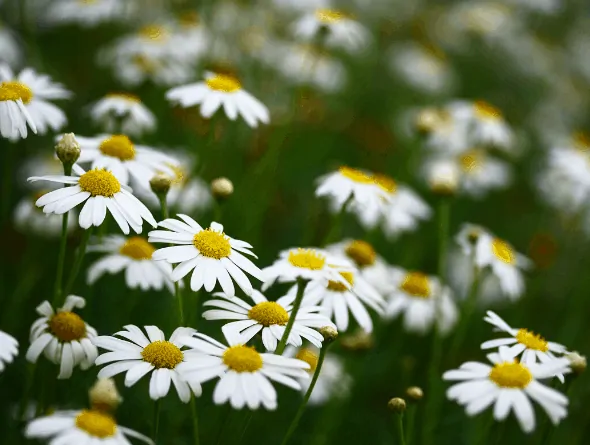
Flower: Daisy
Gemstone: Diamond
Trees: Rowan, Maple, Walnut

Fool’s Day:
I am using this day to highlight two areas of healing that often ‘tricks’ one into thinking that they are either getting worse or better: the healing crisis and emotional trauma healing. The healing crisis, formally known as the herxheimer reaction, is characterized by a temporary increase in discomfort during the body’s process of detoxification. It occurs when internal toxins and wastes are being released faster than the body can eliminate them. A general rule of thumb for a healing crisis is the more dietary, medical and/or environmental toxins that one has accumulated over time, the more severe the effects of the detoxification during a cleanse or natural healing program.

The herxheimer reaction is an indication that the process of cleansing and detoxification is working and that the body is cleaning itself of impurities, toxins and other wastes. The reactions are temporary, but, depending on the levels of toxicity, they may occur immediately, within several days, or even several weeks later. Some people feel flu like complaints during the first few days of the cleanse because the body is dumping toxins into the blood stream for elimination. The ill-affects usually pass within 1-3 days. On rare occasions, they may last several weeks. Sometimes, the discomfort during the healing crisis is of greater intensity than before starting a cleanse.

Another crisis may come after you begin feeling your very best. There may be many small crises to go through before the final crisis is experienced. The healing crisis may bring about experiences of past conditions. While people often forget past diseases or injuries, they may be reminded during the healing crisis. On a positive note many people experience little or no discomfort at all.

When one decides it is time to heal from emotional traumas it is easy to fall into a false sense of healing. This usually occurs in the beginning of the journey. Once one opens up and starts to talk or write about the trauma event/s there is a sense of ‘I am better. I am healed.’ These feelings often stem from the fact that one is finally releasing the surface facts of the trauma. But, just doing these steps rarely deal with the core trauma issues. In reality one’s healing never ends as the triggers never fully go away. The more one continues to work on healing from the negative effects of trauma, the more positive one’s thoughts, dreams, and actions will be. Emotional healing is truly about changing one’s way of thinking and dealing with painful memories and future traumas. Do not rush the healing–it takes time, but it gets easier as one heals.

Easter:
Spring finds us entering an important Christian season. Some of the common symbols of Easter can also aid in keeping one healthy. They include: fish, lambs, rabbits, doves, lilies, date palms, and eggs. Fish contains protein, omega-3, vitamin D, vitamin B2, calcium, phosphorus, iron, zinc, iodine, magnesium, and potassium. In moderation, lamb is an excellent source of protein and vital nutrients like omega-3, iron, zinc, selenium, phosphorus, and B vitamins. Rabbit is a low-calorie white meat that is rich in protein, iron, and phosphorus. Although dove is high in cholesterol, it is also a good source of protein, B vitamins, iron, phosphorus, zinc, copper, and selenium.

The bulb of the Easter lily (Lilium longiflorum) is antiasthmatic, antitussive, expectorant, and a sedative tonic. It helps with coughs, haemoptysis, insomnia, and fidgetiness in the later stages of febrile disease. The flower aids in healing cysts in the breast, ovaries, and skin. It also can aid in infertility where the mucus is too thick to allow an egg to enter the fallopian tubes. And, it can help with chronic bronchitis where there is a lingering thick, dried mucus. The flowers as a flower essence remedy can aid in grief, sadness, depression, and inability to let something go.

The fruit of the date palm can be beneficial with sore throats, colds, bronchial catarrh, fever, gonorrhea, and edema. When they are ground and made into a paste they can aid in healing ague. Date oil is useful in aging skin, male infertility, inflammation, sores in the mouth, and breathing problems.

Eggs are rich in muscle building protein. Omega-3 oils aid in the moisturizing of one’s skin, circulatory system, brain, eyes, and lining of the intestines. The lutein and zeaxanthin also aid in eye health. And, l-lysine aids in controlling the herpes virus.

Another favorite way to celebrate the holiday is hunting for colorfully dyed eggs. One can make their own dye natural sources. These include food, flowers, weeds, bark, moss, leaves, seeds, mushrooms, lichens, and even minerals. When gathering plant material for dyeing blossoms should be in full bloom, berries ripe and nuts mature. Never gather more than 2/3 of a stand of anything in the wild when gathering plant stuff for dyeing. (See recipes)

Ramadan:
The traditional healing system of the ancient Levant is called Unani. Arab and Persian elaborations upon the Greek system of medicine influenced the early development of Unani. The medical tradition of medieval Islam was introduced to India by the 13th century with the establishment of the Delhi Sultanate and it took its own course of development during the Mughal Empire. The Hellenistic origin of Unani medicine is based on four humours: phlegm (balgham), blood (dam), yellow bile (ṣafrā) and black bile (saudā’), but it has also been influenced by Indian and Chinese traditional systems. According to Unani medicine, management of any disease depends upon the diagnosis of disease. Proper diagnosis depends upon observation of the patient’s symptoms and temperament. Unani is based on the theory of the presence of the elements in the human body. According to followers of Unani medicine, these elements are present in fluids and their balance leads to health and their imbalance leads to illness.
According to Unani practitioners, the failure of the body’s ability to maintain its own health, may lead to derangement of the normal equilibrium of the body’s akhlat (humors). Abnormal humors are believed to lead to pathological changes in the tissues at the affected site, creating the clinical manifestations of illness. The theory postulates the presence of blood, phlegm, yellow bile and black bile in the human body. Each person’s unique mixture of these substances determines his mizaj (temperament). A predominance of blood gives a sanguine temperament; a predominance of phlegm makes one phlegmatic; yellow bile, bilious (or choleric); and black bile, melancholic. After diagnosing the disease, treatment follows a pattern (Usool-e-ilaj): Izalae Sabab (elimination of cause), Tadeele Akhlat (normalization of humors), Tadeele Aza (normalization of tissues/organs). Treatment includes regimens and therapies included in the term Ilaj-Bil-Tadbeer. These therapies include cupping, aromatherapy, bloodletting, bathing, exercise, and dalak (massaging the body). It may also involve the prescription of Unani drugs or surgery.

A key component of Ramadan is fasting during the daylight hours. It was suggested that this type of fasting could be a recommendation for the treatment of mild to moderate diseases such as non-insulin dependent diabetes, essential hypertension, weight management, and for rest of the digestive tract includes lowering blood sugar levels, lowering of cholesterol and lowering of the lipids profile. During fasting hours when no food or drink is consumed, the body uses its stores of carbohydrate (stored in the liver and muscles) and fat to provide energy once all the calories from the foods consumed during the night have been used up.

Earth Day:
Earth Day is an annual event celebrated around the world to demonstrate support for environmental protection. Although traditionally considered a way to bring attention to modern air, land, and water pollution, it has expanded to supporting everything ‘green’. There are a few things everyone can do within their outdoor space to help the environment.

Diatomaceous earth is made from the fossilized remains of tiny, aquatic organisms called diatoms. Their skeletons are made of a natural substance called silica. It is not poisonous; it does not have to be eaten in order to be effective. It causes insects to dry out and die by absorbing the oils and fats from the cuticle of the insect’s exoskeleton. Its sharp edges are abrasive, speeding up the process. It remains effective as long as it is kept dry and undisturbed. Diatomaceous earth seems to not harm earthworms nor beneficial soil microorganisms. This makes it a safe pesticide for use inside and outside one’s home. It’s also useful as a pest control for one’s animals.
Traditional farming, regrowing vegetables from scrap, composting, small container gardening, and straw bale gardens are all relatively easy to do.

Collecting rain water can help clean the soil of salt buildup and enhance root developments in plants. By not raking leaves in the fall they can break down over the winter and aid in rebuilding the soil. All these methods not only save money, but also aids in the mending of the environment.

And, lastly, let’s not forget what we can do for the pollinators. These include bees, butterflies, hummingbirds, and even bats-to name a few. Without these friendly beings plants will not only stop producing food, but also the plants themselves will become extinct. This will cause the air not to be replenished of its oxygen. One can start helping by planting more flowering plants, not mowing a patch of weeds, and encouraging the growth of mushrooms–water collected on them seep out the healing benefits of the mushrooms which the pollinators enjoy drinking.

Arbor Day:
Trees provide us with sap, leaves, blossoms, bark, berries, and nuts—most of which have medicinal properties that cannot be found anywhere else in nature. The wood is boiled for extended periods or added to hot baths for topical use. Medicinal trees can be infused into teas, tinctures, oils and made into salves and poultices.

For the most part, careful leaf and twig harvesting isn’t a big deal. So long as your conscientious and don’t take more than a small percentage of the total tree. Bark is a different matter. Anytime you cut into the bark of a tree, you’re opening up the trunk of the tree to insects, disease and decay. If you cut around the full circumference of the tree, a practice known as girdling, the supply of nutrients is completely cut off, and the tree will die. It takes a healthy tree a full year to heal that small wound, so bear that in mind anytime you’re breaking into bark. Some trees, like beech trees, can’t heal bark wounds. If you’re harvesting 1/3 of the bark, you’re pushing the limits of that tree’s survival and crippling it for the rest of its life.

According to the Herbal Academy’s Botany and Wild-crafting Course, “As a rule, never harvest from the trunk of a living tree. Only harvest bark from a tree that has been recently cut down for some other reason or has recently fallen over on its own. The timing here can be tricky, as you only want to harvest from recently fallen trees (within a few weeks of falling or being cut down) and not those that have begun to rot and decay. Never, absolutely never, cut a tree down simply just to harvest its bark or its root bark. This is not only unethical, but unsustainable, and is the reason why so many tree species used in herbalism, such as slippery elm (Ulmus rubra), are currently at risk from over-harvesting.”

Recipes:

Fabric Dye: To make the dye solution: Chop plant material into small pieces and place in a pot. Double the amount of water to plant material. Bring to a boil, then simmer for about an hour. Strain. Now you can add your fabric to be dyed. For a stronger shade, allow material to soak in the dye overnight. Getting the fabric ready for the dye bath: You will have to soak the fabric in a color fixative before the dye process. This will make the color set in the fabric. {Color Fixatives (Mordant): Salt Fixative (for berry dyes) 1/2 cup salt to 8 cups cold water; Plant Fixatives (for plant dyes) 4 parts cold water to 1-part vinegar; Other Mordant: Cream of tartar, iron, tin, alum or chrome.} Add fabric to the fixative and simmer for an hour. Rinse the material and squeeze out excess. Rinse in cool water until water runs clear.
Dye Bath: Place wet fabric in dye bath. Simmer together until desired color is obtained. The color of the fabric will be lighter when its dry.
Note: It’s best to use an old large pot as your dye vessel. Wear rubber gloves to handle the fabric that has been dyed, the dye can stain your hands. It’s also important to note, some plant dyes may be toxic, check with the Poison Control Center if unsure. Muslin, silk, cotton and wool work best for natural dyes and the lighter the fabric in color, the better. White or pastel colors work the best. All dyed fabric should be laundered in cold water and separately.

Easter Egg Dye: Toss one’s choice of a handful – or two or three – of one of the ingredients listed below into a saucepan. Use your own judgment about quantity. This is an art – not a science! Add about a cup of water for each handful of the chosen ingredient, so the water comes at least an inch above the dye materials. Bring mixture to boiling, reduce the heat and simmer from 15 minutes up to an hour, until the color is the shade one want. Keep in mind that the eggs will dye a lighter shade. Remove the pan from the heat. Through cheesecloth or a fine sieve, strain the dye mixture into a small bowl that’s deep enough to completely cover the eggs you want to dye. Add 2 to 3 teaspoons of white vinegar for each cup of dye liquid. With a spoon or wire egg holder, lower the eggs into the hot liquid. Let the eggs stand until they reach the desired color. For emptied eggshells, stir or rotate for even coloring. With a slotted spoon or wire egg holder, remove the eggs to a rack or drainer. Allow the eggs to dry thoroughly. Refrigerate hard-boiled eggs that you intend to eat within two hours, and always follow tips for egg safety. Naturally dyed eggs require longer soak time in the dye solution for the color to take hold (overnight will give the best, most saturated color).
Note: Pinkish Red=raspberry, cranberry, radish, fresh beets; Orange/Yellow=yellow onion skins, turmeric powder, citrus peels, cumin, carrot tops, celery seed; Pale Green=spinach; Green Gold=yellow delicious apple peels; blue=blueberry, red cabbage; Beige/Brown=strong brewed coffee, dill seeds, chili powder; Purple=red grape juice, beet juice.

Fish Cakes (1881): Cold boiled codfish, either fresh or salt, remove the bones and mince the meat; take two-thirds as much warm mashed potatoes as fish, add a little butter and sufficient beaten eggs or milk to make the whole into a smooth paste, season with pepper, make into cakes about an inch thick; sprinkle them with flour and fry brown in butter.

Carp-Pye (1600’s): After you have drawn, washed, and scalded a fair large Carp, season it with Pepper, Salt, and Nutmeg, and then put it into a Coffin (crust), with good store of sweet Butter, and then cast on Raisins of the Sun, the juice of Lemons, and some slices of Orange-peels, and then sprinkling on a little Vinegar, close it up, and bake it.

Mansaf (family recipe): Servings: 4 people
Ingredients: 4 pieces of lamb, 1 medium chopped onion, 350 grams of jameed (dry yogurt) soaked it in warm water the day before OR 500 grams of labaneh or plain Greek style yogurt, 400 grams of small grain rice, ghee (clarified butter), 3 bay leaves, 5 full cardamoms, ½ tea spoon of cumin powder, a small pinch of saffron, ½ cup of whole blanched almonds, ½ cup of pine nuts, 4 loaves pitta bread (khubz), salt and pepper
Directions: Heat 2 tablespoons of ghee in a heavy skillet over medium-high heat. Place the lamb into the skillet, add the chopped onion and cook for about 5-10 minutes until brown. Add the bay leaves, cardamom, cumin, 1 tablespoon of salt and 1 ½ teaspoons of black grounded pepper. Cover it with boiling water and let it simmer for 1 ½ hours.
While the lamb is cooking, place the jameed and half the water that it has been soaked in (or the yogurt substitute) into a food blender. Add ¼ of cup of cold water and blend until it’s smooth, then slowly add it to the lamb while it’s cooking and keep stirring. This is very important to keep the consistency of the sauce thick and smooth. You can stop stirring when the whole mix starts bubbling. Cover it and let it simmer for another 10 minutes. Next, wash the rice and soak it for 10 minutes in warm water. Soak the saffron in a little bit of water for as long as possible until the water turns a yellow-orange color. Place the rice into a pot and cook for the time suggested on the packet. Remove the saffron and add the water that it has been soaked in, along with 2 tablespoons of ghee, salt and pepper. In a small skillet, melt 2 tablespoons of ghee. Add almonds and cook for 5 minutes. Stir in pine nuts and cook for a further 3 minutes. Remove from the heat and set aside. Split the khubz loaves open and arrange, overlapping on a large serving tray. Add ½ cup of the yogurt sauce to the khubz to soften. Arrange the rice over the khubz leaving a hole in the centre of the rice. Spoon the meat into the rice and then spoon the ghee and nuts over the meat. Sprinkle with fresh parsley. Pour the sauce into a big serving bowl. Add sauce onto the rice and the meat. Serve hot.

Bee Food: *Candy Board–5 lbs dry sugar, 3/4 c. water, 2 tsp. essential oil (lemongrass, spearmint) and amino acids mixture, 2 tsp. vinegar Directions: Mix all ingredients, the consistency will be similar to pie crust dough. Spread in two 8″ x 8″ rectangular pans. Bake at 200 for 1 1/2 to 2 hours until top is crusty, middle will be jiggly. After cooling the candy board will harden. The only reason to bake this is if you want it to be a solid brick otherwise you can place it on top of wax paper within your hive. Great source for food supplement for your honey bees through winter.
*Sugar Syrup–Late Winter/Early Spring Feeding – use a 1:1 syrup ratio using 1 pound of water (2 cups) to 1 pound of sugar. Fall Feeding (if not enough honey was left on the hive after the honey flow), make a 2:1 syrup using 2 pounds of sugar per pound of water. Directions: Completely dissolve the sugar in the water by heating the water on a stove top (don’t boil just get it warm enough for the sugar to dissolve), add the sugar and stir until the liquid becomes clear. Remove from heat and cool before feeding it to your bees. May add mushroom mycelium extract of the Reishi and Amadou mushrooms to the bees’ sugar water at 1 percent concentration.
*Dry Pollen Substitute–3 parts soy flour, 1 part brewer’s yeast, 1 part dry milk (instant or non-instant baker’s milk) 1 teaspoon vitamin C (for every 6 cups of mixture). It is best to measure these ingredients by weight instead of volume. For example, if you use three pounds of soy, use one pound of yeast and one pound of dry milk. Directions: Put the first three ingredients in a bowl. Take some vitamin C tablets and crush into a powder. Add one teaspoon of crushed vitamin C for every six cups of mix. Thoroughly combine the ingredients. In the winter, the dry mix can sprinkled on the top bars or put in a feeder above the brood box. In the early spring, the mix can be placed in a bird feeder or other covered container near the hive.

Black Cherry Cough Drops: 1 teaspoon butter (divided), 1 cup black cherry bark, powdered, ½ cup elderberries, dried, 3 cups of filtered water, 1 cup honey
Equipment: 2 silicone candy molds rated for high temperatures (Try a mold that holds 1 teaspoon (5 ml) of candy per mold), candy thermometer.
Directions: Prepare silicone candy molds by buttering the inside of the mold. Set aside. In a 1 ½ quart saucepan place cherry bark, elderberries, and filtered water. Cover the sauce pan. Simmer over low heat for 30 minutes. Shut off the heat and allow the pan to come to room temperature naturally. Strain the herbs out of the concoction. Return the liquid to a saucepan. Simmer over low heat until the liquid is reduced to 2 cups. Stir in honey. Cover the saucepan. Bring the pan to a boil. Remove lid. Add ½ teaspoon butter to the syrup to decrease foaming. Boil over medium heat, without stirring, until the liquid reaches 300°F on a candy thermometer or the hard crack stage for your elevation. Remove from the heat. Use a ladle to ladle the candy into the prepared molds. Allow the molds to cool naturally. This could take an hour or two. Remove the cough drops from the mold. Wrap individually with parchment paper and tape. Place in a glass jar and cap tightly. Store in a cool, dry place, protected from light and heat.
Note: Cherry cough drops should last for 2 years. Cherry bark should only be used for 10 to 14 days. There is a risk of toxicity with long term use due to the cyanide alkaloids present in cherry bark and seeds. This is the almond flavor.
Contraindications: Pregnant and nursing mothers should not use cherry bark without consulting with their doctor. Cough drops are a choking hazard for young children, so avoid the choking hazard by making these candies into suckers. For children 1 years of age and over only

Almond Milk: Makes 6 cups. Soaking Stage: 1 cup raw almonds, 2 cups pure water for soaking
Method Stage: 6 cups pure water, 1/4 cup raw honey or a few dates (optional, for sweetening) Directions: Soak the almonds in 2 cups of filtered water overnight, up to 24 hours (or longer if the temperature is not too warm). They do not need to be skinned. After the soaking time, drain and rinse the almonds. Proceed with your chosen processing method below. Place nuts and 6 cups of fresh water into blender container. Blend on high speed until smooth. Pour contents of blender container through the fine mesh filter into a storage container, such as a ½ gallon mason jar. If sweetening, pour 2 cups of the milk into the blender container and add desired sweetener. Blend well and add back to storage container. Mix well. Store milk in refrigerator.

Sugared Almonds (16th century): 1 pound almonds, blanched and peeled, 2 cups sugar, 1 cup water, 1 Tbsp. rose
water, dash cinnamon
Directions: Mix sugar and water in a saucepan and bring to a gentle boil. Simmer until the syrup reaches 225°F, then add the rose water and set heat to low. Then put the almonds into a large pan over low heat. Add the syrup to the almonds a couple of tablespoons at a time, stirring them constantly and allowing them to dry out before adding more. As things progress then shaking the pan may work better than stirring it. When the almonds are completely coated sprinkle with cinnamon and allow to cool.

—-Mitákuye Oyás’iŋ—-
Jolene Grffiths, Master Herbalist

*These statements have not been evaluated by the Food and Drug Administration. This information is intended for
educational purposes only. It is not intended to diagnose, treat, cure, or prevent any disease.

Extra Help for Your Immune System

More so than at other time in recent history we are concerned with our immune systems. So, I thought I’d take a bit of time to discuss some extra things that we can do that are more “outside the box” than most of the things we usually discuss. Remember that I’m a Naturopathic Doctor, so I don’t talk about treating or curing diseases, but, from a purely educational perspective, here are some body system ideas that we consider when we are trying to get people to think of things they can do to get their body systems operating with more efficiency. So here are a few things to consider.

Foods:

  • Spicy foods add pathogen-destructive and immune-stimulating nutrients. Many spices like clove, ginger, onions, horseradish, peppers and garlic are common helpful ones.
  • Nutrient rich fruits and vegetables of varied colors provide just as varied nutrients. Your body needs all the nutrients to fuel its functions.
  • There are a number of mushrooms that boost your immune system. Many farmers markets are now selling these “medicinal” mushrooms. Consider Agarikon, which is reported to have similar benefits to olive leaf and Echinacea, known immune system supporters. Cordyceps is used primarily for energy support, but is also praised for its lung support effects. Combinations of Cordyceps, Reishi and Chaga are touted for their ingredients to help you breathe better. And one company I know of processes flavored, blended mushroom extracts and mushroom combinations that are meant to support your immune system.

Remedies your grandma used:

  • Hot toddies. I’ve never been a drinker. But whenever we “caught” something as kids, my folks made their annual trips to the liquor store for whiskey! A Hot Toddy was made from three ingredients; drinkable alcohol (in our family it was whiskey), lemon juice (a citric acid that alkalizes your body), and raw honey (the perfect bee food that is nutrient rich in enzymes that break down foods (pathogens?) in your stomach. It’s interesting to me that we are all trying to make hand sanitizers because the news media have told us that the alcohol will kill pathogens.
  • Brush your teeth with salt and baking soda. I always thought it was because we couldn’t afford toothpaste; perhaps it was. But we now know that salt is a preservative that was used to move meat across the prairies because it caused it to remain unspoiled by pathogens that inhabited the environment. And nothing lives in the Dead Sea, a natural source of salt and other minerals. And baking soda is an alkalizing element, and my training has taught me that no pathogen can live in an alkaline environment. So, we put it in our refrigerators to get rid of decaying smells, and in our stomachs for easing an upset. My dad used it as his “go to” for digestive upset.
  • Any time we were sick, especially if we had hampered breathing, mom (and grandma) pulled out the vaporizer and filled it with VapoRub! Now we know the pathogen-killing and breath-restoring powers of many of our essential oils in a modern diffuser. We have blends with essential oils of clove, lemon, cinnamon, eucalyptus, rosemary, tea tree, neem, and others to ward off pathogens, and chamomile and lavender to help us sleep.
  • Chest rubs. Arnica, eucalyptus, tea tree, neem and others in plain ole Vaseline was what they used. Many of our commercial products vary slightly, but are just as effective.
  • And don’t forget the annual cleansing of castor oil. It either made me throw up or run for the bathroom. Either way it did a number on cleaning me out. I’d check with my doctor before I did that again, but many a kid has endured it with what ended up to be positive results!

Many of the old remedies have modern counterparts. The new ones often seem more humane to me, but I note that I lived to tell the tales and I seem to be healthy as I do!

Your immune system is the battlefront for us in these trying times of “dis- ease”. Keeping yours strong doesn’t just happen. It takes planning, work, caution and often the help of others. Don’t let it get neglected in the rush of life.

Randy Lee, ND, Owner, The Health Patch – Alternative Health Clinic and Market, 1024 S. Douglas Blvd, Midwest City, 736-1030, e-mail: [email protected] or visit http://thehealthpatch.com.

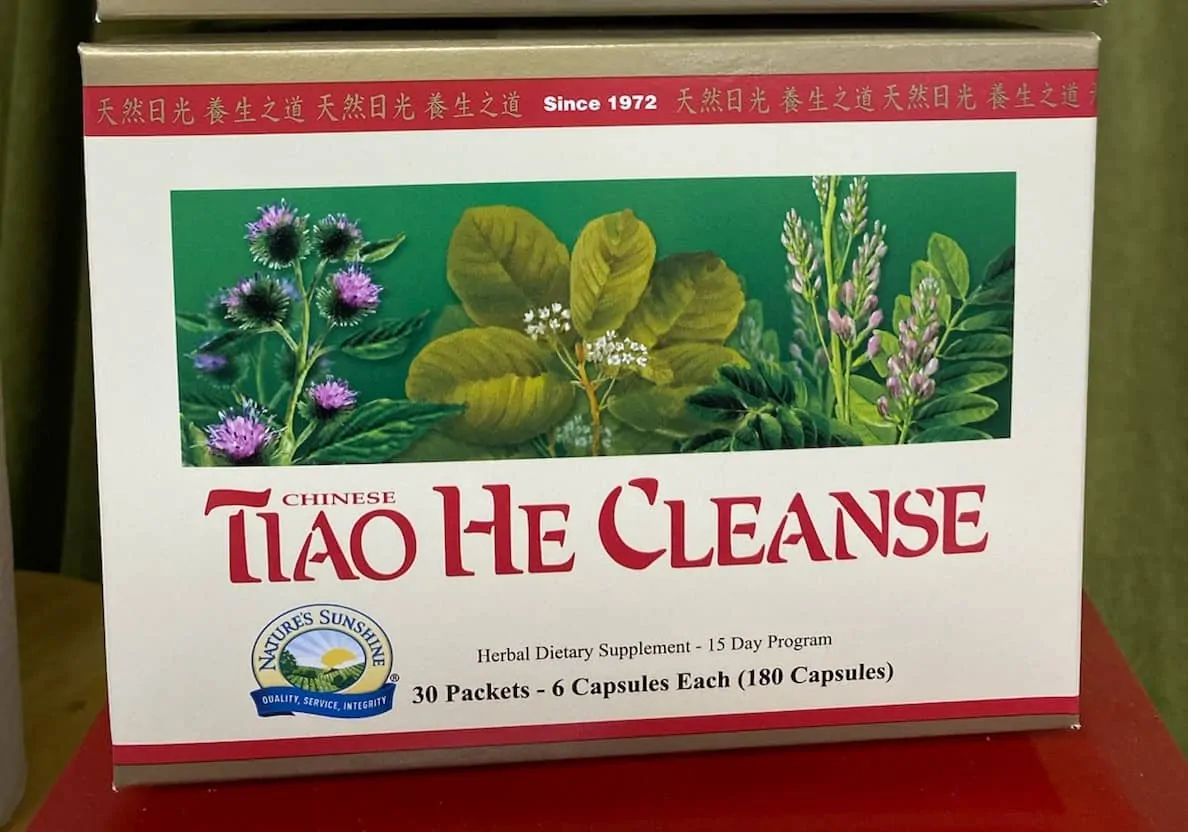
A “Whole Body” Cleanse

Most of my family and my customers know that I have an annual approach to cleansing. Every month of the year I have some particular part of the body or some body system that I work to “cleanse”. But twice each year I use products – a different one each time – that are designed to be “Total Body” cleanses.

Obviously, such a “total body” approach isn’t going to do as deep a cleanse on any one body system as a focused product on a particular system will, but it serves a purpose. I use the individual system cleanses that I do each month to “deep clean” body areas that need the regular (annual) focus, but manage relatively well with routine maintenance the rest of the year.

So, the “whole body” approach is used a couple of time a year to clean those systems that are “collection points” for the routine depositing of the debris of the heavier, annual cleansing of the individual systems.

One example is the colon. This body system is the final accumulation point of most everything that is processed out of the body (with some obvious exceptions, like stuff that is eliminated through the skin or the respiratory system). But it processes most of the body’s waste and needs more than just the annual heavy cleansing that I referenced every January! So, two other months during the year, the “total body” cleanse will have ingredients/herbals/cleansers that will do on-going sweeping (brooms; insoluble fibers) and scrubbing (sponges; soluble fibers) of the colon specifically. This routine cleansing coupled with the deep cleaning in January keeps the colon operating at peak efficiency all year long.

Other such routine maintenance is allowed by other overworked body systems such as the little individual cells, various individual organs, the blood stream, the digestive system, and some very common parasites. We have a number of these types of “overall” body cleansing systems that we can use. They generally consist of small packets of capsules that are taken once or twice a day for anywhere from a week to half a month. They don’t “tie you to the bathroom” or cause any cramping. They may stimulate an extra bowel movement some days, and should always be taken with plenty of water.

Such routine care of your elimination systems facilitates the proper functioning of all your other body systems! Consider making it a part of your routine body cleansing regimen!

  • For more information, contact Naturopathic Doctor Randy Lee, owner of The Health Patch at 1024 S. Douglas Blvd, Midwest City, OK 73130, call 405-736-1030, e-mail [email protected], or visit TheHeathPatch.com.

Fighting Pathogens

We are currently in the middle of a rare and dreadful pandemic. Anytime I want to talk about things we can do to protect ourselves from these scary times, I begin by reminding my friends, family members and customers that I am a Naturopathic Doctor, not a Medical Doctor. As such we discuss body systems and do not seek to diagnose, cure or treat any named diseases. So, I am not trying to tell you how to prevent or “cure” any diseases – current pandemics, or even common diseases. Your body has a system to help you stay healthy, even in times of environmental stress. It is the immune system, and I simply want to help you understand some things that you can do to keep your immune system strong and active so that it will be better able to protect you in such times.

In a blog we did several years ago, I stated that “your immune system is made up of many body parts with big names like bone marrow, tonsils, spleen, thymus, and a subsystem called the lymphatic system with its many lymph “nodes” (collection points).” You can look back on our website at the blog entitled “A Child’s View of the Immune System” to get those details.

The bottom line is that the body has a system to protect you from the adverse effects of all kinds of pathogens. Let’s define “pathogen”. Directly from the web, I found this definition: “In biology, a pathogen, in the oldest and broadest sense, is anything that can produce disease. A pathogen may also be referred to as an infectious agent, or simply a germ”. We often refer to some common pathogens as bacteria, viruses, yeasts, fungi, poisons, parasites, …, anything not natural to the body which could result in disease if not killed, eliminated, or simply passed on.

So, it stands to reason that the stronger and healthier our immune systems are, the better they will perform these functions. The next logical question then is “how do I keep my immune system strong?” I have a few ideas.

  • Dr. Joel Wallach, the Father of modern supplementation for humans, made a list several years ago of some 90+ nutrients that your body needs every day to perform all of its required functions. I did a blog several years ago on his complete lecture, but for purposes here I’ll just reiterate that he said “if you die before the age of 120, you’ll either die of an accident or a nutritional deficiency.” Therefore, it makes sense that a great place to start is to ensure you’re getting as many of these nutrients each day as possible. An absolute minimum would be a good quality vitamin and mineral supplement!
  • Just as your house collects clutter and needs regular cleaning, so does your body. Normal, less-than-perfect lifestyles necessitate regular body cleansing. Such a regimen is essential to good health. Next week, I’ll talk about a “whole body” cleanse that I like and personally use twice a year. Again, a great place to start.
  • Exercise regularly. Several body systems need movement to perform their functions. I recently read a medical article that declared that “a sedentary lifestyle is the new cancer.” It referred to the increase in disease which can be attributed to our just “doing nothing.”
  • Learn your genetics. You may need to be taking supplements to counteract family genetic weaknesses. I take a number of things for my heart because most of my family have died of heart failure. My cardiologist told me this has already once saved my life!
  • I don’t know who introduced the statement “cleanliness is next to Godliness”, but I understand the thought behind it. Clean lifestyles are also necessary. We live in a dirty, polluted world. We overtax our body’s immune systems by not taking better care of ourselves. Bathing, brushing your teeth, washing your hands regularly, and other common hygiene habits are necessary. Look at the differences in health conditions and life expectancy figures between our country and many countries where even simple water sources aren’t available.

There are many herbs, teas, supplements and essential oils to assist your body in putting up a good fight against those pathogens that would make you ill. But daily attention to our overall health and good health habits, including good nutrition, plenty of rest and exercise, and adjustments of unhealthy lifestyles and habits, will often “win the day”. Work at staying healthy and you won’t have to work so hard to get well.

Give your body a “fighting chance”. Give it the tools to strengthen your immune system, so it can fight the common pathogens in our own environments and keep us healthy.

Randy Lee, ND, Owner, The Health Patch – Alternative Health Clinic and Market, 1024 S. Douglas Blvd, MWC, 736-1030, e-mail: [email protected] or visit thehealthpatch.com.

March

Overview:
Awareness: Cardiac Rehabilitation, Colorectal Cancer, Deep-Vein Thrombosis (DVT), Hemophilia, Multiple Sclerosis, National Caffeine, National Nutrition, Pollution, Pulmonary Rehabilitation
Flower: Daffodil
Gemstone: Aquamarine
Trees: Weeping Willow, Lime, Oak, Hazelnut

St. Patrick’s Day:
The trifoliolate plant, the shamrock, is a young sprig, used as a symbol of Ireland. Saint Patrick, Ireland’s patron saint, is said to have used it as a metaphor for the Christian Holy Trinity.  There is, however, no one “true” species of shamrock, but Trifolium dubium (lesser clover) is considered to be the shamrock by roughly half of Irish people, and Trifolium repens (white clover) by another third, with the remaining fifth split between Trifolium pratense (red clover), Medicago lupulina (black medick), Oxalis acetosella (wood sorrel), and various other species of Trifolium and Oxalis.

There are many uses for red clover.  Some include: a cancer prevention, indigestion, high cholesterol, whooping cough, cough, asthma, bronchitis, and sexually transmitted diseases (STDs).  Some women use red clover for symptoms of menopause such as hot flashes; for breast pain or tenderness (mastalgia); heavy bleeding, toning the womb, and for premenstrual syndrome (PMS).  It is applied to the skin for skin cancer, skin sores, burns, and chronic skin diseases including eczema and psoriasis.  In foods and beverages, the solid extract of red clover is used as a flavoring ingredient.

Common food traditions for this holiday has many health benefits.  Corned Beef is high in protein, zinc, thiamin and other B-vitamins.   A 3-oz. serving of corned beef has 210 calories. Like any beef, it’s high in fat.  The typical 6-ounce portion of corned beef will consume two-thirds of the recommended daily limit of sodium.  Aim to fill at least half your plate with vegetables too and those potassium-rich veggies will help balance some effects of the sodium, particularly if you have high blood pressure.

Cabbage is an excellent source of vitamin C, beta-carotene, calcium, magnesium, potassium and l-glutamine. Furthermore, it contains folate, zinc, sulphur, sodium, copper, anthocyanins, vitamin K, and omega-3 fatty acids.  It’s also high in fiber.  It is particularly high in antioxidants which make it a potent disease-fighter.  Research has shown 1½ cups per day of cruciferous vegetables, like cabbage, may reduce inflammation.  The health benefits of cabbage include frequent use as a treatment for constipation, stomach ulcers, headaches, obesity, muscle soreness, skin disorders, eczema, skin discoloration, wrinkles, age spots,  jaundice, scurvy, rheumatism, arthritis, gout, osteoporosis, allergies, eye disorders, heart diseases, aging, neural degeneration, dementia, and Alzheimer’s disease.  It is also rich in anti-cancer compounds such as sinigrin, lupeol and sulforaphane that enhances the enzyme activity and forbid the tumor growth that lead to cancer.  Lactic acid is released from cabbage during cooking.

Potatoes sometimes get a bad rap for being high in carbs, but potatoes are a complex carbohydrate perfect for those who are active.  They contain some protein and calcium, along with iron, potassium, zinc and vitamin C. A small (2-1/2 inch) unpeeled boiled potato is also good source of fiber, offering 35% more than its skinless counterpart.

Whole grains offer a “complete package” of health benefits, unlike refined grains, which are stripped of valuable nutrients in the refining process.  All whole grain kernels contain three parts: the bran, germ, and endosperm. Each section houses health-promoting nutrients. The bran is the fiber-rich outer layer that supplies B vitamins, iron, copper, zinc, magnesium, antioxidants, and phytochemicals. The germ is the core of the seed where growth occurs; it is rich in healthy fats, vitamin E, B vitamins, phytochemicals, and antioxidants. The endosperm is the interior layer that holds carbohydrates, protein, and small amounts of some B vitamins and minerals.

These components have various effects on our bodies:  Bran and fiber slow the breakdown of starch into glucose—thus maintaining a steady blood sugar rather than causing sharp spikes.  Fiber helps lower cholesterol as well as move waste through the digestive tract.  Fiber may also help prevent the formation of small blood clots that can trigger heart attacks or strokes.  Phytochemicals and essential minerals such as magnesium, selenium and copper found in whole grains may protect against some cancers.

Researchers have shown that the quality of the carbohydrates you eat is at least as important as the quantity.  A report from the Iowa Women’s Health Study linked whole grain consumption with fewer deaths from inflammatory and infectious causes, excluding cardiac and cancer causes. Examples of other ailments that are prevented by consuming whole grains are rheumatoid arthritis, gout, asthma, ulcerative colitis, Crohn’s disease, and neurodegenerative diseases.  Eating whole instead of refined grains substantially lowers total cholesterol, low-density lipoprotein (LDL, or bad) cholesterol, triglycerides, and insulin levels.  Replacing refined grains with whole grains and eating at least 2 servings of whole grains daily may help to reduce type 2 diabetes risk. The fiber, nutrients, and phytochemicals in whole grains may improve insulin sensitivity and glucose metabolism and slow the absorption of food, preventing blood sugar spikes.  By keeping the stool soft and bulky, the fiber in whole grains helps prevent constipation. It also helps prevent diverticular disease (diverticulosis) by decreasing pressure in the intestines.

Guinness is a dark Irish beer that has been found — when consumed in moderation — to reduce the risk of blood clots that cause heart attacks and improve blood flow and pressure, according to researchers at the University of Wisconsin. Additionally, this type of beer is high in flavonoids, which are antioxidants.

Onions are excellent sources of vitamin C, sulphuric compounds, flavonoids and phytochemicals. Phytochemicals, or phytonutrients, are naturally occurring compounds in fruits and vegetables that are able to react with the human body to trigger healthy reactions. Flavonoids are responsible for pigments in many fruits and vegetables. Studies have shown that they may help reduce the risk of Parkinson’s disease, cardiovascular disease and stroke.

Two other less common foods eaten on this day are carrots and turnips.  Carrots are rich in vitamin A and provide many benefits for our eyes and skin. Carrots are also a good source of soluble fiber, essential for both heart and digestive health.  White turnip sprouts provide high levels of glucosinolates, sulfur-containing compounds that may help protect against some forms of cancer and provide antifungal, antibacterial and anti-parasitic benefits.

The downside to the partaking of consuming too much whole grains and beer is both can aid in an over-growth of Candida albicans.  The carbohydrates found in whole grains are a source of glucose, which is also one of the favorite foods of candida.  Drinking alcohol can weaken your immune system’s response to candida.  It has also been shown to weaken liver function and prevent your liver from operating effectively. Your liver is one of your primary defenses against the symptoms of candida. It is responsible for processing and eliminating numerous toxins from your body. These include the metabolic byproducts of Candida albicans (acetaldehyde, uric acid, ammonia, etc).  To get rid of this excessive yeast, one’s diet needs to eliminate most carbohydrates, such as sugar, starchy vegetables, grains and fruits, as well as dietary sources of yeast, such as fermented cheeses, fermented vegetables and alcohol.

Spring (Vernal) Equinox (Northern Hemisphere):
The arrival of spring marks the end of the darkest season of the year.  As the introspective influence of winter wanes, spring symbolizes growth and fertility, bringing the reemergence of light, warmth, plants, animals, new ideas and fresh perspectives into the world.  Every March, the Northern Hemisphere welcomes this season of renewal, balance, clearing and cleansing.

One simple way one can cleanse is to drink a glass of warm water with either lime or lemon juice FIRST thing in the morning. This opens the digestion, fosters elimination, and clears the gastro-intestinal tract.  Fresh lime juice is used because it does not promote mucous production, like lemon can.  Lemon, however, is known world-wide to help stimulate the liver and digestion and help it clear.

One can also try a simple liver cleanse by increasing bitter greens in your salads or steaming more greens for dinner, like dandelion greens, arugula, or mustard greens. One might try some sweeter cooked beets, grated carrots, or red bell pepper in their salad to offset the bitter and balance it all with some healthy fat like avocado, or just plain olive oil.  Juicing vegetables of all kinds gives the body more buoyancy in the spring season to fill and build toward the warmer summer months.  Hydrate deeply by drinking freshly squeezed juice of any kind.

Blood detoxification is one of the most important parts of maintaining the overall body wellness. It is a requirement that everybody should prioritize on a regular basis. It essentially eliminates pathogens and toxic residues from the blood and helps the immune system to protect the body against any infections.  It strengthens the immune system, which, in turn, will assist in fighting off cancer and autoimmune diseases.

In the process, one’s body is aided in preventing and reversing various skin problems, like acne, pimples, dark blemishes, dull and dry skin, eczema, etc. It enhances overall health by removing various ill symptoms, like allergies, headaches, fatigue, and nausea, which can be obliterated by cleansing the toxic or impure blood in the body that is commonly the cause.

Cleansing can be achieved in several ways.  However, one of the most effective methods is using herbs to remove toxins from the body through the liver, kidneys and lymph system. Many herbs are known for centuries to serve multiple purposes including blood detoxification. Here are some effective blood cleansing herbs:

  • Red Clover is a great blood purifier and cleanses the bloodstream gradually while correcting any deficiencies in the circulation. It is a blood detoxifying herb which works with the lymphatic and circulatory systems in the body to eliminate toxins from the bloodstream.  It is also used as the main ingredient of many anti-cancer formulas. Containing high amounts of antioxidants and anti-inflammatory compounds, red clover is pleasant tasting when consumed as a drink for overall health and wellness.
  • Chaparral is an excellent antibacterial, antiseptic, anti-fungal and anti-parasitic herb.  It helps the body get rid of heavy metals and different forms of decay and putrefaction.  It is a strong-smelling herb highly effective at blood cleansing and immune stimulation. It also increases circulation in the blood by opening the blood vessels, promotes sweating and improves the elimination of toxins from the skin and liver.  When used over a period of time, it has the ability to cleanse deep into tissues and muscles. The lymph and respiratory systems are cleansed of any harmful toxins and the entire body is rejuvenated. Chaparral is a powerful antioxidant and is known to act against free radicals to help prevent diseases related to aging.
  • Poke root is another powerful blood cleanser.  It is traditionally used as a lymph cleanser as it incites and increases the action of lymph glands in the entire body. It shows anti-cancer properties and improves the immune system. This herb has amazing health benefits including instant treatment of breast and throat infections. It acts against different types of cancers and some viruses.
  • Burdock root increases the effectiveness of the body’s elimination systems to cleanse the blood. It has a powerful diuretic effect that helps the kidney filter out impurities from the bloodstream. It boosts the ability of the liver to flush out toxins and pushes out harmful elements through the skin as well. By eliminating toxins out of the body through multiple pathways, burdock root purifies the blood with no side effects or stress. Studies show that burdock root has antibacterial and anti-inflammatory properties and it can work against a variety of cancers.
  • Dandelion leaf is an excellent source of iron, calcium, vitamins A and C, beta-carotene, and especially sodium. It is one of the key herbs used to purify the blood and support the kidneys and pancreas.  It is especially helpful as a diuretic and helpful for cellulite and fluid retention.  It increases urination which helps to remove certain toxins from the kidney.  The combination of root and leaves are known to be helpful in dissolving urinary stones and gravel.  As far as the pancreas goes, it is a very important herb when it comes to helping to increase insulin secretions, which is beneficial for diabetics.  As an excellent liver cleanser, dandelion aids in increasing the output of the liver as well as the flow of bile into the intestines and the activity of the pancreas and spleen. This makes it a great treatment for hepatitis, yellow jaundice, and other liver-related problems. By helping to purify the blood, dandelion helps with certain types of anemia. Certain acids that build up in the blood due to weight loss are known to be destroyed by dandelion. It also helps with low blood pressure and builds energy as well as endurance.  Dandelion is excellent for female organs as well. It is known to enrich breast milk in nursing mothers which benefits both mother and child. It is also known to aid women suffering from premenstrual syndrome, and they may find that the diuretic action of dandelion helps to relieve some of the symptoms.  The flowers of dandelion are a rich source of lecithin. This is the essential nutrient that elevates the brain’s acetylcholine.  This means that it may help retard or stop regression of mental ability caused by Alzheimer’s disease. Lecithin also aids the body in maintaining good liver function. Dandelion also helps to open the urinary passages as part of its cleansing process.  It is important to note that dandelion is also known as a bitter herb.  This means that it helps to activate the entire digestive tract and liver and in doing so helps to ease digestion, increase appetite and the flow of digestive juices, and cleanse the liver. The herb is known to help treat liver disease and sluggish liver as well as help to dissolve gallstones.
  • Lobelia has anti-spasmodic, anti-asthmatic and expectorant properties. It works as a relaxant and stimulant when used with other herbs. Lobelia is effective at cleansing the blood by eliminating toxins from the body. This cleansing herb is also suggested effective for treating respiratory disorders and conditions. It serves as a natural expectorant and cleanses the respiratory tract and lungs. The herb improves the blood flow in the body and eases pains and aches.
  • Garlic has been used in the treatment of various ailments. The herb is loaded with sulfur, a mineral which helps the body get rid of harmful toxins. It can also stimulate the liver to create detoxifying enzymes to filter out toxins out of the bloodstream. Garlic is also a natural antibiotic and can treat a variety of infections. It can strengthen the immune system to keep diseases and infections away.
  • Echinacea is an excellent immune stimulant. It is known to be one of the most powerful herbs which support lymphatic function essential for blood detoxification and immune health. Not only is this potent herb a natural remedy for cold and flu relief but also a great antibiotic and natural immune booster. Echinacea is known to contain a natural antibiotic which works by enhancing your immune cells to fight a range of bacteria and viruses. This makes the herb highly effective in treating infectious diseases and wound healing. It can also help with cancer.  One can make a tea using Echinacea and drink it to soothe tensed nerves, avoid any toxicity, infections and other diseases.
  • Sassafras uses and health benefits of the tree have been noted to aid in strengthening immunity, preventing cancer, soothing menstrual pain, to relieving adrenal stress.  The leaves detoxify the body as a diuretic by flushing the system.  The bark of the tree has also been known to aid inflammation within the body, as well as being an excellent fever reducer. Since sassafras contains analgesic properties it is known to work well in the areas of tooth inflammation or injury. It can be used as a main ingredient for a lot of natural toothpaste options.  Sassafras has also been known as a great blood purifier, whenever wanting a natural remedy for body detoxification.  It aids in the fight against pathogenic bacteria when dealing with gonorrhea, syphilis and herpes.
  • Sarsaparilla is known to contain anti-inflammatory, antioxidant, and toxin binding properties to purify the blood and treat skin conditions.  It is also nutritious and contains vitamins A, B-complex, C and D, and minerals iron, manganese, sodium, silicon, sulfur, copper, Zinc, and iodine.  Sarsaparilla has been used in traditional medicine to treat skin conditions like psoriasis and leprosy, rheumatoid arthritis and joint pain, headaches, colds, and sexual impotence.

Another often over-looked organ that needs cleansing is the lungs.  During the winter they tend to be exposed to the soot and smoke of indoor fireplaces and wood burning stoves.  Lung cleansing techniques may also benefit people who smoke, people who get regular exposure to air pollution, and those with chronic conditions that affect the respiratory system, such as asthma, chronic obstructive pulmonary disease, and cystic fibrosis.

After the lungs have had exposure to a ‘pollution’, a person’s chest may feel full, congested, or inflamed. Mucus gathers in the lungs to catch microbes and pathogens, which contributes to this feeling of heaviness.  People may be able to use specific techniques to help clear the lungs of mucus and irritants to relieve chest congestion and other uncomfortable symptoms.  These include:

  • Steam therapy, or steam inhalation, involves inhaling water vapor to open the airways and help the lungs drain mucus.  People with lung conditions may notice their symptoms worsening in cold or dry air. This climate can dry out the mucous membranes in the airways and restrict blood flow.  Conversely, steam adds warmth and moisture to the air, which may improve breathing and help loosen mucus inside the airways and lungs. Inhaling water vapor can provide immediate relief and help people breathe more easily.
  • Controlled coughing can help send mucus through the airways.  Coughing is the body’s way of naturally expelling toxins that it has trapped in mucus. Controlled coughing loosens excess mucus in the lungs, sending it up through the airways. (See recipes)
  • Postural drainage involves lying in different positions to use gravity to remove mucus from the lungs. This practice may improve breathing and help treat or prevent lung infections.  Postural drainage techniques differ depending on one’s position.  (See recipes)

Regular exercise can improve people’s physical and mental health, and it decreases the risk of many health conditions, including stroke and heart disease.  It forces the muscles to work harder, which increases the body’s breathing rate, resulting in a greater supply of oxygen to the muscles. It also improves circulation, making the body more efficient in removing the excess carbon dioxide that the body produces when exercising.  The body will start to adapt to meet the demands of regular exercise. The muscles will learn to use oxygen more efficiently and produce less carbon dioxide. Although exercising may be more difficult for people with chronic lung conditions, these individuals can also benefit from regular exercise. People who have COPD, cystic fibrosis, or asthma should consult a healthcare professional before starting a new exercise regimen.

Consuming anti-inflammatory foods and drink can reduce inflammation to relieve feelings of a heavy chest and congestion. These include: turmeric, leafy greens, cherries, blueberries, olives, walnuts, beans, lentils, and green tea.

There are a number of botanicals which can aid in healing and detoxing the skin.  One can easily turn them into DIY face masks or hair conditioners.  They include: 

  • Chamomile is perfect to fade dark spots on the face, and give your skin a radiant and youthful glow.
  • Cinnamon can help clear up acne.  It helps prevent the growth of acne-causing bacteria so it’s perfect to add to a face or body mask.
  • Thyme is known for its ability to improve blood flow to the scalp and to help stimulate growth.
  • Turmeric is great for healing and calming your skin. It also helps the growth of your hair.
  • Calendula repairs dry skin, reduces acne scars or wounds, and cures fungal infections that may cause acne or blackheads.
  • Rose petals locks in moisture, on top of that provides a sweet scent. It also soothes irritated skin, so it’s a great refreshing spray.
  • Basil is used for both skin and hair as it is full of antioxidants and nutrients. With skin, it aids in clearing up acne, blackheads and pimples. In hair products, it helps to get rid of dandruff and promotes hair growth.
  • Witch hazel is a natural astringent. It helps fade scars, speeds up the healing of scabs and reduces redness.
  • Mint has benefits that include cleansing and tightening skin, reducing puffiness around eyes and oil reduction on the skin. It’s also popular in foot care products, as it aids severely cracked heels.
  • Lavender is can aid a number of skin concerns, including acne and eczema; use it as a facial toner. In addition to soothing skin, lavender heals inflammation and burning associated with insect bites and mild burns.
  • Aloe Vera is keeps the skin calm, hydrated and plump. One can also use it on hair, as it contains enzymes that repair dead skin cells in the scalp, ultimately leading to better hair growth.
  • Activated charcoal effectively cleanses the skin, unclogs pores, removes deeper impurities, and dead skin cells. Dirt, toxins, heavy metals, chemicals, and other poisons are attracted to the charcoal molecules and washed away.  Honey, apple cider vinegar, coconut oil, coffee, and cocoa are a few other popular aids.  

Life presents us with many challenges and opportunities. Although there is much over which we have little control, we do have the power to decide about some things, such as diet and lifestyle. To maintain balance and health, it is important to pay attention to these decisions. Diet and lifestyle appropriate to one’s individual constitution strengthen the body, mind and consciousness.

Palliative and cleansing measures, when appropriate, can be used to help eliminate an imbalance along with suggestions for eliminating or managing the causes of the imbalance. Recommendations may include the implementation of lifestyle changes; starting and maintaining a suggested diet; and the use of herbs.

Two herbs from India are boswellia and turmeric.  Boswellia, also known as Indian frankincense, is an herbal extract taken from the Boswellia serrata tree.  Resin made from boswellia extract has been used for centuries in Asian and African folk medicine. It’s believed to treat chronic inflammatory illnesses as well as a number of other health conditions, such as osteoarthritis (OA), rheumatoid arthritis (RA), asthma, and inflammatory bowel disease (IBD).  Because boswellia is an effective anti-inflammatory, it can be an effective painkiller and may prevent the loss of cartilage. Some studies have found that it may even be useful in treating certain cancers, such as leukemia and breast cancer.

Turmeric, Curcuma longa, is a member of the ginger family. It is the main spice in curry. The root of turmeric is also used widely to make medicine. It contains a yellow-colored chemical called curcumin, which is often used to color foods and cosmetics.  Turmeric is commonly used for conditions involving pain and inflammation, such as osteoarthritis. It is also used for hay fever, depression, high cholesterol, a type of liver disease, and itching. Some people use turmeric for heartburn, stomach ulcers, gallstones, thinking and memory skills, inflammatory bowel disease, stress, preventing cancer, and many other conditions.

Traditional buttermilk is the liquid left behind after churning butter out of cream. This is the only version that has any probiotic benefit.  The methods for making buttermilk have changed over the years. In the old days, buttermilk was fermented by naturally occurring bacteria as unpasteurized butter cream sat for a length of time before churning. This process is called “ripening.” Cultured buttermilk is too processed to be of any probiotic benefit.  Probiotics aid in the control of candida within the body.

Probiotics are live microorganisms that may be able to help prevent and treat some illnesses. An imbalance of good and bad bacteria is called dysbiosis.  During a delivery through the birth canal, a newborn picks up the bacteria Bacteroides, Bifidobacterium, Lactobacillus, and Escherichia coli from their mother. These good bacteria are not transmitted when a Cesarean section is performed and have been shown to be the reason why some infants born by C-section have allergies, less than optimal immune systems, and lower levels of gut microflora.

Probiotics are believed to protect us in two ways. The first is the role that they play in our digestion.  Poor food choices, emotional stress, lack of sleep, antibiotic overuse, other drugs, and environmental influences can all shift the balance in favor of the bad bacteria. When the digestive tract is healthy, it filters out and eliminates things that can damage it, such as harmful bacteria, toxins, chemicals, and other waste products. The healthy balance of bacteria assists with the regulation of gastrointestinal motility and maintenance of gut barrier function. Research has shown some benefits for the use of probiotics for infectious diarrhea, antibiotic-associated diarrhea, gut transit, irritable bowel syndrome (IBS), abdominal pain and bloating, celiac disease, ulcerative colitis, Helicobacter pylori infection, nonalcoholic fatty liver disease (NAFLD), and necrotizing enterocolitis.

The other way that probiotics help is the impact that they have on our immune system. Our immune system is our protection against germs. When it doesn’t function properly, we can suffer from allergic reactions, autoimmune disorders (for example, ulcerative colitis, Crohn’s disease, and rheumatoid arthritis), and infections (for example, infectious diarrhea, H. pylori, skin infections, and vaginal infections).

Preliminary research has linked them to supporting the health of the reproductive tract, oral cavity, lungs, skin and gut-brain axis, and the prevention and treatment of obesity and type 1 and type 2 diabetes.

Recipes:

  • Old-time Shepherd’s Pie (1912): Take a pound of cold mutton, a pint of cold boiled potatoes, one-half an onion grated, one or two cooked carrots; out the mutton and potatoes into small pieces and put them with the onion and carrot into a deep baking dish. Add a cupful of stock or water, salt, pepper and a tablespoonful of butter cut in bits. Pare and boil four medium-sized potatoes, mash and add cup of cream, salt and pepper to taste, beat until light, then add enough flour to make a soft dough. Roll out and cover the dish with the dough, make a cross cut in the center to allow tie steam to escape, and bake in a moderate oven one hour.
  • Traditional Heather Mead (a Celtic beverage): 6 pounds heather honey; 10 cups lightly pressed unwashed flowering heather tops; 4 gallons water; dry brewing yeast. Directions: Heat water to 170 degrees F, add 6 cups heather flowers, and allow to stand covered overnight. Strain liquid and boil, remove from heat and add honey. Stir until dissolved. Run hot water through a sieve filled with 2 cups of heather tops into the fermenting vessel. Allow to cool, and 5 grams yeast, and ferment until fermentation slows down. Then remove ½ gallon of ale, add 2 cups of heather flowers, and warm to 158 degrees F. Cover and steep for 15 minutes, then, return to fermenter. When fermentation is complete, prime bottles (if carbonated mead is desired), fill, and cap. Store from two weeks to two years for aging.
  • Traditional Irish Brown Soda Bread (family recipe): 4 cups of whole meal flour; 2 cups of light flour; 1 tsp. baking soda; 1 tsp. salt; 2 ½ cups buttermilk. Directions: Preheat oven to 450 degrees F. Mix all dry ingredients together in a large bowl. Scoop out a well and pour in about half of the buttermilk. Mix the dry mixture with the milk using your hands and the lightest touch possible. Continue to add the remainder of the milk, but do not allow the dough to become too sticky. Turn the dough onto a floured baking surface and shape dough into a round flat shape. Cut a large cross into the surface (to let the devil out) and place in the oven. After 10 minutes, reduce the heat to 400 degrees F and let bake for another 30 minutes. Remove the bread from the oven and knock on the bottom of the loaf. If it sounds hollow, it is finished; otherwise it only needs another 5-10 minutes.
  • Exercises to Help Clear Lungs of Excess Mucus: *Sit down on a chair with the shoulders relaxed, keeping both feet flat on the floor. Fold the arms over the stomach. Slowly inhale through the nose. Slowly exhale while leaning forward, pushing the arms against the stomach. Cough 2 or 3 times while exhaling, keeping the mouth slightly open. Slowly inhale through the nose. Rest and repeat as necessary. *On your back–Lie down on the floor or a bed. Place pillows under the hips to ensure that the chest is lower than the hips. Slowly inhale through the nose and exhale through the mouth. Each exhale should take twice as long as the inhale, which is called 1:2 breathing. Continue for a few minutes. *On your side–Lie on one side, resting the head on an arm or pillow. Place pillows under the hips. Practice the 1:2 breathing pattern. Continue for a few minutes. Repeat on the other side. *On your stomach–Place a stack of pillows on the floor. Lie down with the stomach over the pillows. Remember to keep the hips above the chest. Fold the arms under the head for support. Practice the 1:2 breathing pattern. Continue for a few minutes.
  • Charcoal Honey Face Mask: 1 tablespoon (4 capsules) activated charcoal; 2 tablespoons raw honey. Directions: Start by placing charcoal in a small dish. Add honey and start mixing carefully (charcoal can stain so be slow and steady mixing) with the brush incorporating both ingredients. Wash face with warm water to open up the pores. Apply mask spreading evenly across face. Keep spreading if the honey starts separating. Leave mask on 5-10 minutes. Wash after with cold water and pat face dry with a clean cloth.
  • Blood Cleanser Tea: 1 cup dried Burdock root; 1 cup roasted chicory root; 1 cup dried Dandelion root; 1 cup Red Clover blossoms; 1/2 cup ground Ginger root; 1/2 cup Peppermint leaves. Directions: Combine herbs in a dark glass jar. To make tea, use 1 to 2 teaspoons herb mixture per 1 cup of water. Place water in a non-metallic pan, saucepan, bring to a boil, cover, reduce heat and let simmer for about 5 minutes; turn off heat; allow to steep for 10 minutes. Strain before serving. Start by drinking 1 to 2 cups of tea daily for at least 2 weeks to help cleanse the blood and detoxify the body.
  • Traditional Golden Milk: 4 cups milk; 1 tbsp. turmeric powder; 2-3 tbsp. honey; 2 whole cardamom pods, optional. Directions: Bring milk to a rolling boil. Stir in turmeric powder. Add cardamom if you like. Cover and let it steep for 5 minutes. Pour into serving mugs or glass. Stir in honey or sweeter of choice. Enjoy.
  • Authentic Indian Curry (family recipe): 2 large onions, diced; 4 or 5 medium-sized garlic cloves; ginger; chilies; 4 or 5 whole cloves; star anise, whole; peeled plum tomatoes; garam masala; ground coriander; ground cumin; turmeric powder; 2 or 3 bay leaves; lemon; a few 1” sticks whole cinnamon; vegetable oil; meat, optional. Directions: Start off by peeling and finely dicing the two onions. A tip to avoid tears: Slice the onion in half length-wise, leaving the root uncut. Chop off an inch or so opposite the root. This should prevent the aroma from stinging your eyes. Finely dice the onions. If you prefer your food mild, use two or three small red or green chilies. Note that the smaller the chilies, the hotter they are. Peel and slightly dice chilies. To decide how much ginger to use, place the ginger root next to the garlic and use slightly more ginger than garlic. Peel the garlic and cut into small chunks. Peel and slightly dice the whole chilies. Place garlic, ginger, and chilies into a blender and mix into a smooth paste. Drizzle 2 or 3 tablespoons of vegetable oil into a pot with cloves, whole star anise, bay leaves, and cinnamon. Once the cloves begin to lightly crackle, your oil is hot enough to fry the onions. Carefully place onions into the oil and wait for them to brown. The darker the onions are (as long as they are not burned!), the darker your curry will be. A darker curry is more authentic. Once the onions are ready, turn the heat way down and add 1 or 2 teaspoons of garlic, ginger, and chili paste. Allow this to fry together. If you are cooking this dish with meat, dice the meat to the desired size and add it to the pot. Now add the rest of the garlic paste and slightly fry for 5 to 6 minutes at a high heat, stirring frequently. Now it’s time to add the tomatoes. Use fresh if you like, but canned tomatoes are much easier. It’s time to add the spices. Begin with the coriander and stir the sauce after adding each spice. About 2 or 3 small teaspoons will be enough. Next add 3 or 4 teaspoons of garam masala, 2 or 3 teaspoons of cumin, and about 3 teaspoons of turmeric. Remember to stir between each additional spice. Cover the pot so that a small gap remains and allow the sauce to simmer for 60 to 90 minutes on a low heat. Squeeze on some fresh lemon juice according to taste and serve with rice, chapatis, or naan bread.
  • Traditional Root Beer: 10 cups water; 3 tablespoons sarsaparilla root; 1 tablespoon ginger root; 1 tablespoon licorice root; 2 teaspoons dandelion root; 2 teaspoons birch bark; 1 star anise pods; 1/4 cup sassafras root bark; 3/4 cup unrefined cane sugar, maple syrup, or honey; 1/2 cup ginger bug (strained)-{recipe below}. Directions: Fill a large stock pot with 10 cups water, and then spoon in the sarsaparilla, ginger, licorice, dandelion, birch, and star anise. Bring to a boil over medium-high heat, then turn down the heat to medium-low. Simmer for 30 minutes, and then stir in the sassafras bark, and continue simmering a further 15 minutes. Turn off the heat, stir in the sugar until it dissolves. Next, allow the decoction to cool to room temperature – about 2 hours. Strain decoction, discarding the herbs. Stir in the ginger bug, and pour into flip-top bottles – allowing at least 1 to 2 inches of headspace in each bottle. Ferment the root beer at room temperature about 2 days, allowing more time during cold weather. Transfer to the fridge for 3 days to allow the bubbles to set, and serve cold over ice.
  • Ginger Bug: *To Start the Bug: 2 cups water; 2 teaspoons sugar; 1 ounce fresh ginger diced *To Feed the Bug: 5 teaspoons sugar; 2 1/2 ounces fresh ginger diced *To Use the Bug: 8 cups fruit juice or sweetened herbal tea. Directions: *Preparing the Bug: Warm the water in a saucepan over medium heat, and stir in the sugar until it dissolves fully. Cool the sugar water to room temperature. Drop the ginger into a pint-sized jar, and then cover it with the sugar water. Seal the jar, and let it culture at room temperature for one day. *Feeding the Bug: The next day, and each day for 5 days, stir 1 teaspoon sugar and 1/2-ounce ginger into the jar, and then close the jar tightly. Between 3 and 5 days, you should start to see bubbles forming, and your bug should smell yeasty and gingery. When you see bubbles, your bug is ready to use. *Using the Bug: To use the bug, strain 1/2 cup of the liquid and mix it with 7 1/2 cups liquid such as fruit juice or sweetened herbal tea, bottle and ferment up to 3 days.

—-Mitákuye Oyás’iŋ—-
Jolene Grffiths, Master Herbalist

*These statements have not been evaluated by the Food and Drug Administration. This information is intended for educational purposes only. It is not intended to diagnose, treat, cure, or prevent any disease.

For more information, contact Naturopathic Doctor Randy Lee, owner of The Health Patch at 1024 S. Douglas Blvd, Midwest City, OK 73130, call 405-736-1030, e-mail [email protected], or visit TheHeathPatch.com.

Protecting Our Bodies from Viruses and Bacteria

There are at least two things you need to do in order to fight the onslaught of viruses and bacterial infections that we face every year, especially in the spring of the year. First, and I do believe it is “first” and most important all the yearlong, you need to have a healthy immune system. A couple of years ago we wrote a short article entitled “A Child’s View of the Immune System.” It’s still available and you may have a copy just by asking for it. It describes, in very simple terms, the basics of how our immune systems work.

Sometimes we wonder why two of us can go into the same area where we see sickness at work and one gets sick and the other stays healthy. I believe this is due to the condition of the individual immune systems. Earlier in my life I spent a bit of time outside the United States, and I loved sampling the wares of the street vendors and their food carts. Often the folks I was with would come down with what we called “Taiwan Tummy” or what others called “Montezuma’s Revenge”, and I felt no discomfort. My friends called me “the man with a cast-iron constitution.” I love variety in my diet and I’ve always eaten a broad spectrum of foods and taken a good multi-vitamin. So, I do have a pretty healthy immune system and I rarely get sick.

Prepare for the season! You can do this by using the season to work on strengthening your immune system. If you’re typically a finicky eater, try to include more healthy options in your diet this time of year, and make sure to take your vitamins. And take supplements that boost your immune system. There are several that are simply labeled as Immune Support or Immune Stimulator and so on. These are generally combinations of herbs, vitamins and minerals that are known to strengthen your immune system in general. Some simple ones are vitamins like extra Vitamin C and herbs like echinacea, elderberry, goldenseal and dandelion.

Second, make yourself aware of and place in your medicine cabinet in advance, those supplements that are known to kill seasonal bacteria and viruses that we know are coming! I’ll list a few:

  • I love Schultz’s Master Tonic. When Sam Biser asked Dr. Schultz “What if a person is exposed to a killer virus?” Dr. Schultz responded “I would use a formula I call Master Tonic, a modern-day plague antidote.” It is a tincture of five herbal antibiotics (ginger, hot peppers, garlic, horseradish and white onions) in an apple vinegar base. It takes a couple of weeks, but you can make it yourself.
  • Elderberry has been shown in clinical trials to kill the flu.
  • Echinacea root has important anti-viral and anti-fungal actions.
  • A medical doctor recently stated on a radio program that the mineral zinc in proper dosages will kill viruses.
  • Several sources tell us that colloidal silver will kill both viruses and bacteria. I noted that the hospitals I have visited recently are using silver-impregnated clothes to dress wounds to keep them from getting infected.

From a previous blog, “There are many herbs, teas, supplements and essential oils to assist your body in putting up a good fight against those foreign invaders that would make you ill. Also, daily attention to our overall health and good health habits including good nutrition, plenty of rest and exercise, and adjustments of unhealthy lifestyles and habits will often “win the day.” Well, young soldiers, fight to stay healthy every day. Don’t get sick and you won’t have to work so hard to get well.”

For more information, contact Naturopathic Doctor Randy Lee, owner of The Health Patch at 1024 S. Douglas Blvd, Midwest City, OK 73130, call 405-736-1030, e-mail [email protected], or visit TheHeathPatch.com.
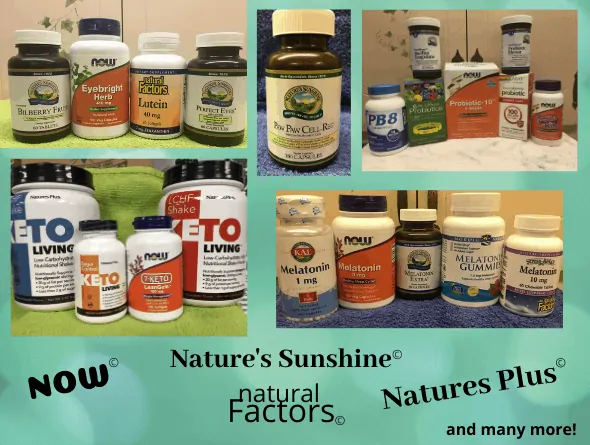
What’s So Special About The Health Patch?

We regularly have folks ask us, “What’s so special about The Health Patch? What makes you different from any other health food store?” Well, first of all, we aren’t a health food store! We actually sell very few food items. We do have a few alternative flours and natural sweeteners that aren’t available is your local grocery store, and we do have some healthy snack foods and juices that our customers have asked us to carry for them. But the primary differences are best spotlighted within the two bylines that we use with the store name “The Health Patch.”

The first byline is “Cultivating Naturopathic Care for Total Health.” We think we are unique in Oklahoma in that we are a staff of five Naturopathic Doctors who use holistic approaches to total health care for our customers. Our customers may drop in and talk to us in the aisles about the health advice they need and we listen! Then we direct them to the supplements that we feel will best help them achieve “total health”. We’re unique in that we have the knowledge and will take the time to work with each customer.

If they need more help than we can give them in just a few minutes in the aisles, we are also available for private consultations where the Naturopathic Doctor of their choice can take an hour or so at a time and work with them. They can schedule one appointment, or as many appointments as they need for as long as they feel we are needed. We will keep records and follow their progress as their counselors and advisors. They talk – we listen – we advise!

Our other byline is “Alternative Health Clinic & Market.” We are, more accurately, a supplement store. In the “market” part of our care, we offer what we believe are the best brands of vitamin, mineral and herbal supplements available. We offer them in a variety of forms: encapsulated, in tablet form, numerous powders, the popular gummies, many in liquid form, and several as teas or in bulk which they can purchase by the ounce.

It is also our goal to affordably provide both our care and our products. We offer free memberships in the Nature’s Sunshine Company so everyone may purchase their products at the member’s 22% discount every day. We have an agreement with the NOW Foods Company so that we can offer ALL their products at a 30% discount EVERY Thursday. We have selected the third (3rd) Tuesday of every month as the day to offer ALL our store products to EVERYONE at a 20% discount. And we offer daily 10% discounts to seniors over 65, all active duty and retired military families with an ID, all first responders (police and firefighters) in uniform or with an ID, and we recently added ALL teachers with an ID.

If you are looking for affordable, alternative health care and counseling, and the best available health supplements, or just a quick healthy snack, drop in to The Health Patch. Let us provide naturopathic care for YOUR total health.

  • Randy Lee, ND, Owner, The Health Patch – Alternative Health Clinic & Market, 1024 S. Douglas Blvd, MWC, Phone 736-1030, e-mail: [email protected], offering private consultations by appointment.

A Year of Celebration and Health

February 2020
Overview:
Awareness: American Heart Association, National Cancer Prevention, National Children’s Dental Health, National Eating Disorder
Flower: Violet
Gemstone: Amethyst
Trees: Cypress, Poplar, Cedar, Pine

Groundhogs Day: Groundhogs live in the ground and it is from the ground that we get most of our minerals! Minerals come from rocks, soil, and water, and they’re absorbed as the plants grow or by animals as the animals eat the plants. They are the elements that our bodies need to develop and function normally. The body cannot create minerals. Minerals have to be digested, but the body can create 10 out of the 14 vitamins that we need if our mineral intake is up. They are needed to activate enzymes. If fact, many diseases are caused by a polluted blood stream and a mineral deficiency. There are 102 minerals that make up the human body. The major minerals, which are used and stored in large quantities in the body, are calcium, chloride, magnesium, phosphorus, potassium, sodium, and sulfur.

The trace minerals are just as vital to our health as the major minerals, but we don’t need large amounts. Minerals in this category include chromium, copper, fluoride, iodine, iron, manganese, molybdenum, selenium, and zinc. “Each one plays a role in hundreds of body functions. It may take just a very small quantity of a particular mineral, but having too much or too little can upset a delicate balance in the body,” says Dr. Bruce Bistrian, chief of clinical nutrition at Beth Israel Deaconess Medical Center. Essential minerals are most potent when they come from food. But if you’re struggling with deficiencies, you may need to take supplements. If so, use caution: ingesting too much of a mineral supplement can be harmful. One way the ancients supplemented minerals was to consume mineral-rich clays. The other way was by adding a hard rock to their cooking pots. There are two different methods: one was to add a rock first and then boil food over an open fire; the other was to add a hot rock to a vessel which would cook the food without using an open flame. Sodium and calcium are the top two minerals provided using this method. And, by boiling stones and water for 15 minutes any harmful bacteria should be eliminated. A limestone rock was often used in the American Southwest. This leached chemical lime from the stones into the water, which has been found to raise the pH of the water to 11.4–11.6 at temperatures between 300–600 degrees centigrade, and higher yet over longer periods and at higher temperatures. When historical varieties of maize were cooked in this water, the chemical lime broke down the corn and increased the availability of digestible proteins.

President’s Day: This is the day the United States set aside to celebrate two former Presidents’ birthdays-George Washington and Abraham Lincoln. Thus, I am using this day to talk about natural birthing herbal aids.

  • Herbal infusions (aka: teas that don’t contain any Camellia sinensis-tea bush) have been used by midwives throughout history to help with some of the negative symptoms associated with pregnancy and labor.
  • Red Raspberry: While red raspberry leaf infusion is typically recommended for the second and third trimesters of pregnancy, some women use the herbal remedy to help with nausea and vomiting in the first trimester as well. The fragarine compound found in red raspberry leaves is known to help tone and tighten muscles in the pelvic area, including the walls of the uterus, which can help make delivery easier. It also lessens complications, shortens labor by helping contractions to work more effectively; making birth easier and faster, and prevents excessive bleeding after childbirth. Women who drink red raspberry leaf tea later in pregnancy have been shown to have reduced use of forceps and other interventions such as, C-sections or vacuum-extractions, as well as a reduction in the likelihood of pre- and post-term labor.
  • Nettle Leaf: Nettle leaf is a tonic herb thought to strengthen and tone the entire system, and is particularly useful to support fertility in both men and women. In traditional herbal medicine, nettles are thought to ease leg cramps, and possibly ease the pain of childbirth. After birth, nettle is thought to promote an abundant milk supply. Nettle is particularly rich in micronutrients like carotene, vitamin C, manganese, iron, calcium, zinc and chromium. As the mother passes anything she consumes to her baby both during pregnancy and breastfeeding, nettle will not only nourish her body, but also her growing baby. In addition to nettle infusion, one can use fresh nettles in springtime (be wary of their sting) in one’s cooking.
  • Oat Straw: Oat straw was traditionally used in Europe as a tonic for health, beauty, and emotional resilience. It’s rich in both calcium and magnesium. Calcium and magnesium work together in the body. Calcium tones the muscles and the cardiovascular system, and improves circulation both in the mother’s body and, naturally, in her baby as well. It also stimulates the muscles to contract. Magnesium then, by contrast, helps those muscles to relax, easing cramps, restless legs, as well as improving sleep. In this way, it’s thought by herbalists and midwives that oat straw can be particularly valuable for pregnant women.
  • Alfalfa: Alfalfa, like nettle, is a general restorative herb. In folk medicine, alfalfa is used to support thyroid health and it’s thought to ease morning sickness. Alfalfa hay is also given to livestock to help them produce abundant milk, and is thought to convey the same benefits to human mothers as well. Alfalfa, like nettle and red raspberry leaf and other green leafs, is also rich in vitamin K which supports healthy circulation and proper blood clotting. Low vitamin K levels is linked with bleeding and hemorrhage which may be why many midwives recommend optimizing one’s vitamin K levels during pregnancy, particularly in the weeks leading up to childbirth, with the primary recommendation being diet as well as herbs like alfalfa.
  • Lemon Balm, Rose Hips and Rose Buds: Lemon balm gives a pregnancy infusion delightful, mellow lemon-like flavor. In traditional, folk medicine, lemon balm is used for nervousness, digestive upset, and headaches. Similarly, rose hips bring a light and pleasant tartness to an infusion. Rosehips are rich in bioflavonoids and vitamin C, and it’s that vitamin C that works synergistically with iron to help your body better absorb that mineral. Similarly, rose buds bring pleasant floral notes and a lovely feminine energy to an infusion. Lemon balm and rose hips added to an infusion is for their flavor more than anything else. The pregnancy infusion listed below in the recipe section tends to be inky and dark, owing to the heavy use of leafy green herbs like nettle, alfalfa and raspberry leaf. Both lemon balm and rose hips, bright in flavor, aromatic and astringent, lighten the infusion in a pleasant way.

Some uncommon plants: Each culture has their own special herbs they use for labor. Alas, a vast majority of these plants are not found on the market and need to be foraged. Some exceptions are yucca and prickly pear cactus roots used by the Lakota as an infusion to aid in childbirth. Eggplants, lemons, dates, nuts and seeds, sweet potatoes, melons, and licorice are others that have been claimed to aid in the birthing process.

*Caution: Although herbs are natural, not all herbs are safe to take during pregnancy. The FDA urges pregnant women not to take any herbal products without talking to their health-care provider first. Women are also urged to consult a trained and experienced herbalist (or other professionals trained to work with herbs) if they want to take herbs during their pregnancy. Some herbal products may contain agents that are contraindicated in pregnancy. Herbs may contain substances that can cause miscarriage, premature birth,
uterine contractions, or injury to the fetus. Few studies have been done to measure the effects of various herbs on pregnant women or fetuses.

Valentine’s Day: Many of the common symbols of this day include hearts, roses, and chocolate. It is common in Japan and Korea for singles to get together and eat Jajangmyeon (noodles with black bean sauce). In Wales it is tradition for a man to give the woman whom he loves a carved wooden spoon.

Rose petals and their medicine help to move and open a heart which has tightened emotionally and spiritually. Both TCM and Unani (traditional Arabic medicine) teach that rose has a powerful effect on the spiritual state of one’s heart. In Unani medicine some heart herbs are termed as “exhilarants”, which help the spiritual heart feel joy. A wonderful nervine, great for uplifting the mood and alleviating depression, rose also has antispasmodic, aphrodisiac and sedative qualities, as well as being anti-inflammatory. Rose helps regulate menstruation as well as stimulate the digestion. Rosehips, which come along after the bloom has faded, are a wonderful source of vitamins C, B2 and E. One may use rose as an herbal supplement, essential oil, or flower essence. Rose petal tincture is often used in heart formulas. Dried rose petals make a lovely addition to teas. There is a long tradition of rose water being used in medicine, including in Iran and other parts of the Middle East, as far back as the 7th century.

The observation that people prone to herpetic lesions and other related viral infections, particularly during periods of stress, should abstain from arginine excess and may also require supplemental lysine in their diet. Some arginine-rich foods such as chocolate, nuts, and seeds causes some to experience herpes outbreaks. Lysine-rich foods such most vegetables and fruits, dairy, egg whites, and meats help. Foods that contain high amounts of Vitamin C such as citrus, leafy vegetables, broccoli, brussel sprouts, cauliflower, bell peppers, strawberries, and papaya aid in boosting the immune system. Other immune boosting foods that contain high amounts of bioflavonoids such as citrus, many bright colored fruits and vegetables, leafy vegetables, black tea, broccoli, brussel sprouts, eggplant, wine and juice made from berries or grapes. Zinc-rich foods that also aid the immune system include pumpkin seeds, most dairy, beans, lentils, whole-grain cereals, and legumes.

If you’re an abuse survivor, there’s not one way to cope with feelings that Valentine’s Day might stir up. But if you can do things that empower you and make you feel good, that’s a step in the right direction. (And for those of you who haven’t experienced abuse but know a friend who has, Valentine’s Day is a good time to reach out and remind them you’re there for them in any way they need.) Here are some general suggestions that may work for you:

  • Surround yourself with support: Seek out friends and family who make you feel validated and won’t encourage you to return to your abuser.
  • Call a helpline: There are quite a few hotlines available for those who are or have experienced domestic abuse. There’s Day One, which is a great resource. You can call the National Domestic Violence Hotline at (800) 799-7233 or RAINN, the National Sexual Assault Hotline, which you can reach at (800) 656-4673.
  • Take self-defense classes: not necessarily as a defense against a future incident of abuse, but as a way to make you feel stronger and less vulnerable.
  • Turn to therapy: Talk with a therapist or a survivor group where you can be candid about the trauma you experienced. A good online support group with over 80,000 users is Pandora’s Project (a nonprofit organization that provides support to survivors of sexual assault). https://www.pandys.org.
  • Put your own needs first: Do whatever makes you feel good and at peace. It could be meditating or seeing a silly movie or reading that book you’ve been curious about. Overall, the hope is that with the right support, no matter where it comes from, triggers like Valentine’s Day will, over time, become less impactful and destabilizing. Yes, the trauma you experienced was real, but the memories of it don’t have to keep hurting you. The more autonomy you allow yourself to have over them, the sooner they’ll fade into the background.
  • Herbal aids: There are several herbal aids one may take to help deal with triggers, memories, and nightmares. St. John’s wort is most commonly used for “the blues” or depression and symptoms that sometimes go along with mood such as nervousness, tiredness, poor appetite, and trouble sleeping. Gamma aminobutyric acid (GABA) is a naturally occurring amino acid that works as a neurotransmitter in your brain. Neurotransmitters function as chemical messengers. GABA is considered an inhibitory neurotransmitter because it blocks, or inhibits, certain brain signals and decreases activity in your nervous system. Rescue Remedy is a blend of five flower remedies especially beneficial when you find yourself in traumatic or stressful situations.

Mardi Gras: Traditional Mardi Gras foods include shrimp, grains, and legumes. All these are within the top 8 foods groups known to be allergens. In fact, researchers estimate that 32 million Americans have food allergies, including 5.6 million children under age 18. And, about 40% of children with food allergies are allergic to more than one food. There are also those who do not have allergies, but instead have intolerances. Both allergies and intolerances are labeled food sensitivities. Key differences between food allergies and food intolerances:

  • Food Allergy: Immediate response; possibly life-threatening; IgE-mediated immune response
  • Food intolerances: Response ranges from one hour to up to 48 hours; not life-threatening; possibly IgG-mediated immune response
  • Food Sensitivity Symptoms: acne, brain fog, eczema; dry and itchy skin; bloated stomach after eating; fatigue; joint pain; reflux; migraines; diarrhea; depression and mood swings; runny nose; headache; trouble sleeping and dark circles under eyes.

If you notice certain ailments or aches on a regular basis like the ones listed above, you might have a food intolerance. The tricky part is figuring out which food is to blame. Since symptoms can wait to show up until a few days after consumption, it makes diagnosis especially challenging and time-consuming. That’s why for many, food sensitivities last for decades and are largely undiagnosed. Traditionally, you would keep a food journal and embark on an elimination diet, removing possible culprits one at a time for periods of two to eight weeks (the longer the better).

Leaky gut occurs when there is damage to the lining of the intestinal tract making it more permeable to substances that should not cross the delicate lining. Normally, only nutrients from fully digested foods such as vitamins, minerals, emulsified fats, amino acids and simple sugars are able to cross the intestinal barrier that separates our blood stream from our gut. But when the gut becomes leaky, undigested food particles, bacteria and toxins are able to make it through the gut lining and they enter the
circulation, going to places in the body where they don’t belong. The body’s defense system fights back and it’s during this fight that uncomfortable symptoms are experienced.

There are several causes of leaky gut and one or more of these causes may be at work simultaneously. For example, leaky gut can be caused by damage from an autoimmune reaction, such as celiac disease which destroys the microvilli and increases permeability, or by the presence of gluten which causes the production of a chemical called zonulin which directly opens up the tight junctions, making the gut more permeable; it may also be due to damage caused by bacterial toxins in conditions such as Small
Intestinal Bacterial Overgrowth (SIBO), which also contribute to gut inflammation leading to leakiness. And probably most importantly, leaky gut can be caused by undiagnosed food sensitivities with the immune battle between white blood cells and undigested food particles taking place in the villi of the small intestine.

Food intolerances are the main cause of symptoms associated with leaky gut. Food intolerances create a vicious cycle in that they help maintain the reason for their development (the leaky gut) while being the direct cause of the various symptoms suffered. This vicious cycle can only end after carefully removing all sources of reactive foods and chemicals, which not only eliminates symptoms, but also allows the gut to finally heal. But this is easier said than done for a number of reasons: Food sensitivities are often dose dependent, with symptom onset delayed by many hours, and there are usually many reactive foods, not just 1 or 2 as in food allergy. And just like each person has a unique fingerprint, both food intolerance symptoms and trigger foods are different from one person to another. In other words, in two gluten sensitive people, gluten may cause digestive problems in one person and migraines in another. And in 10 migraine patients, there could be 10 different sets of trigger foods. Because of this, obviously there is no one-size-fits-all diet. Although research proves that leaky gut exists, there is no perfect test to diagnose it, diagnose its cause, or determine if a particular therapy is effective at treating it. What is known is that diet and stress are two things that play a significant role in causing leaky gut. Therefore, an individually prescribed diet, stress reduction and supplement plan are a big part of the solution. Monitoring symptom improvement is the best way to determine the effectiveness of therapy and the healing of your leaky gut. Omega-3 oils, probiotics, fibers, removing foods to which one is sensitive, and eliminating sugar to can aid in the healing of the gut.

Recipes:

  • Pregnancy Infusion: Makes 28 serving Ingredients: 2 ounces’ nettle leaf, 2 ounces’ raspberry leaf, 1 ounce oat straw, 1 ounce alfalfa leaf, 1/2 ounce lemon balm, 1/2 ounce rose hips, 1/2 ounce rose buds. Instructions: Stir all the herbs together in a large mixing bowl so that they’re evenly distributed. Set a wide-mouth funnel into the lip of a jar and spoon the mixed herbs into the jar. Cap tightly and store out of the sun. Bring about a quart of water to a boil, and then spoon a heaping quarter-cup (about 1/4 ounce) of your mixed herbs into a quart-sized jar. Cover with boiling water, cap, and let them steep overnight – about 8 hours. Strain out the herbs, and enjoy the tea. Note: Take about two cups a day during the second trimester and up to a quart a day in the third trimester. Reach out to your care provider to determine what is the right amount for you.
  • Nan-e Berenji (a cookie): 1/2 cup vegetable oil, 3/4 cup confectioners sugar, 1 egg yolk, 2 cups fine rice flour, 1/4 cup rose water, 1-2 tablespoons poppy seeds. Directions: In a large bowl, mix together the oil and sugar with a hand mixer on medium speed for 1-2 minutes. Add egg yolk and mix for another 20-30 seconds. Sift in the rice flour, in three batches. Using a spatula, fold in the flour into mixture after each batch is added. Add the rose water. Knead the mixture for 5-10 minutes. Shape into a ball and wrap tightly with plastic wrap and place in the refrigerator overnight. Preheat oven to 325 F and line baking sheet with parchment paper. Roll dough into small 1-inch balls and flatten the cookie into a small disc. Repair any cracks on the edges and place on baking sheet. Using the curve of a small teaspoon make overlapping arch-shaped indentation marks on the top. Sprinkle with poppy seeds. Bake for 20-25 minutes until the bottom and edges begins to turn a light golden color. Let completely cool before carefully removing from baking tray.
  • Millet & Rice Pasta: ¼ cup arrowroot starch, ¾ cup brown rice flour, ½ cup millet flour, ½ tsp xanthan gum, ¼ tsp salt, 2 tbsp light olive oil, ½ cup flax seed gel, 4 tbsp warm water. Directions: Combine the dry ingredients and set them aside. In the stand mixer, combine all of the wet ingredients. Add the dry ingredients slowly until a crumbly mixture forms. Form into a long roll and slice to make long noodles. Cook as normal pasta.
  • Konjac Noodles: 2 teaspoons of glucomannan/Konjac, 1/8 teaspoon of pickling lime (or 1 gram of baking powder), 2 cups of Cold Water. Directions: Pour 2 cups of cold water into a large cooking pot. Stir in pickling lime (or baking powder) for one minute. Add the glucomannan powder, stirring continuously until the liquid reaches a boil. Boil the mixture for about 3 minutes. Remove from heat. The mixture will turn into a gel once the mixture cools down. Being a thermally stable (non-reversible) gel, this gel will not dissolve at room temperature. Once cool, cut the gel into small pieces or into your desired shape. When ready to serve, dip the cut glucomannan food into a pot of warm water or steam for about 3 to 5 minutes. Then serve or continue to cook in any manner one likes.
  • Vegetable Noodles: serves 2. Ingredients: 4 zucchinis, cut into thin strips on a mandolin, or julienne peeler, black pepper, freshly chopped parsley and a squeeze of lemon. Directions: Saute zucchini in a pan over a medium heat with a little olive oil. Season with a little lemon, sea salt and black pepper. Add fresh herbs if you wish. Note: You may use: Zoodles-zucchini noodles, Poodles-parsnip noodles, Swoodles-sweet potato noodles, Toodles-turnip noodles, Coodles-carrot noodles, Squoodles-squash noodles, boodles-broccoli stem noodles (peel stem first).
  • Carob-dipped Strawberries: 8 -10 large fresh strawberries, washed and dried; 3 tablespoons coconut oil; 1 tablespoon maple syrup (or liquid stevia-to taste), optional; 2 tablespoons carob powder. Directions: Pre-line a flat tray that you will use to place your strawberries on to and keep in the fridge to cool whilst preparing the carob sauce. Pre-chilling the tray helps carob coating to set quickly. In a small mixing bowl, mix coconut oil over boiling water to melt. (Use a small saucepan of boiling water and sit bowl over the top. The heat from underneath will melt the coconut oil in the mixing bowl). Add carob powder and optional maple syrup (or liquid stevia-to taste) and mix well. Holding the strawberry at the leafy end, dip each strawberry into the carob sauce and coat well. Use a spoon to help if needed. Place onto pre-chilled and lined tray. Once all strawberries are coated, place in fridge until carob coating is set. Keep in refrigerator until ready to eat. Variations: Use raw cacao powder instead of carob for an authentic chocolate flavor. Add desiccated coconut to your carob dipping sauce or sprinkle coconut over wet carob dipped strawberries before setting. Add 1 tablespoon nut butter such as almond butter to dipping sauce for a nut fudge coating. Make carob sauce to serve as a fondue at dinner parties and let guests dip their own strawberries. Tips: Make sure your washed strawberries are pat dry before dipping into carob sauce otherwise the coating won’t stick as well. For an extra thick coating of carob, after first coat is set on strawberries repeat process for a second coating. Pre-chilling your lined setting tray in freezer will help the carob coating to set quickly. Pre-chill your washed strawberries in the refrigerator prior to dipping to also help the carob to set quickly. If your carob dipping sauce is too runny it won’t stick to the strawberries well. If it is too runny place your dipping sauce in the fridge for a few minutes or until it begins to thicken.
  • Traditional King Cake (Gil Marks): Dough-1 package active dry yeast (or 1 cake fresh yeast or 2 teaspoons instant yeast); 1/4 cup warm water (105 to 115°F for dry yeast; 80 to 85°F for fresh yeast); 1/2 cup warm milk (105 to 115°F for dry yeast; 80 to 85°F for fresh yeast) (or sour cream); 1/4 cup granulated sugar; 1/4 cup unsalted butter, softened (½ stick); 2 large egg yolks or 1 large egg; 3/4 tsp table salt; 1 tsp ground cinnamon (or cardamom), optional; 1/2 tsp freshly grated nutmeg, optional; 1/8 tsp almond extract, optional; 1 tsp grated lemon zest, optional; 2 tsp grated orange zest (or orange blossom water), optional; 2 1/4 cups unbleached all-purpose flour (or bread flour); 1/4-1/2 cup chopped candied citron (or ½ cup chopped mixed candied fruit, or ½ cup golden raisins); egg wash (1 large egg beaten with 1 teaspoon milk or water)–Cinnamon Filling-(optional): 1/2 cup packed light brown sugar; 1/4 cup all-purpose flour; 1 1/2 tsp ground cinnamon; pinch salt; 2/3 cup chopped slightly toasted pecans (or 1/3 cup pecans); ¼ cup raisins; ¼ cup unsalted butter, melted (½ stick); 1 pecan half, large bean, or other token/baby, optional. Icing–1 cup confectioners’ sugar; 2 tbsp unsalted butter, softened (¼ stick) (or ¼ cup cream cheese, softened), optional; 1/2 tsp vanilla extract (or ¼ teaspoon almond extract); 1 tbsp milk (buttermilk, fresh lemon juice, or water); a few drops gold food coloring (or 2 to 4 tablespoons yellow colored sugar) optional; a few drops green food coloring (or 2 to 4 tablespoons green colored sugar), optional; a few drops purple food coloring (or 2 to 4 tablespoons purple colored sugar), optional. Directions: To make the dough–In a small bowl or measuring cup, dissolve the yeast in the water. Stir in 1 teaspoon sugar and let stand until foamy, 5 to 10 minutes. In a large bowl, combine the yeast mixture, milk, sugar, butter, egg yolks, salt, and, for a flavored dough (but omit this if you are using a filling), the spice or zest. Blend in 1½ cups flour. Gradually add enough of the remaining flour to make a soft workable dough. On a lightly floured surface or in a mixer with a dough hook, knead the dough until smooth and springy, about 5 minutes. Knead in the citron, mixed candied fruit or golden raisins. Place in an oiled bowl and turn to coat. Cover with a kitchen towel or loosely with plastic wrap and let rise in a warm, draft-free place until doubled in bulk, about 2 hours, or in the refrigerator overnight. To make the optional filling–In a medium bowl, combine the brown sugar, flour, cinnamon, and salt. Stir in the pecans. Drizzle the butter over top and mix until crumbly. Punch down the dough and knead briefly. Making the cake with the filling: Roll the dough into a 16- by 10-inch rectangle, spread evenly with the filling, leaving 1 inch uncovered on all sides. If using a token, place it on the rectangle (Be sure to warn your guests.) Beginning from a long end, roll up jellyroll style. Then bring the ends together to form an oval. Place on a parchment paper-lined or greased baking sheet, seam side down. Cover with a towel or plastic wrap spritzed with cooking spray and let rise at room temperature until nearly doubled in bulk, about 1 hour. Position a rack in the center of the oven. Preheat the oven to 350°F. Brush the dough with the egg wash. Bake until golden brown, 25 to 30 minutes. Transfer to a wire rack. Making the cake without the filling: Divide the dough in half and shape each half into a 24-inch-long rope. Braid the 2 ropes together, and bring the ends together to form an oval, pinching the ends to seal. OR Divide the dough in thirds and roll each piece into a 16-inch rope. If you prefer an oval shape, the strands should be closer to 20 inches. Braid by first connecting the ends of the ropes at one end. As you braid, be sure that you are pulling the strands gently taut to make a neat and even braid, otherwise your cake may bulge in some areas. When you are ready to connect the ends, unbraid a few inches at each end, then braid them together by connecting the corresponding pieces. For example, center rope to center rope. Place on a parchment paper-lined or greased baking sheet, seam side down. Cover with a towel or plastic wrap spritzed with cooking spray and let rise at room temperature until nearly doubled in bulk, about 1 hour. Position a rack in the center of the oven. Preheat the oven to 350°F. Brush the dough with the egg wash. Bake until golden brown, 25 to 30 minutes. Transfer to a wire rack. To make the icing: In a medium bowl, stir the confectioners’ sugar, optional butter or cream cheese, vanilla, and enough milk until smooth and of a pouring consistency. If desired, divide the icing into thirds and tint each third with one of the food colorings. Or you can drizzle or spread the icing over the warm cake. While the icing is still wet, sprinkle with the colored sugar. The easiest way to do this neatly is to use a pastry brush to apply icing to each section, then sprinkle with sugar, let dry, and move on to the next section. For the braided cake, follow the braid pattern around the cake, using one color at a time and applying to each icing section directly after applying while still wet (the icing dries fast!). Then allow the icing to dry and gently tap off the excess sugar before starting the next color. Serve warm or at room temperature. After cooling, the cake can be wrapped well in plastic, then foil and stored at room temperature for up to 5 days or in the freezer for up to 3 months. Do not cover with the icing before freezing. Variation: Cream Cheese-Filled King Cake: Beat 8 ounces (225 grams) cream cheese at room temperature with 1 cup (4 ounces/115 grams) confectioners’ sugar, ½ egg yolk (use the rest for the egg wash), and ¾ teaspoon vanilla extract. This can be used with or without the cinnamon filling. Hint: To make colored sugar, in a jar shake ¼ cup granulated sugar with 4 drops yellow, green, or purple food coloring.

—-Mitákuye Oyás’iŋ—-
Jolene Griffiths, Master Herbalist

For more information, contact Naturopathic Doctor Randy Lee, owner of The Health Patch at 1024 S. Douglas Blvd, Midwest City, at 405-736-1030 or e-mail [email protected] or visit TheHeathPatch.com.

*These statements have not been evaluated by the Food and Drug Administration. This information is intended for educational purposes only. It is not intended to diagnose, treat, cure, or prevent any disease.

Heart Healthy Foods for February

February is American Heart month. This February marks the 51st anniversary of American Heart Month. Heart disease is the number one killer in the U.S., claiming more lives than all cancers combined. It is important for us to take a serious look at what we can do to lower our risk for heart disease this month and throughout the year. I will share with you the following tips to get started on your path toward Heart Health.

Be active. Physical activity is one of the best ways to fight off heart disease and other chronic conditions. Any amount of activity is better than nothing. However at least 30 minutes a day is ideal. If you can’t devote a full 30 minutes, split your exercise into 10-minute segments.

Maintain a healthy diet. Include a variety of fruits and vegetables, protein, nuts, seeds, beans, peas and lentils. Avoid foods and beverages that are high in fat and sugar. High fiber foods can help prevent high cholesterol.

Aim for a healthy weight. Carrying extra weight especially in your mid-section is hard on the heart and can increase risk for diabetes. Losing 5-10% of your starting weight can make a big difference in your blood pressure and blood sugar.

Know your numbers. Have your levels checked. Staying informed will allow you to better manage your heart and prevent certain health conditions from developing.

Dark chocolate on Valentine’s Day? My answer would be “yes”. Why?

  1. Dark chocolate may give your brain a boost. Dark chocolate, made from the seed of the cocoa tree, is one of the best sources of antioxidants on the planet.
  2. Cocoa may calm your blood pressure.
  3. Dark chocolate can help you lower your cholesterol. There are a number of products out there to help lower cholesterol. But by all means, don’t use dark chocolate as a license to purchase a case of dark chocolate. It is just an added benefit.
  4. Studies show that dark chocolate can improve your health and lower your risk of heart disease. Keep in mind these dark chocolates should contain at least 50-70% cocoa.

Another tip: these dark chocolates should be sweetened with natural healthy sweeteners, not refined sugars. Where can you find these healthy sweeteners? “At the Health Patch” of course!

Your Wellness Friend:
Shirley Golden, Staff ND, The Health Patch – Cultivating Naturopathic Care for Total Health
1024 S. Douglas Blvd, MWC, ph:736-1030, e-mail: [email protected].

*These statements have not been evaluated by the Food and Drug Administration. This information is intended for
educational purposes only. It is not intended to diagnose, treat, cure, or prevent any disease.