Image

Archive for Body Systems – Page 6

Protect Your Heart

heart, protect, health, natural We’ve done a series of blogs and podcasts concerning the heart and the cardiovascular system recently. We’ve covered a lot of ground. But there are some areas that didn’t seem to fit smoothly within the frames we’d set for them, so I decided to place the hodgepodge of “extras” in a separate blog. They fit under the overall “protect your heart” venue. So here they are:

The importance of antioxidants. Oxidation changes the chemical structure of those things that are oxidized! They don’t function the same and in some cases, prevent proper functioning at all. Antioxidants (by definition) prevent this oxidation. With regard to the heart, I’m thinking particularly about cholesterol. In a previous blog, we noted the importance of cholesterol for several body functions. And while consuming too much is certainly to be avoided, a greater problem in the oxidizing of low-density cholesterol. It becomes difficult to move and causes often life-threatening arterial blockages. We now know that substances such as bergamot orange fruit extract and numerous super antioxidant fruits help to alleviate this condition.

Inflammation. The number one inflammatory substance you can put in your body is refined sugars. They prove to be inflammatory agents in all tissues of the body. And the heart is no exception. Or heart health I certainly recommend you reduce (eliminate?) processed/refined sugars from your diet.

Saturated fats. Saturated fats are those that are solid at room temperature – things like butter, lard, animal fats, etc. And manmade fats like margarine are even worse. While it doesn’t seem to be necessary to completely remove these from the heart-healthy diet, the FDA has set a healthy limit of 20 grams of saturated fat per day. More tends to clog arteries and obstruct digestion.

On that subject – all living tissues are susceptible to cracking and breaking. The body has glue for that. It’s called plaque. It floats in the bloodstream and attaches to these fissures to “heal” them by coverage. Unfortunately, other floating material in the bloodstream that “sits in place” for a time is deemed to need correction by the plaque too. So a fat deposit or cholesterol glop attached to the wall of the blood vessel may also get covered by the plaque narrowing the diameter of the vessel and obstructing blood flow. This too can raise blood pressure as it takes more pressure to push good blood through the narrow openings.

Stress is extremely difficult on the heart, so every effort should be made to reduce your stress levels to have a healthy heart. There are many supplements that will help with stress, but that is a subject for another article completely. In addition to supplements, consider adding a daily “quiet time”, cardio exercise, and pleasant activities to your daily life. I love the old adage “like a fine violin, may your [cardiovascular system] have enough stress to make beautiful music, but not so much as to break a string.”

So, if you are ready to improve your heart’s health and live longer, consider adding some of these things to your daily routine, stop smoking, and maintain your weight in a healthy range. Limit your fat intake to 10-20 grams of saturated fat a day, and reduce (eliminate?) refined sugar from your diet. Fat and sugar together make a good recipe for heart trouble. Live long and in good health. Genesis 1:29.

– Randy Lee, ND, Owner, The Health Patch – Alternative Health Clinic and Market, 1024 S. Douglas Blvd, MWC, 736-1030, e-mail: [email protected] or visit thehealthpatch.com.

Blood Pressure Basics

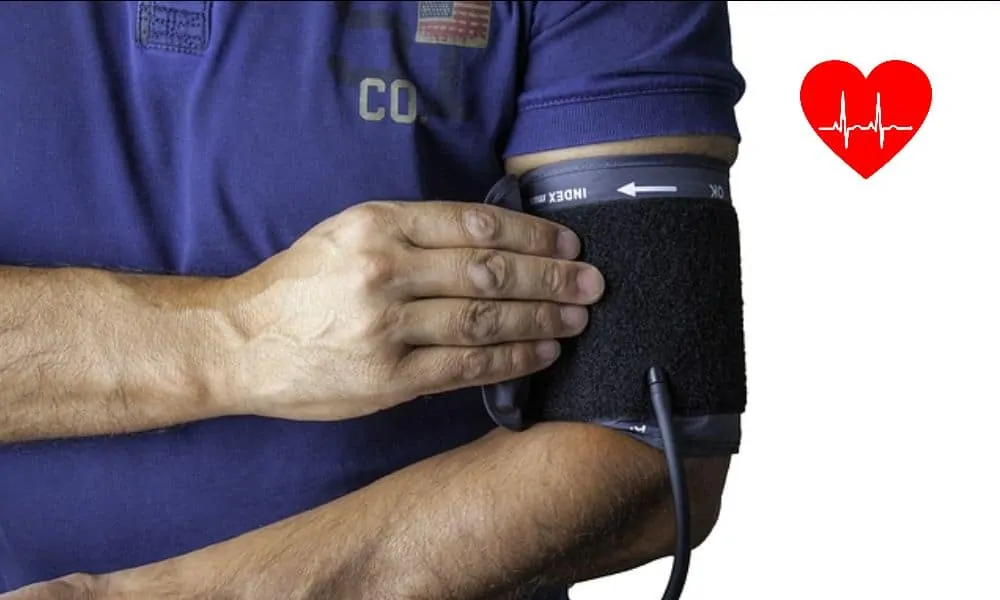
blood, pressure, health, natural Since heart disease still reigns as the number one killer of both men and women, and because hypertension and high blood pressure are a major component of cardiovascular disease, let’s look at what I call “Blood Pressure 101” – the basics of blood pressure that everyone needs to know.

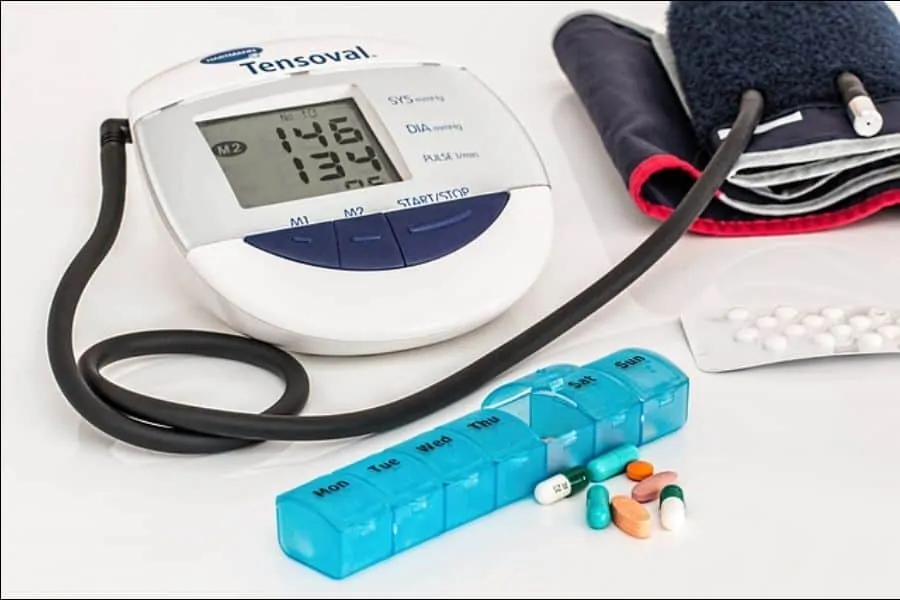
Most anyone who has had a basic high school course in biology can tell you that normal blood pressure is 120/80. What does that mean? The upper number is called the Systolic number measured in millimeters of mercury on a blood pressure cuff. 120 is considered to be the normal reading. The bottom number is 80 millimeters of mercury and is called the diastolic pressure.

For all of my adult life, anything below 140/90 was considered ok – even for flying aircraft. But recently the American Medical Association has determined that 120/80 is “normal” Numbers above that are now considered “elevated” up to 129/80, stage 1 hypertension up to 139/89, and stage 2 hypertension at 140/90. They now consider you to have a hypertension crisis if your blood pressure exceeds 180/120.

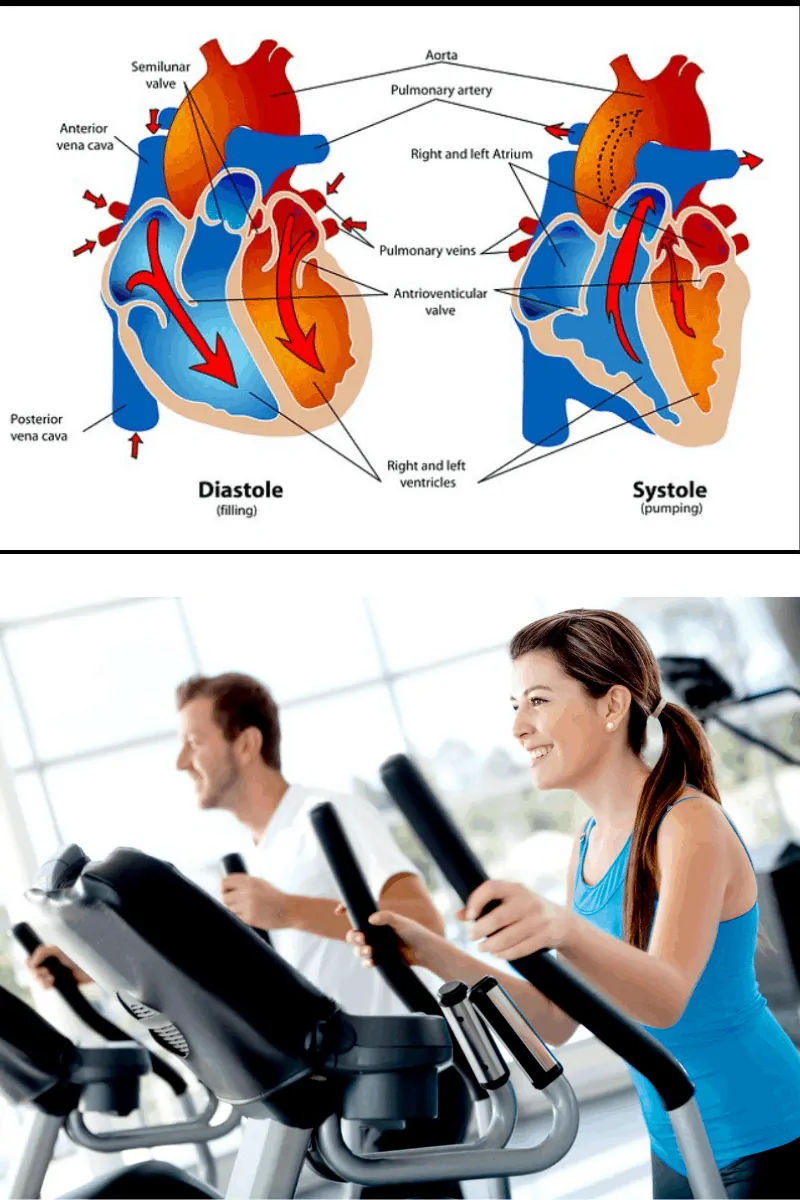
Practically, what do the numbers represent? When the heart pumps it pushes blood into the arteries of the cardiovascular system at a pressure represented by the systolic number. That means the heart must be strong enough to exert that amount of pressure to get the blood flowing without causing distress to the heart itself or rupturing the vessels. The diastolic pressure then is the “resting” pressure, the least amount of pressure you’ll have in the system. If the system diastolic number is too high then the system never gets to rest. Enough pressure within either action can cause “system failure” – i.e., cardiac failure.

In a previous blog, we mentioned that the system must pump blood through 60,000 miles of blood vessels. That in itself is astounding, but I feel the need to address why being overweight is so difficult on the heart and cardiovascular system. You see, capillaries must be built to deliver water, nutrients, and oxygen to every cell in the body. And for every pound of weight we add, the number of cells we add require the building of five miles more of vessels through which those nutrients must be pumped. That adds quite a load to the pumping requirements of the heart.

And exercise is required to keep all system components strong and healthy. Many folks have caused heart failure by attempting overzealous activities straining an only moderately strong system with sudden overload!

So, if you are ready to improve your heart’s health and live longer, consider adding healthy food and some heart-healthy supplements to your daily routine, stop smoking, and maintain your weight in a healthy range. Live long and in good health. Genesis 1:29.

– Randy Lee, ND, Owner, The Health Patch – Alternative Health Clinic and Market, 1024 S. Douglas Blvd, MWC, 736-1030, e-mail: [email protected] or visit thehealthpatch.com.

A Healthy Heart

heart, health Since heart disease still reigns as the number one killer of both men and women, let’s look at some supplements that will help you maintain a healthy heart.

Much has been written about the heart benefits of Omega-3 essential fatty acids. Interestingly, even the FDA has approved the making of claims for the heart-healthy benefits of this outstanding supplement. I personally think it is the “missing link” in most of our supplement programs. Unless you eat a minimum of three four-ounce servings of cold-water, fatty fish (salmon, cod, mackerel, sardines, anchovies, etc.) each week, you should consider taking this oil. Recommended dosages are 1500mg of both EPA & DHA (the fatty acids!) each day. They are wonderful anti-inflammatories for your whole body but are especially beneficial for the heart.

Research shows that low levels of the amino acid l-taurine has been associated with heart weakness. So a “free amino acid” supplement may also be of benefit. The amino acid l-arginine is combined with molecular oxygen to make the neurotransmitter nitric acid which aids in maintaining blood pressure as a potent vasodilator. And another important amino acid for the heart is l-carnitine. This amino acid is a part of every muscle cell. It draws fatty acid molecules into the mitochondria, where they are burned to produce energy. In doing so, the levels of blood triglycerides are reduced. A deficiency of l-carnitine can result in the buildup of fat in muscles, heart, and liver.

Among heart-healthy herbs, the most commonly known is hawthorn berries. These berries simply treat the heart as a muscle and serve to give it added strength. They make the heart last longer and balance the heart and circulatory system. This is a plant that truly seems to target the tissues of the heart. Researchers believe that it helps the heart in several ways. It dilates coronary arteries to improve blood supply, it may increase the heart’s pumping force, it may eliminate heart-rhythm irregularities, and it helps remove cholesterol from artery walls. It has been used long-term to reduce angina attacks and to prevent cardiac complications in elderly patients with pneumonia and influenza.

Other supplements that can lead to a healthier heart include the following. The heart needs potassium to help control blood pressure and an irregular heartbeat. Vitamin E and selenium should be taken together because they are co-dependent in the body and are both antioxidants that protect the body (especially the heart) from the damaging effects of chemically active pollutants. Unprotected fats become rancid when they oxidize. The heart requires a regular supply of the Co-enzyme Q10 to help move energy and increase the efficiency of cellular metabolism. And calcium and magnesium (in the proper ratio) are needed to control the heart’s beat.

So, if you are ready to improve your heart’s health and live longer, consider adding some of these supplements to your daily routine, stop smoking, and maintain your weight in a healthy range. Also remember, fat and sugar together make a good recipe for heart trouble. Live long and in good health. Genesis 1:29.

– Randy Lee, ND, Owner, The Health Patch – Alternative Health Clinic and Market, 1024 S. Douglas Blvd, MWC, 736-1030, e-mail: [email protected] or visit thehealthpatch.com.

Your Cardiovascular System

Every day your heart beats over 100,000 times in order to push 2,000 – 5,000 gallons of blood through 60,000 miles of arteries, veins, and capillaries. Astounding, huh? Heart disease is still the number one cause of death for both men and women. Over 600,000Americans die from heart disease each year, accounting for about one out of every four deaths. One-fourth of all Americans suffer from some form of cardiovascular disease.

This is the body system that is responsible for transporting nutrients to the cells and removing waste from the cells. It includes the heart itself which does the pumping. The arteries are living tubes which allow nutrients to be delivered to all parts of the body. The capillaries are the tiniest of the blood vessels which allow the blood to reach even the smallest areas of the body.  The veins do the return trip to carry waste from the cells back to the kidneys and lungs.

Problems within this system may be many. Just a few include:

  • Cholesterol buildup. Cholesterol is necessary for at least three actions in the body:
    1. the production of some hormones,
    2. as a building block for human tissues, and
    3. assisting in bile production in the liver for digestive purposes.

But too much can clog the arteries and raise blood pressure.

  • High blood pressure. Too much pressure can stress the heart and rupture blood vessels among other things.
  • Arterial plaque. Besides restricting artery sizes, it can also increase blood pressure and stress the heart.
  • Poor circulation through insufficient movement or degenerative vessels can cause restricted blood flow and hardening of the arteries and veins themselves.
  • Acne and skin problems. If wastes can’t be removed normally, the body pushes toxins to the skin surface causing skin problems such as rashes, eczema, and so on.

A well-functioning cardiovascular system requires:

  • proper nutrients,
  • adequate water to keep liquids in the body in balance,
  • and exercise to activate the system components and control of stress within the body.

Keep the system in balance and it will serve you well for a full, viable lifetime.

–  Randy Lee, ND, Owner, The Health Patch – Alternative Health Clinic and Market, 1024 S. Douglas Blvd, MWC, 736-1030, e-mail: [email protected] or visit thehealthpatch.com.

Is Your pH Balanced?

If you took chemistry in high school then you’ve heard of “pH.” “pH” stands for “potential of Hydrogen” and is the mark of the acid-alkaline ratio of an item. In this case, we’re talking about the pH balance of your body. It is the balance between positively charged ions (which form acids) and negatively charged ions (which form alkalines).

Why is this important? A recent pamphlet (available to you at the shop without cost) states that “the body continually strives to balance pH. When this balance is threatened, however, many unpleasant sicknesses can arise. Because our bodies naturally use hydrochloric acid to break down foods and nutrients, the optimal saliva and urine pH for our bodies is slightly acidic, around 6.4-6.5.”

This is only slightly acidic because the number assigned to “neutral” is 7.0. And the measure of a well-functioning body is a saliva pH between 6.4 and 6.8 both morning and evening, and a urine pH of 6.0-6.4 in the morning (since your body has been removing acids during the night) and 6.4-7.0 in the evening. Numbers outside these set up an environment in the body where disease can flourish.

You can easily know what your pH levels are. While the old litmus strips we used in chemistry class only showed us red for acid and blue for alkaline, newer developed strips use a color-code to measure pH from 5.0 to 9.0 in .5 increments.

While the range of diseases attributable to pH imbalance is great, it should be noted that more people suffer from too much acid – a condition known as acidosis. This condition causes the body to borrow the minerals needed to buffer the acids from other organs, tissues, and bones. And while less common, high alkalinity can cause the body to digest foods too slowly and create problems in the bowel and urinary tracts. And too much acid in the saliva can indicate a problem with digestive enzymes from the stomach and liver.

Another example of conditions attributed to an improper balancing of your pH may be the inability to lose weight because the body may be improperly using the minerals needed to maintain proper metabolism.

Many foods we eat contribute to acid and alkaline buildups in our bodies. Further, new research shows that our blood types cause our bodies to react differently from one person to another. A food that is well-used by someone with a blood type of “A” may cause acid problems in a person with blood type “O”, for example. You need to research which foods are best for your blood type.

What do you do if you test your pH and find it out of balance? Well, besides modifying your diet, there are numerous mineral and herbal combinations available to correct either condition. Interestingly, different forms of the same mineral may be necessary to correct an acid as opposed to an alkaline condition. But some elements are common between the conditions: enzymes are essential to ensure vitamins and minerals are absorbed, using the correct calcium is needed, and one should cleanse regularly. Cleansing serves to detoxify your body and a “cleanse” should be accomplished quarterly or at least semi-annually.

While proper nutrition and a good supplement program are always advised, experts further recommend checking your saliva and urine pH levels twice a day and at least two days a week. Conditions caused specifically due to improper pH balances may go undetected for years, but the consequences can be devastating. Enjoy good health and God’s richest blessings.  Gen.1:29.

– Randy Lee, ND, Owner, The Health Patch – Cultivating Naturopathic Care for Total Health 1024 S. Douglas Blvd, Midwest City, OK 73130 | ph:736-1030 | e-mail: [email protected]

Call to schedule your private health consultation with one of our five Naturopathic Doctors!

A Game Changer – Body Systems

For years we’ve described our ailments in terms of specific aches – e.g., my head hurts so I need an aspirin; my tummy hurts so I need an antacid, etc. But the fallacy in this approach is that we are just treating symptoms. We may alleviate some individual discomfort, but we haven’t addressed the underlying problems.

But today, in addition to helping get rid of temporary discomfort, many of our better supplement companies are putting together herbal combinations that address the functioning of whole body systems. Now THAT’S a “game changer!” I can still give you an aspirin (or an aspirin substitute with fewer side effects) for your headache, but I may now give you a more complete herbal combination to treat your body’s many pain centers.

One of my main product suppliers has divided the body into nine primary body systems – the digestive system, the immune system, the intestinal system, the circulatory system, the respiratory system, the lymphatic system, the glandular system, the structural system, and the colon – and has used a panel of herbalist to formulate an “umbrella” supplement for each system. It’s a formula meant to keep that whole body system healthy. And they’ve kept the individual formulas for specific issues within the system.

So, for example, if you know you have a weak heart, you may just want to take a supplement that strengthens the heart muscle. My family genetics centers on an issue with the heart. So, for a number of years, I’ve been taking hawthorn, an herb known to strengthen the heart. So when my heart issues finally flared up my cardiologist said, “Based on what I found in your circulatory structure, you should have died five years ago. But your heart is incredibly strong, and I’m finding no other issues, I believe you should live another 20 years!” Needless to say, I have also been taking the core circulatory system products for many years as well.

New research has also unfolded another body system that is being called The Master System. It is the Endocannabinoid System (ECS). It appears to be the center of the wheel that keeps all the other systems working properly. Over 200 cannabinoids have been identified and about 85 of them have been studied. This system seems to release cells to travel to other cells signaling them to adjust their activity levels. This is an exciting new area of research, and portions of it are heavy in the news these days.

The systems approach to body balance is the real “game changer.” I love the quote from Albert Einstein that was in a pamphlet supplied by one of my vendors. He says, “Life is like riding a bicycle. In order to keep your balance, you must keep moving forward.” Study YOUR body and seek help in finding the system products that will give you a longer life with more quality!

– Randy Lee, ND, Owner, The Health Patch – Cultivating Naturopathic Care for Total Health
1024 S. Douglas Blvd, Midwest City, OK 73130 | ph:736-1030 | e-mail: [email protected]
Call to schedule your private health consultation with one of our five Naturopathic Doctors!

Let’s Build Our Immunity

echinacia, garlic, morinda Sneezing, coughing, watery eyes and runny noses are the order of the day, it seems. It’s the time of year when the seasons are changing, the trees are beginning to drop leaves, and molds fill the air. And there are new strains of flu this year again. This is the time of year when our immune systems are bombarded daily, and many of us fall prey to colds, flu, and allergies.

Your immune system may already be working below par. It can be weakened by parasites, viruses, poor diet, toxins, smoking, a poor environment, poor lifestyle choices, lack of exercise, inadequate rest … anything that causes it to have to work too hard. If you “catch everything that comes along” or feel generally poor much of the time, you’re at higher risk of being laid up by another “bug”.

But you can prepare for the season. You can do much to build your immune system so that it can adequately fight off bacteria, viruses, and fungi. Let’s look at how the immune system works. Its basic function is to protect the body from “foreign invaders.” Your bone marrow produces specialized cells that produce antibodies to neutralize these invaders. Your lymphatic system “filters” toxins and microbes from body tissues for cleansing. And tonsils, the spleen and the thymus also produce fighters and cleanse. The enemy? All those things listed above that weaken the body. There are a number of herbs that may help to “boost” it and allow the body to “fight.” Several popular immune system-building herbs are:

  • Echinacea – The root has important anti-bacterial, anti-viral, and anti-fungal actions that help build resistance to infections. It protects the cell-bonding tissues in the body that protect cells from infection. And it contains two polysacharides that stimulate “killer” cells. This is probably the most popular of the winter herbs for both children and adults.
  • Garlic – It has a broad range of well-documented healing properties including being anti-microbial against bacteria, fungi and worms. Because it contains aromatic sulfur-containing oils, many body systems including the respiratory system benefit. Be sure to get garlic containing its full complement of allicin (often removed from “odorless” garlic) as this does much of the healthful work. The odor can be absorbed with the use of herbs rich in chlorophyll.
  • Grape seed and white pine extracts – These are powerful antioxidants, up to 50 times more potent than vitamin E. They strengthen connective tissues including the blood vessels and capillaries needed to carry the “fighter” cells.
  • Golden Seal – The root of this herb is a rapidly effective, antibiotic, anti-inflammatory, healing tonic. It may be particularly helpful after symptoms of the flu have set in. It is frequently used with damaged or infected tissues including the eyes, mouth and throat. One word of caution with golden seal, it should be used with caution by hypoglycemics because it is known to lower blood sugar levels.
  • Morinda – The roots, leaves and fruit are used in either capsule or liquid forms. Known as “Nono” in Tahiti and “Noni” in Hawaii, it has been called the “queen of sacred plants” throughout the Pacific basin. It benefits most of the body systems, particularly the immune system. It builds the immune system by increasing the white blood cell count to fight bacteria.
  • Anamu – Folk use suggests that, while this herb is not as well known in this country, people with compromised immune systems (chronic immune system deficiencies) may benefit from the immune-supporting properties of the anamu leaf.
  • Bifidophilus – These are actually friendly bacteria necessary for digestion and found in your intestine. I mention them here because pharmaceutical antibiotics, which we often use during the cold and flu season, kill indiscriminately both friendly and unfriendly bacteria. So, it is usually helpful to take some bifidophilus after completing a round of antibiotics.

Many of these herbs can be found in teas – a tasty way to build your immune system. And there are many combinations of these and other herbs specifically designed to support specific glands – e.g., the spleen or the thymus.

Aromatherapists have also shown us that there are a number of essential oils that may benefit us at this season, too. Oils such as camphor and eucalyptus open the sinuses and upper respiratory tracts to allow us to breathe better. Diffused tea tree and other oils can kill airborne viruses and bacteria in our homes and workplaces.

For the common cold, try one or more of the following. Put a few drops of thyme, tea tree, eucalyptus and lemon oils in your bath and breath deeply. Do a facial steam and add a drop of thyme, tea tree, lavender and clove oil. Keep a tissue with you that you can inhale from as often as necessary; moisten it with a drop of red thyme, peppermint, eucalyptus, and clove oils. Massage the chest, neck, forehead, nose and cheekbones with a drop of lemon, eucalyptus and rosemary oils diluted in a teaspoon of vegetable oil.

A dry cough may be relieved by adding a couple of drops of eucalyptus oil and a couple of drops of lemon oil to a couple of tablespoons of honey, mixing it with a small glass of warm water, and sipping it slowly.

Assist your body in putting up a good fight against those foreign invaders that would make you ill. Regardless of the current state of your immune system, you can help it to improve. The keys are good nutrition, plenty of rest and exercise, and adjustments of unhealthy lifestyles and habits. Herbs, teas, and oils can help. Enjoy good health and God’s richest blessings. Gen.1:29.

– Randy Lee, ND, Owner, The Health Patch – Alternative Health Clinic and Market, 1024 S. Douglas Blvd, MWC, 736-1030, e-mail: [email protected] or visit thehealthpatch.com.

Joint Health

joint_health, Painful joints affect millions of Americans. Basically, they are inflammation issues, but the inflammation may have a variety of roots. Recent research says delayed food allergies may cause joint diseases. And there are other diet and weight issues to consider, too.

Pain is generally the primary concern for sufferers.  And besides common prescription painkillers, there are many natural pain relievers, such as turmeric, curcumin, white willow bark, una de gato, yucca, colostrum and others.

Gout is one prevalent joint issue that occurs when there is too much uric acid in the body.  It was once called the ailment of the rich due to the fact that many foods in their diets (now common in most of our diets) such as red meats, mushrooms, alcohol, flour and sugar leave a uric acid residue.  Reducing these in your diet and adding black cherries and celery seed can reduce these symptoms. You might also consider supplements containing safflowers and juniper berries.

Uric acid often collects in the joints forming small crystals that grind into the tissues as the joints move.  A great tonic to help dissolve these crystals in made by mixing an ounce of raw, unfiltered apple cider vinegar with a teaspoon of raw honey, two ounces of warm water and two ounces of apple juice and drinking this one to three times per day.

The breakdown and loss of the tissue pads between the bones of your joints due to wear also causes bone-to-bone inflammation. While much research says that these tissues cannot be rebuilt, we have found that long-term use of glucosamine with chondroitin is helpful. Here, MSM also helps to alleviate much of the pain in the tissues around the joints.

Several years ago I had a customer come in early while I was cleaning the floors and wanted to talk about joint pain in her knees. I noted her weight without mentioning it to her and asked if she would walk with me while we chatted.  A moment later I asked her to hold a 25-pound wooden display barrel so I could clean under it and then walked a few steps further. She followed. Then I picked up a second barrel and asked her to hold it. Still talking, she followed me and began to breathe a bit harder. I chuckled and took the barrels from her and asked her what she felt as we walked only those few steps. She mentioned the hard breathing but also commented on the added discomfort in her knees. She admitted that the two barrels weighed about the same as the amount of weight she needed to lose. Being overweight definitely contributes to the wear and inflammation in our joints. Try to get to and maintain the optimal weight for your age and physical structure and you may have less joint issues as well.

Our body systems all work together. Proper anti-inflammatory diets, appropriate exercise, sufficient hydration, and recommended supplementation may all help you enjoy health joints and painless movement throughout your life.

–  Randy Lee, ND, Owner, The Health Patch, 1024 S. Douglas Blvd, MWC 73130, phone/fax: 736-1030, e-mail: [email protected]. See our blog at www.TheHealthPatch.com. Our full staff is now offering affordable private consultations – call to schedule yours!

Multi-Level Healing

healing, multi-level healing, naturopathic doctor Usually, when we get sick our aim is to alleviate the symptoms.  We simply want to quit hurting and suffering and feel better. So, we look to those who can offer us relief and not really healing. Relief may lessen the symptoms that cause us discomfort and stress, but may not do anything to actually alleviate the root causes of that discomfort, causing us to feel better temporarily, but the symptoms return as soon as the medication (whatever it is) wears off.

We need healing on multiple levels – alleviate the symptomatic discomfort, find the root cause of the discomfort, and then promote true health in the affected area of the body.

Causes of stress may include any or all of the following: simple fatigue, known or unknown tissue wear or injury, nutrient deficiency, or our response to external pathogens.

Tissue Wear

Tissue wear is a part of the aging process, and while regular exercise is an essential pillar of good health, it should be commensurate with our age and our normal activity levels. Even the staunchest of athletes get occasional tissue damage, so it is important to start slow when starting to exercise. It’s easy to injure tissues that are not regularly manipulated if we jump into something new. If an injury does occur, look for creams and lotions containing arnica, camphor, menthol, capsicum, boswellia, and turmeric for short-term healing and don’t forget to seek medical care for more serious injuries.

Nutrition

As for nutrition, Dr. Joel Wallach (1991 Nobel Prize nominee for his work in nutritional supplements) states that we need 60 minerals, 16 vitamins, 12 essential amino acids, and three essential fatty acids in our diet every day to really stay healthy for life.  And that doesn’t count the addition of other herbal supplements that may be needed to help combat “family histories” of disease.  For example, you may need additional supplements if your family has a genetic history of cancer, heart disease, arthritis, etc.  And there’s a real sense of truth in the old adage “you are what you eat”.  Your body isn’t going to function well on a daily diet of junk foods, fats, and sugars.

Immune System

Our immune system should be kept at optimum to address the bombardment of a host of environmental pathogens – viruses, bacteria, yeasts, fungi, etc. These may reoccur and many have a variety of symptoms. Most people have a susceptibility to common pathogens that they have come to know and have treatments for. But finding the right match of a supplement for a specific pathogen may require the help of a health care professional.  If you’re continually fighting the same symptoms of recurring varieties of symptoms, get help!

stress free, low stress Stress and Fatigue

Stress and fatigue are known contributors to all kinds of ailments.  If your life is in chaos or you’re going through a particularly stressful time, try to set aside time to just rest or find pleasant things to occupy your time – take even a mini vacation or “stay-cation.” You’ll reap super rewarding health from it. Enjoy a full life and always seek out healing on multiple-levels.

– Randy Lee, ND, Owner, The Health Patch, 1024 S. Douglas Blvd, MWC 73130, phone/fax: 736-1030, e-mail: [email protected]. See our blog at www.TheHealthPatch.com. Our full staff is now offering affordable private consultations – call to schedule yours!

Taking Care of Your Feet

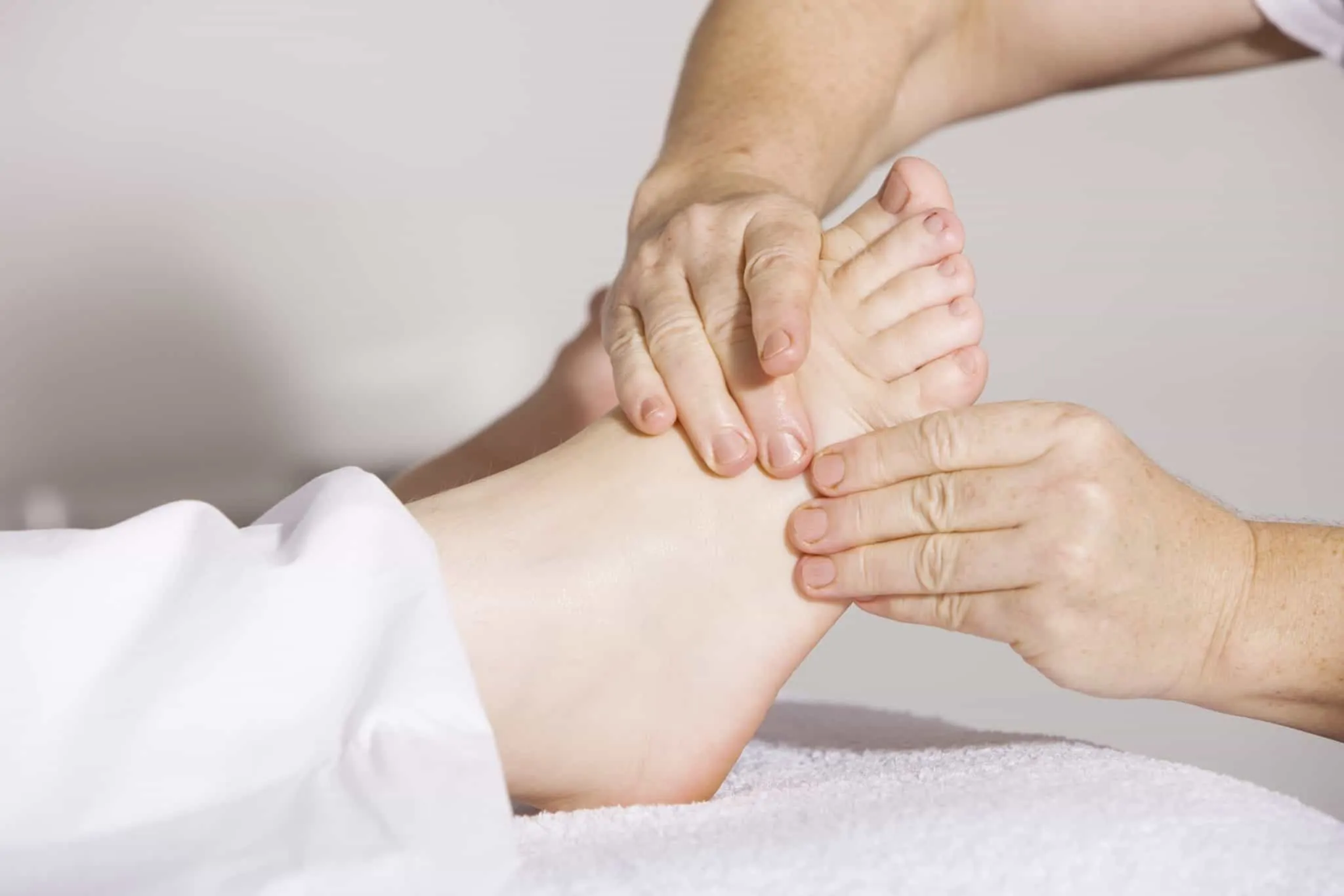
naturopathic care for feet, foot massage They’re there; they aren’t particularly attractive; they only serve to get us around.  Most of us don’t give much thought to our feet.  That is until they start to give us problems.  Americans spend tens of millions of dollars each year on foot care products.  But there are many items you may have around the house that will help to take good care of your feet.



Essentials for Feet

There are some rudimentary essentials for keeping our feet healthy.  A good diet is important – one low in junk foods and rich in nutrients.  Consider a diet balanced in carbohydrates, proteins and fats.  Stay away from processed foods and “junk” foods.  And maintaining a proper weight for your frame will put less stress on the bottom of you skeleton too.

Proper Footwear

Proper footwear is a necessity.  This is not the place to “cut back” on your clothing budget.  Good shoes are needed for protection as well as support for your feet.  Add these to plenty of water, regular exposure to fresh air, proper exercise, and safe amounts of sunlight and you can have the healthiest feet around.

Helps for Hurting Feet

There are some “helps” though for those of us whose feet need some tender, loving care.  For example, if your feet are “burning” (and you’re not standing on hot asphalt!) you may have contracted the ever-present “athlete’s foot”.  Herbals that help this condition are Una De Gato (Cat’s Claw), tea tree oil applied externally, or grapefruit seed extract as a wash (ensure it is diluted!).   Internally, ensuring that you have a healthy colony of friendly bacteria (bifodophilus), sufficient vitamins A and C, and the mineral zinc will also be helpful.

Another cause of “burning” feet is chemical toxicity.  Did you step in a chemical spill at work, or spill toxic materials on your feet?  If so, herbs like juniper, parsley, uva ursi, dandelion, and chamomile will help flush the kidneys, capsicum will improve circulation to move the toxins, and milk thistle combinations will help detoxify the liver (our body’s main filter!).

For sore, achy feet try this foot relaxer.  Soak your feet in a basin of warm water to which you’ve added some shower gel and six drops of tea tree oil.  After 15 minutes or so dry your feet and massage them with two tablespoons of olive oil mixed with a tablespoon of sugar.  The sugar will act as an exfoliant.  Then re-soak the feet, dry them well and elevate them for a few minutes.  What a wonderful way to pamper yourself!

Another soak that I have found very relaxing when my feet were particularly tired or overworked is to bring a pan of water to a boil.  Then place two tablespoons of dried yarrow in a tea infuser or cheesecloth and steep it for five to ten minutes.  Add five drops of tea tree oil, five drops of eucalyptus oil and five drops of lavender oil.  Allow this to cool until it is comfortable to the touch, pour it in a basin with glass marbles in the bottom, and soak your feet in it for 15 to 20 minutes.  While you soak them, roll the marbles under your feet slowly.  It’s almost as good as a massage done with your fingertips.

Daily Foot Care

Most of us simply neglect our feet.  Simple things go a long way toward keeping them healthy.  Wash them thoroughly when you bathe.  Ensure they are completely dry.  Massage them vigorously and often with a nice oil and let them breathe a bit.  Use dry socks and change them whenever they get damp.  Alternate your shoes daily so that they get a chance to dry completely.  And take advantage of opportunities to get off your feet and, when feasible, elevate them.  They’ll say thanks in a most comfortable way.  Enjoy good health and God’s richest blessings.  Gen.1:29.

–  Randy Lee, ND, Owner, The Health Patch, 1024 S. Douglas Blvd, MWC 73130, phone/fax: 736-1030, e-mail: [email protected].