 Memory is one of those things we don’t think much about unless we start to lose ours. It is as natural as breathing and done almost as unconsciously. Lapses in memory are common for all of us and are an annoyance, but the anxiety that accompanies these feelings of possible loss is even more of a concern to us. We fear it may be only a symptom of some larger problem: depression, arteriosclerosis, or a progressive Alzheimer’s disease. And while these may be real problems for many people, it is important to note that these temporary memory losses are common and may have little to do with permanent, degenerative conditions.
The idea that all people will suffer memory loss as they age is not necessarily true. We all know of people well past eighty years of age that are still “as sharp as a tack.” One of the primary causes of memory loss is an insufficient supply of necessary nutrients to the brain. Let me quote from the book Prescription for Nutritional Healing. “The life of the body is in the blood. It literally feeds and nourishes every cell within our bodies. The brain is surrounded by a protective envelope known as the blood-brain barrier, which allows only certain substances to pass from the bloodstream into the brain. [Certain conditions can], over time, result in the brain becoming malnourished.” Add to this problems such as poor neurotransmitters, exposure to free radicals from our environment, wide swings in blood sugar levels, and the use of toxins such as alcohol and drugs, and it is easy to see that encroaching memory loss can be a result.
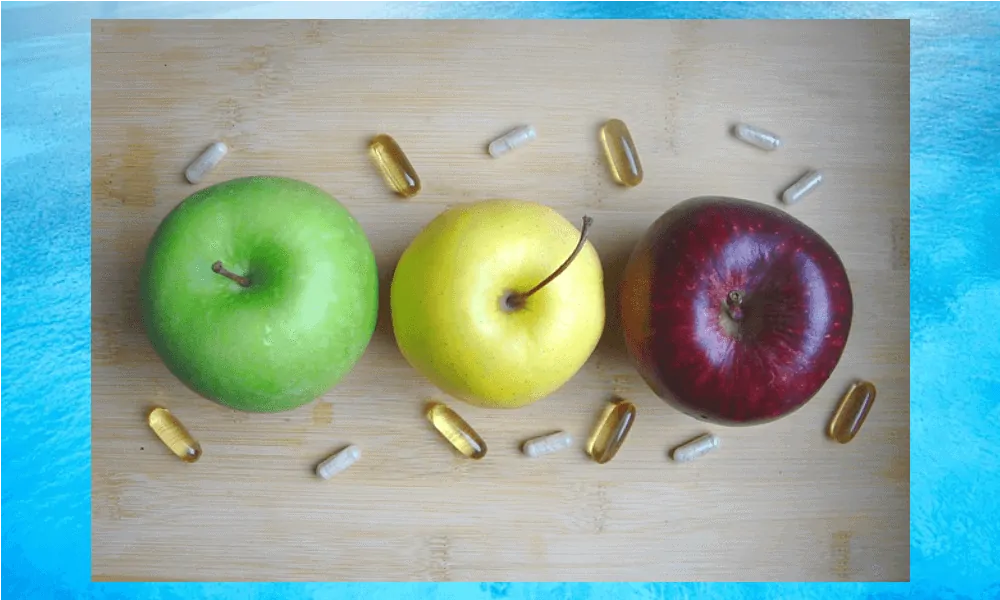
What can you do to ensure that you keep your brain fed? Certain vitamins and minerals are certainly needed, such as a good B-complex, the antioxidants C and E, and zinc, manganese and choline. Lecithin helps “lubricate” the neural synapses. The amino acids l-glutamine and l-aspartic acid serve as fuel for the brain and prevent excess ammonia from damaging it. And l-tyrosine helps sharpen awareness. Some research shows that Coenzyme Q10 improves brain oxygenation, and the hormone melatonin is a powerful antioxidant that may prevent memory loss.
Then there are the herbs. Much attention has been given by the news media to ginkgo biloba. This herb decreases capillary permeability and, in the brain, improves neural activity, increases cerebrovascular circulation, protects membranes and restores serotonin receptors. Much of the recent research has concentrated on its ability to increase blood flow to the brain specifically. Another herb that acts similarly is gotu kola. It has long been used in Ayurvedic (East Indian) medicine as a tonic for memory loss. Other herbs that are helpful for memory are anise, blue cohosh, ginseng, Omega-3 Essential Fatty Acids and rosemary.
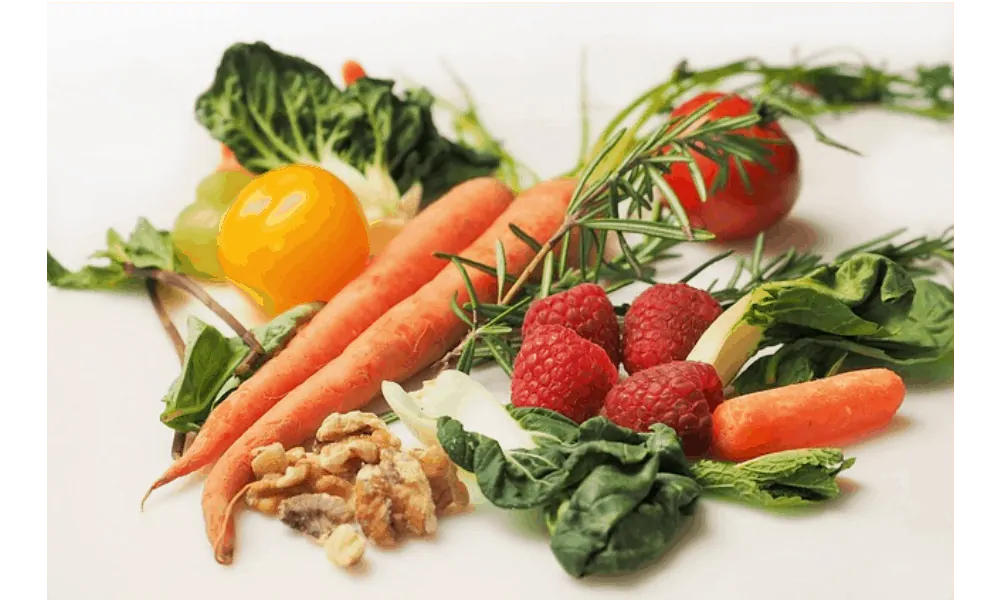
Foods that are helpful in maintaining memory functions include brown rice, farm eggs, fish, beans, nuts, tofu, whole grains, and most raw foods. Be sure to combine your carbohydrates with proteins and essential fats. Purely carbohydrate meals inhibit memory functions. Foods to avoid include dairy and refined sugars. They tend to “shut the brain down.”
Like the rest of the body, the brain responds well to exercise. Use it! Focus on things you need to remember. Practice word puzzles, adding columns of numbers, or memorizing Bible verses, poetry, or phone numbers. Keep learning; gain a new hobby; go back to school. Anything that “exercises” the mind will help to keep it young. Activities that don’t require us to think help rob us of our ability to think.
As with all our body systems, the brain needs water, nutrition, exercise and rest – all in good balance. May you enjoy good memory and good memories throughout your life. Enjoy good health and God’s richest blessings. Gen.1:29.
– Randy Lee, ND, Owner, The Health Patch – Cultivating Naturopathic Care for Total Health, 1024 S. Douglas Blvd, Midwest City, OK 73130, phone/fax: 736-1030, e-mail: pawpaw@thehealthpatch.com.
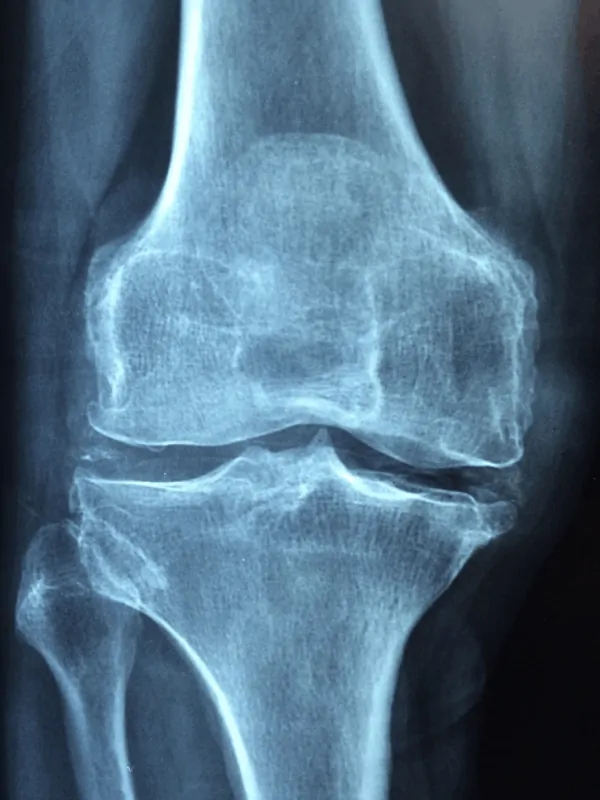


 Painful joints affect millions of Americans. Basically, they are inflammation issues, but the inflammation may have a variety of roots. Recent research says delayed food allergies may cause joint diseases. And there are other diet and weight issues to consider, too.
 I’ve always made it a practice to really enjoy the holiday season. So from Thanksgiving until the New Year, I eat pretty much whatever I want. I enjoy all the festive foods, and I always know that many of them really aren’t that good for me and that I’ll probably pick up a few extra pounds. So after the new year begins, I make cleansing a top priority.
 We have many friends and customers who suffer constantly from chronic pain and yet question the side effects of many over-the-counter and other common medications. To address these concerns and recent news stories, we recommend a variety of alternative herbal supplements. Many are for general pain and some focus on specific body systems.
 Usually, when we get sick our aim is to alleviate the symptoms. We simply want to quit hurting and suffering and feel better. So, we look to those who can offer us relief and not really healing. Relief may lessen the symptoms that cause us discomfort and stress, but may not do anything to actually alleviate the root causes of that discomfort, causing us to feel better temporarily, but the symptoms return as soon as the medication (whatever it is) wears off.
 Stress and Fatigue
 It’s that time of year again. The kids lament and the moms breathe a sigh of relief. Summer seems to get shorter and shorter, and ever more full of activities. So there is little time for rest and then it’s back to the routine of homework and school activities. What can we do to help our kids get the most from their school experience? Here are some ideas.