Image

Author Archive for Randy Lee – Page 17

Detox Options

Many of the things we eat routinely can not only be “not good for us,” they can often be toxic.  Add these effects on our bodies to the others we encounter every day (smog, air pollution, industrial pollutants, household cleansers, food preservatives and dyes, chemical fumes, car exhaust, normal metabolism, poor elimination of food, waste products in the blood from illness or disease…), and we can see that we can really have our bodies bombarded with toxins.  The inevitable consequences are further disease or debility.  Cleansing (detoxification) should be a recurring part of our normal routine. I personally follow a routine that includes a monthly detoxification – perhaps an organ or a body system or a whole-body cleanse.

Periodic cleansing has been included in recorded history for millennia.  Traditional health practices of many nations – Chinese, Europeans, Ayurveda, Native American, and Asiatic Indians – practiced and still continue some form of detoxification.  In early American history, the Pennsylvania Dutch ate wild greens like lettuce and dandelions and other herbs in the spring to cleanse their bodies after a long winter of heavy foods.  Native Americans used black teas made from yaupon hollies to produce sweating and bowel evacuation.  One writer even suggests “nature herself seems to suggest the importance of detoxification … many of the plants that burst forth in early spring are cleansing in nature.”

There are many ways to cleanse.  The program you choose may last only a day or two or a week or two.  It may even take the form of a recurring dietary change.  Most of us know of foods that seem to “go right through us … a hint that they may be added to our personal cleansing program.  And some foods seem to work for most everyone – e.g., fresh cherries, available in early spring, have a definite cleansing effect on the bowels and help eliminate the uric acid buildup linked to heavy meat consumption and diseases like joint problems or gout.  Fasting often accompanies detoxification regimens as well, but we’ll make that the subject of a future article.

I personally enjoy using herbs and herbal combinations to cleanse.  The phytonutrients in many of the herbs encourage the body to detoxify naturally.  And as a rule, we should be sure to cleanse the eliminative organs (kidneys and liver) and the blood and lymphatic systems, as well as the intestinal system.

Combinations for the organs should include herbs such as milk thistle, burdock root, barberry root bark, and dandelion root.  Adding lecithin and amino acids to your diet are also helpful especially for the liver.  The blood and lymph glands also benefit from the dandelion and burdock, and combinations for them should include red clover, Oregon grape root, butcher’s broom, garlic, pau d’arco bark and yellow dock.  Cleansers for the intestine include natural laxatives like cascara sagrada and senna leaves, high-fiber “scrubbers” like psyllium hulls, and parasite killers like artemisia, black walnut hulls, and elecampane.

Regular cleansing and detoxifying (at least two to four times per year) along with good nutrition, exercise, and proper supplements will add quality to your life and ward off many of the diseases that rob us of real joy.  Our improved distribution systems make most foods available to us year-round, so we tend to forget the cycles of nature. Start your own cleaning program and see how much better you feel.

–  For more information, contact Naturopathic Doctor Randy Lee, owner of The Health Patch at 1024 S. Douglas Blvd, Midwest City, at 405-736-1030 or e-mail [email protected] or visit TheHeathPatch.com.

Reflexology

Years ago I heard an illustration regarding the importance of each of us doing our part to make the world a better place.  It used the Biblical picture of us all being a part of the body, and noted that most of us think of the foot as being relatively unimportant – until we stub a toe!  At that moment all the energies of the rest of the body are concentrated toward that hurting member.  Thus it is with our feet.

If I were to take a survey (as I often do in some of our classes), I’d find that most of us spend quite a bit of time applying cosmetics to our faces, washing and fixing our hair, bathing our bodies, and perhaps even getting massages and spa treatments.  But little attention is paid to our feet until they begin to give us trouble.  If we are in a career that requires us to be on our feet for extended periods of time, then we are more apt to pay attention to them.  Or if we hurt them in some way, then they get some attention.  But they need that attention regularly in a preventive role as well.  We need to realize their importance to our overall well-being.

How much do you know about your feet?  On average, each foot contains 26 small bones, 114 ligaments, and some 20 muscles.  These are held together by connective tissue, blood vessels, and nerves and covered with layers of skin. Your feet contain about a quarter of all the bones in your body and they are the foundation of your whole skeletal structure.  They support your whole upright body weight throughout your life.

Over a century ago, the feet were “charted”.  It was noted that the feet were particularly sensitive in spots that directly related to areas of distress in the body.  So a chart was created that linked areas of the feet to specific portions of the body.  Thus “reflexology” was born.

In her book on Reflexology, Inge Dougans states, “Reflexology is a gentle art, a fascinating science and an extremely effective form of therapeutic foot massage that has carved an impressive niche in the field of complementary medicine.  It is a science because it is based on physiological and neurological study and an art because much depends on how skillfully the practitioner applies his or her knowledge, and the dynamics which occur between practitioner and recipient.”

She later continues, “Reflexologists do not isolate a disease and treat it symptomatically, nor do they work specifically on a problem organ or system, but on the whole person with the object of inducing a state of balance and harmony.  The art of reflex foot massage must not be confused with basic foot massage or body massage in general.  It is a specific pressure technique which works on precise reflex points on the feet, based on the premise that reflex areas on the feet correspond with all body parts.  As the feet represent a microcosm of the body, all organs, glands and other body parts are laid out in a similar arrangement on the feet.”

And since the nerves of the feet are “linked” to various parts of the body, it stands to reason that the use of essential oils and aromatherapy may also enhance that feeling of completeness.

So what does all this mean to you and me?  Well, we all enjoy a good foot massage, don’t we?  But there may be times when we are particularly stressed in some portion of our lives or some part our bodies and we may want to seek out the advice and counsel of a competent reflexologist.  Knowing just how much pressure to place on just the right spot on our feet may be “just what the doctor ordered” to bring us a renewed sense of well-being.  Good health and God bless.

–  For more information, contact Naturopathic Doctor Randy Lee, owner of The Health Patch at 1024 S. Douglas Blvd, Midwest City, at 405-736-1030 or e-mail [email protected] or visit TheHeathPatch.com.

Food Allergies

Though food sensitivities take many forms and various levels, most of us begin to have allergies to foods as we age – even foods we once enjoyed.  Did you ever wonder why?
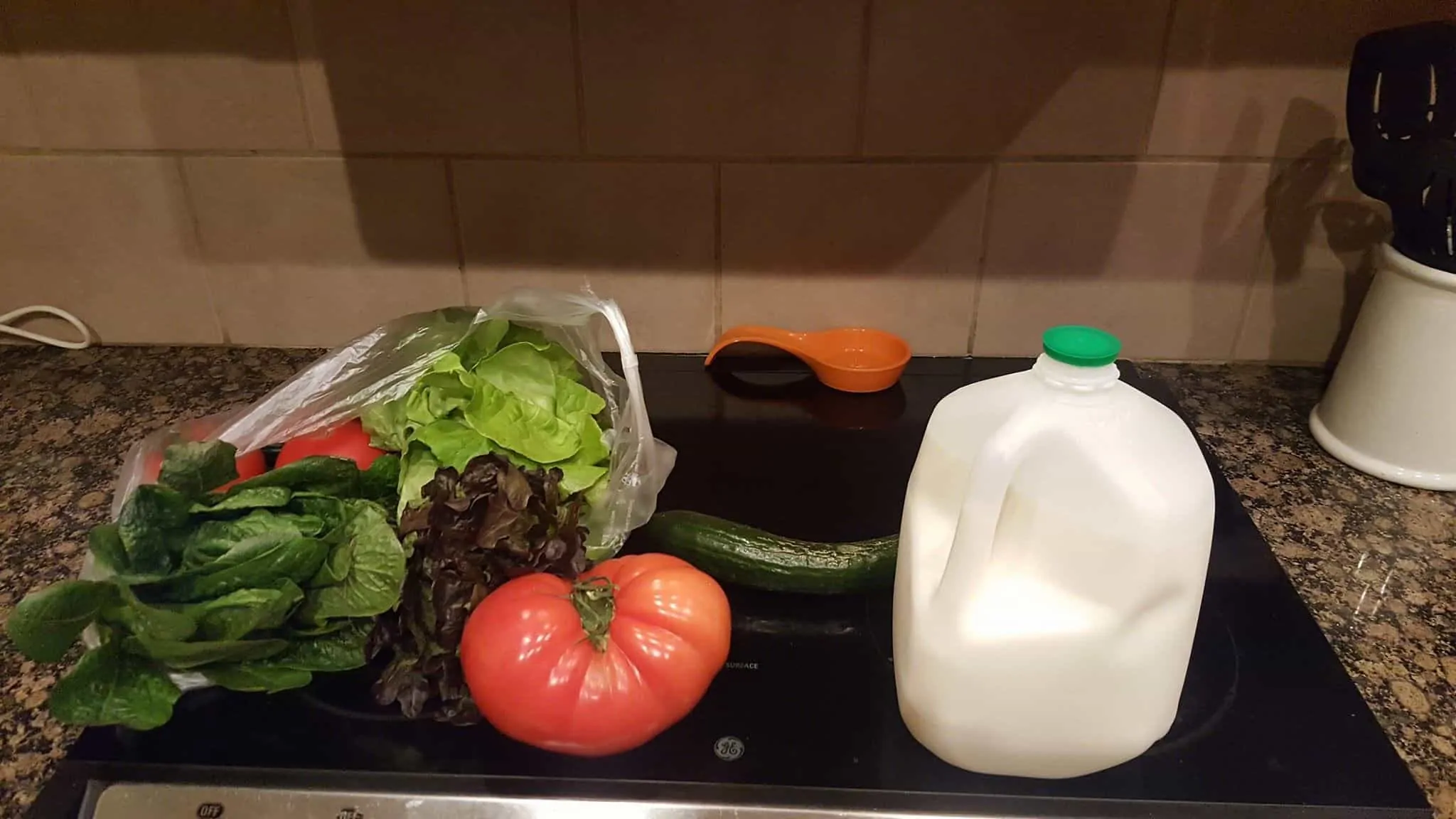
When we put things in our mouths, the body asks “can I digest that?” If it is something the body can readily digest, it considers it “food”, and begins the digestive process.  This will mean the body has the enzymes and nutrients to turn the substance from its raw form to a form from which it may extract the nutrients and distribute then throughout the body. But as you age, your pancreas may lose the ability to produce some of the enzymes it needs.

So if the body says “I can’t digest this!” it considers it a foreign substance and begins the process of refusing it.  It produces “allergic” reactions to kill, compartmentalize, or expel the matter:

– specialized cells are generated to “kill” the invader

– mucous is produced to smother it

– coughing and sneezing start to expel it

– fever may be raised to “burn it up”

– tearing may occur to wash it out

While we call these “allergic reactions”, they are a valuable part of our immune system – they keep the “foreign material” from harming us.

So, what can we do when these reactions start?  Well, obviously we can stay clear of the foods that cause the reactions. But often we can just take a supplemental enzyme to “digest” the matter. This is especially true if it is foods that we once enjoyed and digested well.

Remember, many food sensitivities may be much more critical – don’t treat them lightly.  While this won’t work for all food sensitivities, it may be a welcome relief for those who develop allergies to once-cherished foods later in life. You may not have to give up many of your favorite foods just because “old age” is slowing you down!

–  For more information, contact Naturopathic Doctor Randy Lee, owner of The Health Patch at 1024 S. Douglas Blvd, Midwest City, at 405-736-1030 or e-mail [email protected] or visit TheHeathPatch.com.

How to Get Energy

Your Health – Your Responsibility

Most of us as adults have long since come to grips with the fact that we have to take responsibility for our own actions in every area of our lives.  Genetics certainly play a part in our physical makeup, but given those constraints, we can challenge ourselves to make the most of what we are.  For example, we can’t make ourselves taller or shorter, but we can make ourselves lighter or heavier.

Your body is made up of trillions of cells.  They are organized into tissues, organs and body systems (respiration, circulation, digestion, etc.).  To function in the manner in which God intended it, it needs five important things: oxygen, pure water, food or nutrition, elimination, and homeostasis (that’s a big word meaning an even temperature).

We get oxygen in the air we breathe, but we can increase the amount of oxygen entering our systems with exercise.  In fact, many of our body systems (for example, the lymphatic system which has so much to do with our immune system) have no “pumping mechanism” – as the circulatory system has in the heart!  And therefore, without exercise, it has no means of moving its waste.  We can find positive benefits that stem from exercise in every body system.  Increased exercise means improved health.

Water is absolutely essential for life.  Most of us could live for six weeks or more before we suffered permanent, life-threatening consequences from lack of food, but only days without water could kill us.  Most of the reference works I’ve encountered state that for optimum functioning we need to take in six to eight 8-ounce glasses of water every day.  And that’s water intake – not soda, coffee, or other liquids.

As for nutrition, Dr. Joel Wallach (1991 Nobel Prize nominee for his work in nutritional supplements) states that we need 60 minerals, 16 vitamins, 12 essential amino acids, and three essential fatty acids in our diet every day to really stay healthy for life.  And that doesn’t count the addition of other herbal supplements that may be needed to help combat “family histories” for disease.  For example, you may need additional supplements if your family has a genetic history of cancer, heart disease, arthritis, etc.  And there’s a real sense of truth in the old adage “you are what you eat”.  Your body isn’t going to function well on a daily diet of junk foods, fats, and sugars.

Elimination is simply the process of expelling the waste materials that remain after our bodies have extracted the nutrients that exist in the foods we eat.  Many things we eat can’t be digested.  Many fibers are just for “sweeping out” our systems.  Many environmental factors contribute to toxins in our bodies.  And waste material rots in our intestine if not eliminated in a timely manner.  Toxins remaining in our intestine too long can be reabsorbed and redistributed through our bodies contributing to a variety of diseases.

And our body temperature will normally rise a bit when it is fighting infections.  But if our immune system is strong and intact, it should return to normal in a short period of time.

There you have it … the five things necessary for good health and a long life.  So who is responsible for ensuring that these things are available to you?  YOU ARE!  If a good, long, healthy life is a priority for you, then you need to learn what is and what is not good for you.  You need to practice discipline in exercise and proper nutrition, and becoming aware of the signals your body sends you of impending crisis.

So, are you ready to accept responsibility for your own health?  True, your genetic predispositions may have “dealt you a difficult hand” but what you make of your health is truly your responsibility.  Want to make a change in your health condition?  Don’t depend on someone else to tell you what to do.  Study what supplements may be available, and then commit yourself to a healthy exercise and nutrition program.  Live long and in good health.


Randy Lee, ND, Owner, The Health Patch, 1024 S. Douglas Blvd, MWC 73130, phone/fax: 736-1030, website: http://thehealthpatch.com, e-mail: [email protected]. All of our staff are now offering affordable private consultations!

Personal ND Health Care Can Be A Game Changer

photo_48899_20151116 With rising health care costs many of us have turned to self-care as our primary health initiative. We ask family and friends for advice and spend time reading labels in the over-the-counter meds section of the grocery store looking for our symptoms.

Wouldn’t you like to have another alternative that gave you access to a professional to help track your wellness journey but cost less than traditional medicine? How does a full hour with a Doctor of Natural Health for only $30* sound? Would that be a “game changer” for you?

Naturopathic Doctors (NDs) advocate the use of Vitamins, Minerals, Whole Foods and Herbal Supplements (Alternative Medicine) to help you attain and maintain wellness.  They don’t diagnose, treat, or cure named diseases, but they analyze body systems and listen to you as you describe your ailments.  They pay attention to your family health history. And they keep records of your progress from visit to visit.

No one knows your body like you do. Taking charge of your own health and having a personal ND to train and guide you could be the Game Changer you’ve been missing.

*A common average; initial intakes may be more.

–  Randy Lee, ND, Owner, The Health Patch – Cultivating Naturopathic Care for Total Health, 1024 S. Douglas Blvd, Midwest City, OK 73130, phone/fax: 736-1030, e-mail: [email protected].

Music for the Soul

a7e7690db6b64bafb1214361fee05665 This month’s theme is right up my alley!  I’m now a Naturopathic Doctor, but I “began my life” as a musician with an undergraduate degree in music! So now I blend “body and soul” with herbs for the body and music for the soul! I greatly enjoy the pairings. When I’m happy and energetic, I enjoy bee pollen, Co-enzyme Q-10, Gotu Kola, or Ginkgo Biloba for my body paired with Beethoven’s Fifth Symphony, the Ode to Joy, 50s rock & roll or some upbeat hymns for my soul.

When I’m experiencing something like Neal Diamond’s Song Sung Blue, I pair any of a number of our suppliers Mood Elevator formulas or a bit of 5-HPT or St. John’s Wort for my body with Wagner’s Elsa’s Procession to the Cathedral, any of a number of the Star Wars themes, or a more contemporary, uplifting Abba song for my soul.

A well-known cliché says “music calms the savage beast.”  So often anger brings me to essential oils like lavender or rose, a calming magnesium tonic, or a cup of chamomile tea for my body, or a soothing harp concerto or a rousing rendition of a song like Queen’s We Are the Champions to revitalize my soul.

Are you ever just so tired that you feel like you can’t make it through the day? Try an energy boosting dose of Guarana or a cup of green or black tea for its natural caffeine boost, or an energizing peppermint or citrus essential oil applied topically to the temples, or a foot-tapping march by John Phillip Sousa for your soul.

Trouble sleeping? Hormones like melatonin or an Herbal Sleep tonic may help the body, and we all know the soothing effects of a lullaby for the soul.

Needless to say, there is always an herb for the body and a song for the soul for every emotion you may be experiencing and for all of life’s feelings. Pair them for doubling their effects and enjoy every facet of your life. Enjoy good health and God’s richest blessings.

–  Randy Lee, ND, Owner, The Health Patch – Cultivating Naturopathic Care for Total Health, 1024 S. Douglas Blvd, Midwest City, OK 73130, phone/fax: 736-1030, e-mail: [email protected].

As Sweet As… Well, Stevia!

You might be looking for an alternative to sugar — one that doesn’t carry a warning label, or affect your health the way sugar does. You’re in the right place. Let’s talk about the “sweet little secret” from South America.

Much of the world uses a natural herb named Stevia Rebaudiana to sweeten things like soft drinks, candy, gum, cakes, pies, ice cream, pickles, seafood and vegetables. It’s a small, perennial shrub native to Paraguay, Brazil and Argentina. It’s grown in China, Japan, Malaysia, Israel, all over South America and many other places.

Read More →

Aloe Vera – A Boon to Your Home

You may be looking for relief from a skin condition. Or maybe you’re interested in the many benefits of Aloe Vera and how you might cultivate the plant in your home. In either case you’re in the right place.

Sometimes called “Lily of the Desert” and “Medicine Plant,” Aloe carries a worldwide reputation of being a plant that heals. It’s one of the oldest known therapeutic herbs. Greek history from 2,000 years ago relates that Aloe was a true and effective treatment for everything from constipation to burns to kidney ailments. And it’s believed that the Egyptians used the Aloe plant in their secret process of embalming. Not exactly a household use, but there’s much more to the wonderful Aloe plant.

Read More →

Aromatherapy – The Nose Knows (and so does the body)

Do you remember entering your grandmother’s kitchen and being greeted by the aroma of fresh bread in the oven?  How about the smell of a hot apple pie, the spicy pungency of your dad’s aftershave, or the scent of the earth right after a spring rain?  I have a friend who has, with age, lost her sense of smell and she often tells me how much real joy has been lost in her life as a result.

For several years I taught a ten-week course on herbs for the various body systems and every time we got to the digestive system I asked, “Where does the digestive process begin?”  Obvious answers are “on the tongue” or “in the mouth.”  But the real answer is “in the nose.”  That’s right.  As soon as we smell our food, in anticipation, our bodies begin to secrete digestive juices in both the mouth and the stomach.  That’s one reason it is so important to “prepare” to eat our meals.  Smell the aromas.  Savor the smells.  Take time to chew and enjoy the food.

Read More →