Image

Archive for Natural Health Regimens – Page 5

Gut Healing Ideas!

This blog is basically partial summaries of two resources that I have thoroughly enjoyed. They approach gut-healing from two separate perspectives. The first is from a Steven Horne publication. We have purchased several copies of the full copyrighted material and will provide you a copy as long as they last if you come by The Health Patch and ask for one, or we will give you the address if you wish to procure multiple copies for your own use. The second is from an online website called Viome.com – a site owned by Viome Laboratories. They also do extensive work and research dealing with gut health. Both provide excellent ideas for helping you heal your gut.

Dr. Horne lists four specific practices to help you in your efforts to heal your gut.

  • Improve your elimination. Your gut can’t heal adequately if you are experiencing poor bowel transit times. He references practices and products to help improve bowel elimination
  • Eliminate irritants. He suggests avoiding grains containing gluten, refined sugars, high fructose corn syrup (they feed bacteria), substances that disrupt the friendly flora (antibiotics, NSAIDS, etc.), pesticides, food additives, GMOs, and other personally problematic substances such as dairy, nuts, eggs, nightshades, citrus, and shellfish.
  • Balance you gut flora. Fight yeast, substances that cause belching and bloating, and take good probiotics.
  • Nourish the intestines with a good variety of foods and supplements.

The Viome article lists activities which may help enlarge your access to a greater variety of microbiomes.

  • Test your gut microbiome. You can contact them on their website and get a scientific test that will find exactly which foods you should eat to boost the beneficial bacteria and bring balance to YOUR microbial ecosystem. Remember, we are all different!
  • Get outside and play. There are more varieties of beneficial microbes outdoors, but most of us don’t live or play outdoors these days.
  • Try intermittent fasting. Certain bacteria thrive in a calorie-dense environment, while others thrive in a calorie-scarce environment.
  • Get plenty of sleep. And it needs to be restful sleep!
  • Exercise the right amount. Exercise has been shown to enrich diversity, and increase beneficial bacteria.
  • Stick to a schedule. Many of our gut microbes run on a circadian rhythm.
  • Get a pet. Microbes on your pet increase your overall microbial diversity.
  • Keep your home microbiome healthy. Actually, being too clean may reduce beneficial microbe exposure.
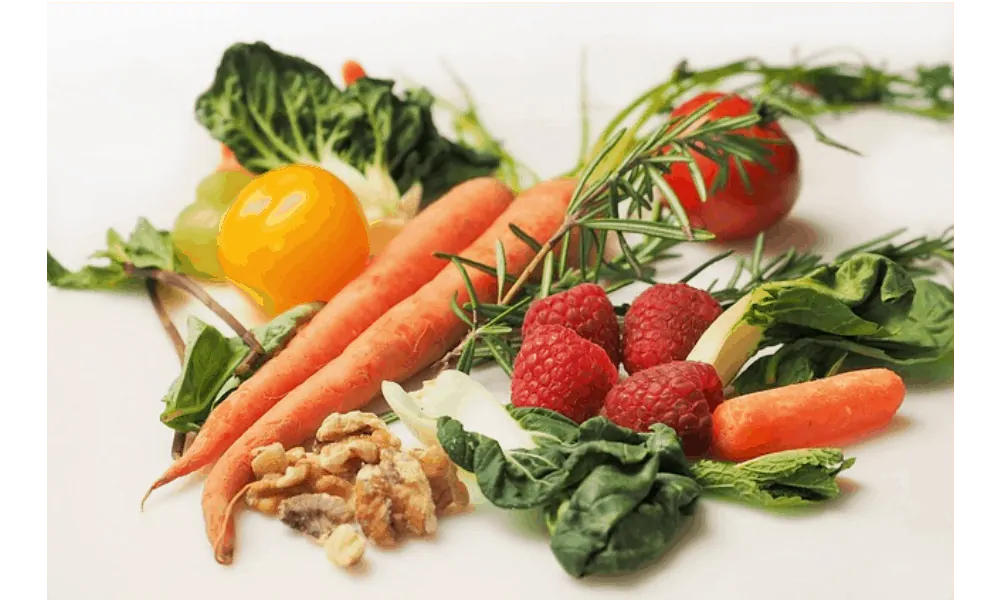
  • Choose local, organic veggies. Enough said!

Gut health is not a diet. It is not a program. It is a lifestyle!

– For more information, contact Naturopathic Doctor Randy Lee, owner of The Health Patch at 1024 S. Douglas Blvd, Midwest City, at 405-736-1030 or e-mail pawpaw@TheHealthPatch.com or visit TheHeathPatch.com. Check out our blogs and podcasts under “resources” on our website each week for related topics.

The Importance of Exercise

exercise, natural, health

We all know that exercise is important. It is certainly one of the practices that we need to incorporate into your life to ensure that we have a healthy, fulfilling life when the entire world around us seems to be falling apart. Most can recall the increased activity levels of our youth, but we seem to let go of the motivation to “move” as we age. Life gets busy and the gym loses its priority, and after a long day of sedentary work, we just want to relax. So a mental acknowledgment of the importance of exercise gives way to the practicality of daily living. Is that really so bad?

Truthfully, no healthy lifestyle is sustainable without proper exercise. I’m not suggesting that every person need to go spend hours in a gym every day or even that you have a gym membership. But “movement is necessary for health. Let’s look at some reasons.

Of primary importance is the fact that several of our body systems depend on movement to function properly. The circulatory system has the heart at its center – a pump that forces blood through arteries, veins, and capillaries to get nutrients and oxygen to all our cells. But look at three of these systems:

  • The respiratory system provides oxygen to the circulatory system for disbursement. But the amount of oxygen we have to send is dependent on how much is in the lungs. Deeper breathing, like that that accompanies exercise, provides the needed oxygen. And the bottom parts of the lungs may fill with fluids if we don’t breathe deeply regularly. Carbon dioxide is toxic and can stay for long periods of time in the lower lungs if we don’t breathe deeply – e.g., exercise!
  • Elimination from the digestive system requires movement. There is no digestive “pump”. Movement of nutrients from digestion throughout the digestive systems depends on the peristalsis that comes from muscles pressing against the intestines and colon. Bowel “movements” require movement!
  • The lymphatic system is the system that removes dead cells from within the body. It is estimated that the body is made up of some 50-100 trillion cells and about 300 million of them die and are replaced every minute. Those in the digestive tract are generally removed through the digestive tract, but the remainder is removed by the lymphatic system. And it requires muscle contractions to move dead cells through peristalsis. Without exercise, those dead cells just rest and putrefy inside your body contributing to disease.

Most publicity about exercise centers on weight management. You probably know a lot about that already, so I’ll just point out that a pound of body weight equals around 3500 calories. We have machines to measure your metabolic rates. Each person’s rates are different and depend on factors such as current weight, exercise levels, types of foods consumed, and caloric intake. For most people, the rates run around 1200 to 2500 calories burned per day. If you consume more than you burn, you gain weight. Exercise not only burns calories, but it also raises your metabolic rate, making it easier to burn more.

And one writer I read recently stated that “a sedentary lifestyle is the new cancer.” I know of many people who decide to retire from work and then go home, sit down, watch TV, and die within a couple of years. We were created for movement.

Whether you exercise to feel better, to lose weight, to look better, or to help prevent disease, know that it helps in all these lifestyle factors. Get moving!

For more information, contact Naturopathic Doctor Randy Lee, owner of The Health Patch at 1024 S. Douglas Blvd, Midwest City, OK 73130, call 405-736-1030, e-mail [email protected], or visit TheHeathPatch.com.

Which Water is Best

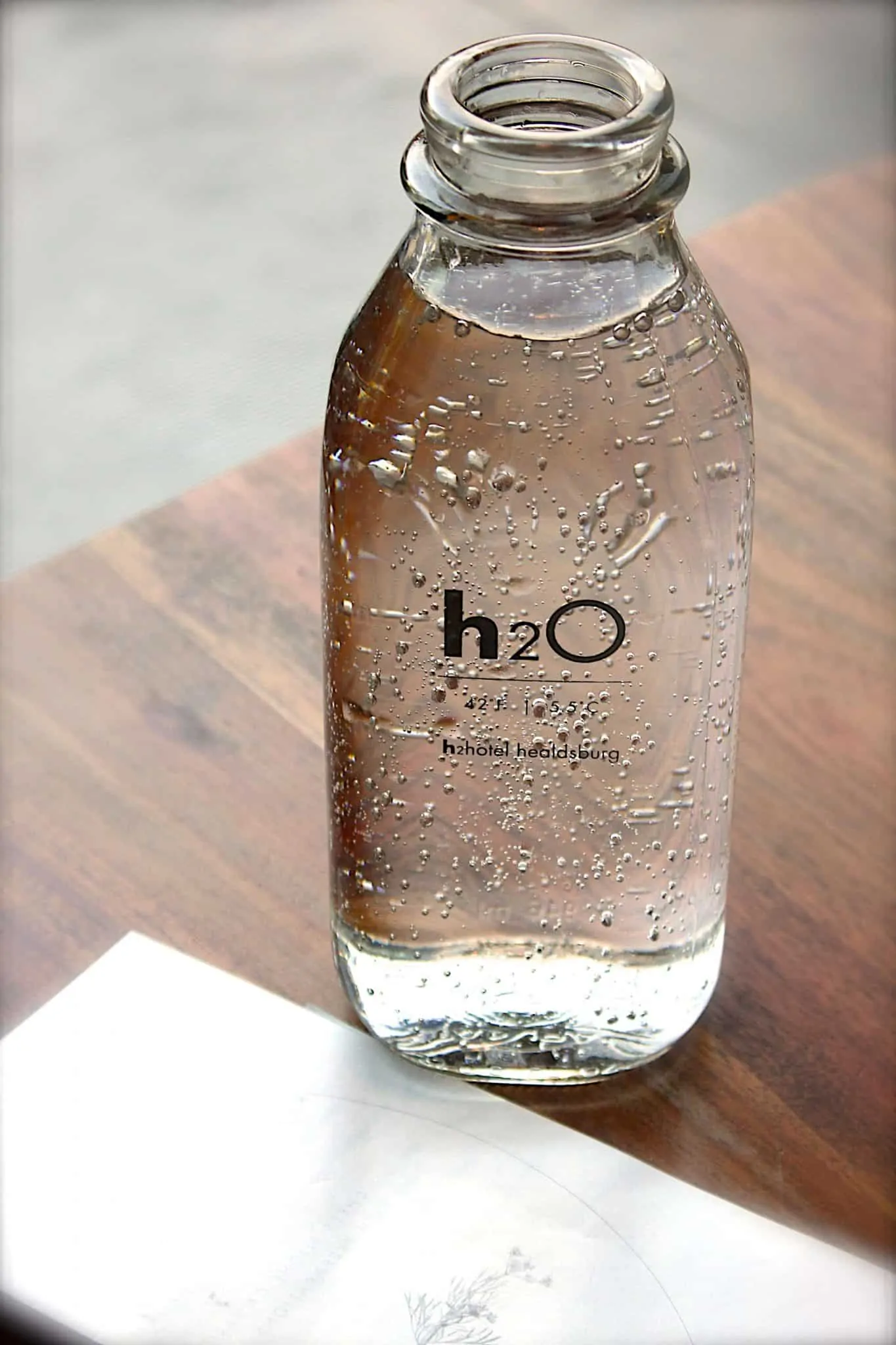
I talk a lot about water. A common question for me is “Does it matter what kind of water I drink?” Answer: Yes! Are you just trying to keep your body hydrated, or do you have “health” reasons for drinking the water?

water, best, natural, health

So what are the common types of water and what makes one different from the other? Answer: Let’s look at some common types and their differences. This is not an exhaustive list, but does cover many of the more popular types.

  • Tap Water. Whether you should drink the tap water or not depends what the tap is connected to. Most “city water” taps are filled with chlorine, fluorine, and other chemicals to provide “water safety”. Many of these chemicals can themselves be toxic. And if you have your own well, you should have it tested to see what pathogens and adverse minerals it may contain. Then you can determine if it is safe enough for your tastes.
  • Filtered Water: You may have a water filter on your well or your water tank or your refrigerator. For many this is sufficient – for cooking, cleaning, bathing and perhaps drinking. This depends on you likes and your health concerns.

And then, popular bottled waters:

  • Distilled water is “dead” water. It has no nutrients at all. It is great for using in home appliances where chemicals may be caustic, but as a drinking water I could only think it useful for some body cleansing purposes where you are seeking to get rid of toxins and cleaning is the end purpose.
  • Spring Water is promoted as natural, and clean. It is simply water with natural minerals, and if from a reputable source and is simply to hydrate may be sufficient.
  • Artesian water is promoted as earth’s finest water. The label from a very popular brand reads “rainfall filters through volcanic rock, adding the vital minerals that give [it] its unique and refreshing taste. The water collects in an active ancient artesian aquifer deep within the earth, where it is protected from external elements.” It is a very popular drinking water, simply for hydration.
  • Some brands are labeled as “ultra-purified”. They address contaminants as “less than one part per million”. Their claim is that there are “no additives”, processed for “fast hydration” and “quick absorption” and a patented process to accomplish this. Purity is their main claim and purity is certainly important, but remember that the body itself also removes toxins and uses what it needs of whatever you consume, casting out impurities and toxins as it can.
  • We carry a black water that gets its color from a blend of fulvic and other trace minerals. It’s a great water if you’re looking for another source of trace minerals normally missing from your diets. And it contains electrolytes.
  • Alkaline waters come in many strengths. The black water mentioned above is one alkaline water. We also have a product called Crazy Water which comes in four different pH levels. Since most pathogens entering our bodies cannot survive in an alkaline environment, this is another way to raise the pH level of your body and reduce some acidity.

You can personally research and determine which type of water works best for you. How does it fit with or enhance other health issues for you. From my perspective, it is most important to get enough of some kind of water regularly to keep your body functioning well. Remember that you need to drink at least eight glasses of water a day to fully hydrate your body systems. That’s about the equivalent of one two-liter bottle a day. Fill a two-liter bottle each morning with “effective” water. Make it a goal to drink it all before bedtime that night, preferably by sipping it often all day long!

For more information, contact Naturopathic Doctor Randy Lee, owner of The Health Patch at 1024 S. Douglas Blvd, Midwest City, OK 73130, call 405-736-1030, e-mail [email protected], or visit TheHeathPatch.com.

Managing Personal Allergies

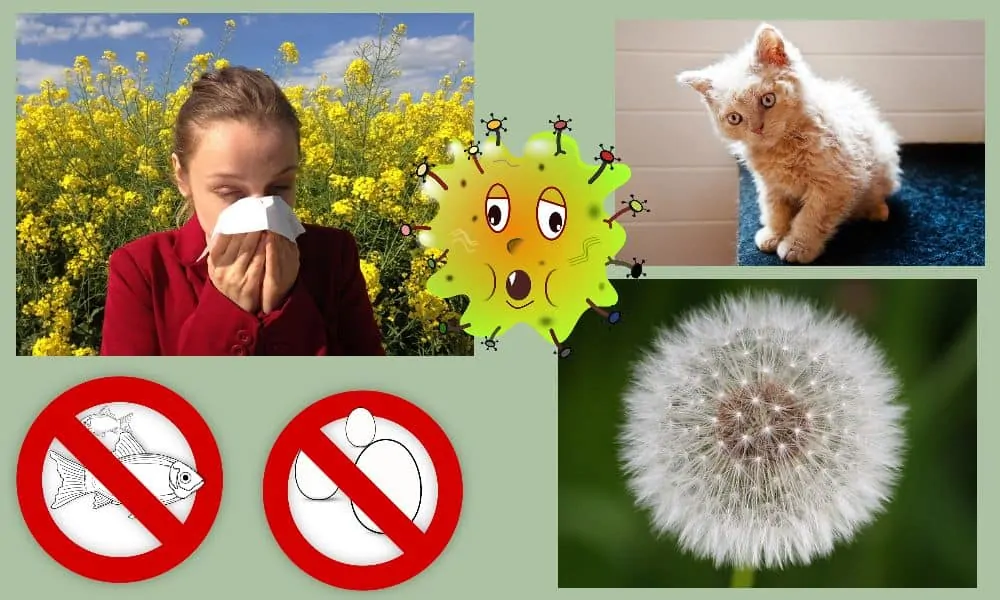
allergies, personal, pollen, manage, managing, cat, fish, eggs, How is your immune system? If it is healthy you probably are one of the lucky ones who doesn’t have a lot of allergies. You see, when we ingest pollens, pollutants, toxins, etc., our bodies have to determine whether it is something natural for our bodies or something that will cause us trouble – e.g., a dietary dilemma, a respiratory resistance, a bowel blunder, or system-wide stress.

If the foreign material is new to us, or our bodies are not able to break it down, then the immune system has to come up with a plan to keep it from breaking us down. This is particularly true with seasonal distresses. We live in central Oklahoma. We recently had a warmer week in the middle of a couple of truly cold periods. I guess Mother Nature thought for a few days that it was turning to Spring, so the Red Cedar trees started to really pour out their pollen. Virtually the whole of the mid-Oklahoma population ran to our shop for anything we had to help them breathe. Histamines poured, nasal passages and sinuses swelled, mucus built and caused coughing, sneezing, and congestion, and dis-ease was rampant.

Fortunately, these are so common that we keep on hand a variety of supplements that block the histamines and minimize the other symptoms. But what can YOU do in these cases?

Be aware of your immune shortfalls. Ask family members what bothers them … they may also be the things that bother you. Particularly ask your parents, grandparents, aunts and uncles what changes they noted as they aged. Be prepared for those seasons that cause you discomfort. Journal! Keep a record of foods that cause you dietary trouble. Stay away from animals that have dander to which you react negatively.

And when you find products that work for your particular allergies, keep some on hand. You may not have a lot of warning when your provokers arise.

I’ve noted a number of new techniques that my customers are able to use to manage their symptoms. Be aware! Look into homeopathic solutions. Consider aromatherapy. Pay attention to the weather and the seasonal changes. No one knows your body or your natural shortcomings like you do.

– For more information, contact Naturopathic Doctor Randy Lee, owner of The Health Patch at 1024 S. Douglas Blvd, Midwest City, at 405-736-1030 or e-mail [email protected] or visit TheHeathPatch.com.

Cleansing – A New Year’s Priority

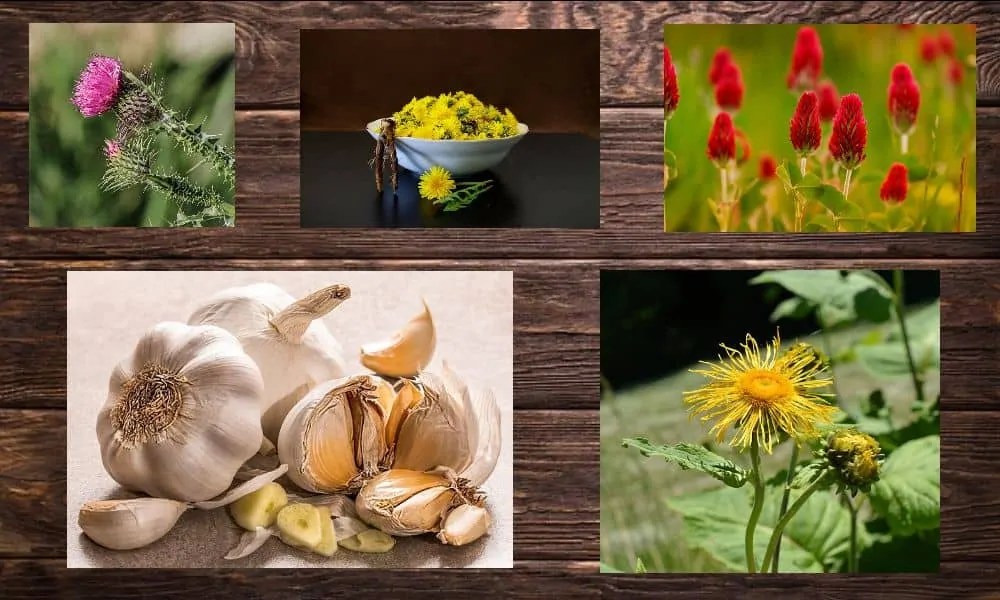
milk thistle, dandelion root, red clover, garlic, elecampane I’ve always made it a practice to really enjoy the holiday season. So from Thanksgiving until the New Year, I eat pretty much whatever I want. I enjoy all the festive foods, and I always know that many of them really aren’t that good for me and that I’ll probably pick up a few extra pounds. So after the new year begins, I make cleansing a top priority.


Many of the things we eat routinely can not only be “not good for us,” they can often be toxic. Add these effects on our bodies to the others we encounter every day (smog, air pollution, industrial pollutants, household cleaners, food preservatives and dyes, chemical fumes, car exhaust, normal metabolism, poor elimination of food, waste products in the blood from illness or disease, …) and we can see that we can really bombard our with toxins. The consequences are inevitably further disease or debility. Cleansing (detoxification) should be a recurring part of our normal routine.

Periodic cleansing has been included in recorded history for millennia. Traditional health practices of many nations – Chinese, Europeans, Ayurveda, Native American, Asiatic Indians – practiced and still continue some form of detoxification. In early American history, the Pennsylvania Dutch ate wild greens like lettuce and dandelions and other herbs in the spring to cleanse their bodies after a long winter of heavy foods. Native Americans used black teas made from yaupon hollies to produce sweating and bowel evacuation. One writer even suggests “nature herself seems to suggest the importance of detoxification … many of the plants that burst forth in early spring are cleansing in nature.”

There are many ways to cleanse. The program you choose may last only a day or two or a week or two. It may even take the form of a recurring dietary change. Most of us know of foods that seem to “go right through us … a hint that they may be added to our personal cleansing program. And some foods seem to work for most everyone – e.g., fresh cherries, available in early spring, have a definite cleansing effect on the bowels and help eliminate the uric acid buildup linked to heavy meat consumption and diseases like joint problems or gout. Fasting often accompanies detoxification regimens as well, but we’ll make that the subject of a future article.

I personally enjoy using herbs and herbal combination to cleanse. The phytonutrients in many of the herbs encourage the body to detoxify naturally. And as a rule, we should be sure to cleanse the eliminative organs (kidneys and liver) and the blood and lymphatic systems, as well as the intestinal system.

Combinations for the organs should include herbs such as milk thistle, burdock root, barberry root bark, and dandelion root. Adding lecithin and amino acids to your diet are also helpful especially for the liver. The blood and lymph glands also benefit from the dandelion and burdock, and combinations for them should include red clover, Oregon grape root, butcher’s broom, garlic, pau d’arco bark, and yellow dock. Cleansers for the intestine include natural laxatives like cascara sagrada and senna leaves, high-fiber “scrubbers” like psyllium hulls, and parasite killers like artemisia, black walnut hulls, and elecampane.

Regular cleansing and detoxifying (at least two to four times per year) along with good nutrition, exercise, and proper supplements will add quality to your life and ward off many of the diseases that rob us of real joy. Our improved distribution systems make most foods available to us year-round, so we tend to forget the cycles of nature. But this year, start your “Spring cleaning” early and start with your body. Good health and God’s blessings!

— Randy Lee, ND, Owner, The Health Patch – Alternative Health Clinic and Market, 1024 S. Douglas Blvd, MWC, 736-1030, e-mail: [email protected] or visit thehealthpatch.com.

Aromatherapy Intro

Do you remember entering your grandmother’s kitchen and being greeted by the aroma of fresh bread in the oven? How about the smell of a hot apple pie, the spicy pungency of your dad’s aftershave, or the scent of the earth right after a spring rain? I have a friend who has, with age, lost her sense of smell and she often tells me how much real joy has been lost in her life as a result.

I teach a ten-week course on herbs for the various body systems and every time we get to the digestive system I ask, “Where does the digestive process begin?” Obvious answers are “on the tongue” or “in the mouth.” But the real answer is “in the nose.” That’s right. As soon as we smell our food, in anticipation, our bodies begin to secrete digestive juices in both the mouth and the stomach. That’s one reason it is so important to “prepare” to eat our meals. Smell the aromas. Savor the smells. Take time to chew and enjoy the food.

Well, there’s certainly more to aromatherapy than eating and smelling our food. Aromatherapy is all tied up in using aromas and the essences of materials to heal. The most common method of doing this is to use the essential oils that are extracted from plants. These essential oils are the very “essence” of the plants. And the oils will contain all the healing properties of the plant material in a very concentrated form. They are the vital energies from the plants and they help to heal us on all our levels – physical, mental, emotional, spiritual. Quoting from Common Scents by internationally renowned aroma therapist Lorrie Hargis, “Essential oils are therapeutic because they have antiviral, antibacterial, anti-fungal, analgesic, calming, soothing and revitalizing chemical constituents.”

It is extremely easy to extract the essential oils from some materials. For example, take a piece of orange peel and bend it double while holding it up to a window. See the “spray” from the peel? That’s the oil. And it’s so easy to extract that the cost of essential oils from most citrus products is very inexpensive. But it make take up to three or four tons of some rose petals to extract a single pound of its oil. So, pure, undiluted rose oil is very expensive. Not to worry! Most of the essential oils are used by the drop, diluted in carrier oils. Carrier oils are more common and inexpensive oils which contain very little (and easily overpowered) aroma of their own. A simple list of common carrier oils includes sweet almond, apricot kernel, grapeseed, avocado, macadamia nut, hazelnut, and jojoba. Even common vegetable oils – olive, canola, and sunflower – may be used as carriers. Carrier oils dilute the more expensive oils (needed due to the potency of the essential oils), extend the uses of the essential oils, and “carry” all the benefits to our betterment.

Each essential oil can be placed into a chemical family such as phenols, ketones, etc. Each family has a number of chemical constituents, and each oil may contain a number of these constituents. Therefore, each oil is unique and has a number of healing properties. For example, lavender is commonly known to be relaxing and restful. But not so commonly known is that it is also antiviral, antibacterial, calming, soothing and refreshing. An exhaustive study of the healing properties of all the oils is a life’s work. But anyone (yes, you) can gain an understanding of common uses of many of the more common oils. And such knowledge can make your life more healthful AND enjoyable.

Here are a few of the essential oils with which you may be familiar. Eucalyptus, which is purifying and invigorating, is often found in your sauna and is used in cough drops. Citronella is vitalizing and is the scent you’ll recognize in most of your bug sprays. Grapefruit is refreshing, but did you know that many use it to shrink fat? Jasmine is sensual and is found in many costly perfumes. Myrrh is meditative and has been used for thousands of years to treat gum disease. Nutmeg is rejuvenating and is a major component of many spicy men’s fragrances.

The uses of essential oils are myriad. They made be added to baths or saunas, included as ingredients in lotions and cremes, used as delightful enhancements to massage oils, crafted into soaps, diffused in light rings and potpourris, or misted in vaporizers. Only your imagination and creativity limit their utility.

A boon to the soul and the spirit, a strengthener of all the body’s systems, and an exciter of the mind, a study of aromatherapy on any level can enhance you and your life. Talk to a knowledgeable friend or acquaintance, read a book on the subject, or attend a course offered by a practitioner. You and your senses will be delighted! Good health and God bless.

– Randy Lee, ND, Owner, The Health Patch, 1024 S. Douglas Blvd, MWC 73130, phone/fax: 736-1030, e-mail: [email protected]

Detox Options

Many of the things we eat routinely can not only be “not good for us,” they can often be toxic. Add these effects on our bodies to the others we encounter every day (smog, air pollution, industrial pollutants, household cleansers, food preservatives and dyes, chemical fumes, car exhaust, normal metabolism, poor elimination of food, waste products in the blood from illness or disease…), and we can see that we can really have our bodies bombarded with toxins. The inevitable consequences are further disease or debility. Cleansing (detoxification) should be a recurring part of our normal routine. I personally follow a routine that includes a monthly detoxification – perhaps an organ or a body system or a whole-body cleanse.

Periodic cleansing has been included in recorded history for millennia. Traditional health practices of many nations – Chinese, Europeans, Ayurveda, Native American, and Asiatic Indians – practiced and still continue some form of detoxification. In early American history, the Pennsylvania Dutch ate wild greens like lettuce and dandelions and other herbs in the spring to cleanse their bodies after a long winter of heavy foods. Native Americans used black teas made from yaupon hollies to produce sweating and bowel evacuation. One writer even suggests “nature herself seems to suggest the importance of detoxification … many of the plants that burst forth in early spring are cleansing in nature.”

There are many ways to cleanse. The program you choose may last only a day or two or a week or two. It may even take the form of a recurring dietary change. Most of us know of foods that seem to “go right through us … a hint that they may be added to our personal cleansing program. And some foods seem to work for most everyone – e.g., fresh cherries, available in early spring, have a definite cleansing effect on the bowels and help eliminate the uric acid buildup linked to heavy meat consumption and diseases like joint problems or gout. Fasting often accompanies detoxification regimens as well, but we’ll make that the subject of a future article.

I personally enjoy using herbs and herbal combinations to cleanse. The phytonutrients in many of the herbs encourage the body to detoxify naturally. And as a rule, we should be sure to cleanse the eliminative organs (kidneys and liver) and the blood and lymphatic systems, as well as the intestinal system.

Combinations for the organs should include herbs such as milk thistle, burdock root, barberry root bark, and dandelion root. Adding lecithin and amino acids to your diet are also helpful especially for the liver. The blood and lymph glands also benefit from the dandelion and burdock, and combinations for them should include red clover, Oregon grape root, butcher’s broom, garlic, pau d’arco bark, and yellow dock. Cleansers for the intestine include natural laxatives like cascara sagrada and senna leaves, high-fiber “scrubbers” like psyllium hulls, and parasite killers like artemisia, black walnut hulls, and elecampane.

Regular cleansing and detoxifying (at least two to four times per year) along with good nutrition, exercise, and proper supplements will add quality to your life and ward off many of the diseases that rob us of real joy. Our improved distribution systems make most foods available to us year-round, so we tend to forget the cycles of nature. Start your own cleaning program and see how much better you feel.

– For more information, contact Naturopathic Doctor Randy Lee, owner of The Health Patch at 1024 S. Douglas Blvd, Midwest City, at 405-736-1030 or e-mail [email protected] or visit TheHeathPatch.com.

Cleansing

I’ve always made it a practice to really enjoy the holiday season.  So from Thanksgiving until the New Year, I eat pretty much whatever I want.  I enjoy all the festive foods, and I always know that many of them really aren’t that good for me and that I’ll probably pick up a few extra pounds.  So after the new year begins, I make cleansing a top priority.

Many of the things we eat routinely can not only be “not good for us,” they can often be toxic.  Add these effects on our bodies to the others we encounter every day (smog, air pollution, industrial pollutants, household cleansers, food preservatives and dyes, chemical fumes, car exhaust, normal metabolism, poor elimination of food, waste products in the blood from illness or disease, …) and we can see that our bodies are bombarded with toxins.  The consequences are inevitably further disease or debility.  Cleansing (detoxification) should be a recurring part of our normal routine.

Periodic cleansing has been included in recorded history for millennia.  Traditional health practices of many nations – Chinese, Europeans, Ayurveda, Native American, Asiatic Indians – still continue some form of detoxification.  In early American history the Pennsylvania Dutch ate wild greens like lettuce and dandelions and other herbs in the spring to cleanse their bodies after a long winter of heavy foods.  Native Americans used black teas made from yaupon hollies to produce sweating and bowel evacuation.  One writer even suggests “nature herself seems to suggest the importance of detoxification … many of the plants that burst forth in early spring are cleansing in nature.”

There are many ways to cleanse.  The program you choose may last only a day or two or a week or two.  It may even take the form of a recurring dietary change.  Most of us know of foods that seem to “go right through us … a hint that they may be added to our personal cleansing program.  And some foods seem to work for most everyone – e.g., fresh cherries, available in early spring, have a definite cleansing effect on the bowels and help eliminate the uric acid buildup linked to heavy meat consumption and diseases like joint problems or gout.  Fasting often accompanies detoxification regimens as well, but we’ll make that the subject of a future article.

I personally enjoy using herbs and herbal combination to cleanse.  The phytonutrients in many of the herbs encourage the body to detoxify naturally.  And as a rule, we should be sure to cleanse the eliminative organs (kidneys and liver) and the blood and lymphatic systems, as well as the intestinal system.

The combination for cleansing the organs should include herbs such as milk thistle, burdock root, barberry root bark, and dandelion root.  Adding lecithin and amino acids to your diet is  also helpful especially for the liver.  The blood and lymph glands benefit from dandelion and burdock, and combinations for them should include red clover, oregon grape root, butcher’s broom, garlic, pau d’arco bark and yellow dock.  Cleansers for the intestine include natural laxatives like cascara sagrada and senna leaves,  high-fiber “scrubbers” like psyllium hulls, and parasite killers like artemisia, black walnut hulls, and elecampane.

Regular cleansing and detoxifying (at least two to four times per year) along with good nutrition, exercise and proper supplements will add quality to your life and ward off many of the diseases that rob us of real joy.  Our improved distribution systems make most foods available to us year-round, so we tend to forget the cycles of nature.  But this year, start your “spring cleaning” early and start with your body.  Good health and God’s blessings!

– Randy Lee, ND, Owner, The Health Patch, 1024 S. Douglas Blvd, MWC 73130, phone/fax: 736-1030, e-mail: [email protected]. See our blog at www.TheHealthPatch.com.

Our staff are now offering affordable private consultations – call to schedule yours!

Detox Options

Many of the things we eat routinely can not only be “not good for us,” they can often be toxic.  Add these effects on our bodies to the others we encounter every day (smog, air pollution, industrial pollutants, household cleansers, food preservatives and dyes, chemical fumes, car exhaust, normal metabolism, poor elimination of food, waste products in the blood from illness or disease…), and we can see that we can really have our bodies bombarded with toxins.  The inevitable consequences are further disease or debility.  Cleansing (detoxification) should be a recurring part of our normal routine. I personally follow a routine that includes a monthly detoxification – perhaps an organ or a body system or a whole-body cleanse.

Periodic cleansing has been included in recorded history for millennia.  Traditional health practices of many nations – Chinese, Europeans, Ayurveda, Native American, and Asiatic Indians – practiced and still continue some form of detoxification.  In early American history, the Pennsylvania Dutch ate wild greens like lettuce and dandelions and other herbs in the spring to cleanse their bodies after a long winter of heavy foods.  Native Americans used black teas made from yaupon hollies to produce sweating and bowel evacuation.  One writer even suggests “nature herself seems to suggest the importance of detoxification … many of the plants that burst forth in early spring are cleansing in nature.”

There are many ways to cleanse.  The program you choose may last only a day or two or a week or two.  It may even take the form of a recurring dietary change.  Most of us know of foods that seem to “go right through us … a hint that they may be added to our personal cleansing program.  And some foods seem to work for most everyone – e.g., fresh cherries, available in early spring, have a definite cleansing effect on the bowels and help eliminate the uric acid buildup linked to heavy meat consumption and diseases like joint problems or gout.  Fasting often accompanies detoxification regimens as well, but we’ll make that the subject of a future article.

I personally enjoy using herbs and herbal combinations to cleanse.  The phytonutrients in many of the herbs encourage the body to detoxify naturally.  And as a rule, we should be sure to cleanse the eliminative organs (kidneys and liver) and the blood and lymphatic systems, as well as the intestinal system.

Combinations for the organs should include herbs such as milk thistle, burdock root, barberry root bark, and dandelion root.  Adding lecithin and amino acids to your diet are also helpful especially for the liver.  The blood and lymph glands also benefit from the dandelion and burdock, and combinations for them should include red clover, Oregon grape root, butcher’s broom, garlic, pau d’arco bark and yellow dock.  Cleansers for the intestine include natural laxatives like cascara sagrada and senna leaves, high-fiber “scrubbers” like psyllium hulls, and parasite killers like artemisia, black walnut hulls, and elecampane.

Regular cleansing and detoxifying (at least two to four times per year) along with good nutrition, exercise, and proper supplements will add quality to your life and ward off many of the diseases that rob us of real joy.  Our improved distribution systems make most foods available to us year-round, so we tend to forget the cycles of nature. Start your own cleaning program and see how much better you feel.

–  For more information, contact Naturopathic Doctor Randy Lee, owner of The Health Patch at 1024 S. Douglas Blvd, Midwest City, at 405-736-1030 or e-mail [email protected] or visit TheHeathPatch.com.

Reflexology

Years ago I heard an illustration regarding the importance of each of us doing our part to make the world a better place.  It used the Biblical picture of us all being a part of the body, and noted that most of us think of the foot as being relatively unimportant – until we stub a toe!  At that moment all the energies of the rest of the body are concentrated toward that hurting member.  Thus it is with our feet.

If I were to take a survey (as I often do in some of our classes), I’d find that most of us spend quite a bit of time applying cosmetics to our faces, washing and fixing our hair, bathing our bodies, and perhaps even getting massages and spa treatments.  But little attention is paid to our feet until they begin to give us trouble.  If we are in a career that requires us to be on our feet for extended periods of time, then we are more apt to pay attention to them.  Or if we hurt them in some way, then they get some attention.  But they need that attention regularly in a preventive role as well.  We need to realize their importance to our overall well-being.

How much do you know about your feet?  On average, each foot contains 26 small bones, 114 ligaments, and some 20 muscles.  These are held together by connective tissue, blood vessels, and nerves and covered with layers of skin. Your feet contain about a quarter of all the bones in your body and they are the foundation of your whole skeletal structure.  They support your whole upright body weight throughout your life.

Over a century ago, the feet were “charted”.  It was noted that the feet were particularly sensitive in spots that directly related to areas of distress in the body.  So a chart was created that linked areas of the feet to specific portions of the body.  Thus “reflexology” was born.

In her book on Reflexology, Inge Dougans states, “Reflexology is a gentle art, a fascinating science and an extremely effective form of therapeutic foot massage that has carved an impressive niche in the field of complementary medicine.  It is a science because it is based on physiological and neurological study and an art because much depends on how skillfully the practitioner applies his or her knowledge, and the dynamics which occur between practitioner and recipient.”

She later continues, “Reflexologists do not isolate a disease and treat it symptomatically, nor do they work specifically on a problem organ or system, but on the whole person with the object of inducing a state of balance and harmony.  The art of reflex foot massage must not be confused with basic foot massage or body massage in general.  It is a specific pressure technique which works on precise reflex points on the feet, based on the premise that reflex areas on the feet correspond with all body parts.  As the feet represent a microcosm of the body, all organs, glands and other body parts are laid out in a similar arrangement on the feet.”

And since the nerves of the feet are “linked” to various parts of the body, it stands to reason that the use of essential oils and aromatherapy may also enhance that feeling of completeness.

So what does all this mean to you and me?  Well, we all enjoy a good foot massage, don’t we?  But there may be times when we are particularly stressed in some portion of our lives or some part our bodies and we may want to seek out the advice and counsel of a competent reflexologist.  Knowing just how much pressure to place on just the right spot on our feet may be “just what the doctor ordered” to bring us a renewed sense of well-being.  Good health and God bless.

–  For more information, contact Naturopathic Doctor Randy Lee, owner of The Health Patch at 1024 S. Douglas Blvd, Midwest City, at 405-736-1030 or e-mail [email protected] or visit TheHeathPatch.com.