Image

Archive for General Knowledge – Page 7

Keep Your Nose in It

smell, nose, olfactory, health, healthy, natural

Your nose is not just that pretty thing in the middle of your face. It works for you in many ways. It is a major component of your overall respiratory system. It filters trash to keep it out of your lungs; it warms outside air before it entered the lungs to prevent the pain of a cold day; and it, along with the adjoining sinuses, humidifies incoming air to prevent the entire system from drying out.

Here are a few interesting facts about the nose’s filtration importance: city dwellers may inhale 20 billion particles of foreign matter every day; while you are in heavy traffic, you may breathe as many airborne free radicals as a pack-a-day smoker; even if you are a nonsmoker, if you are in close association with smokers you raise your risk of lung cancer by 30%.

Your nose is a leading component in the distinction of smells.
~ This can be emotional. Think about the smells of your mother’s kitchen, or your favorite restaurant. The loss of your sense of smell can, therefore, take much of the joy out of eating.
~ This can be activating. Think about what the smell of a gym does to your energy level. Or think about your response to the smell of your favorite partner’s cologne or perfume.
~ This can be comforting. Think about the smell of your favorite room at home, your family’s favorite activities, or even your own motor vehicle.
~ This can be lifesaving. Your sense of smell may alert you to the presence of toxins, poisons, or other dangers.

The loss of the sense of smell is called anosmia. And this sense seems to deteriorate in most people shortly after the age of 60. Many people lose it completely. It is a chemical sensing system and requires the release of molecules to send signals to specific parts of the brain. The nerve bundle that does this is in the top part of the nose and is connected directly to the brain.

I read one article on the internet that listed over a dozen reasons why a person may lose their sense of smell. Some were unavoidable, such as injuries and birth abnormalities. Some were developmental, like developing polyps or problems with the central nervous system, or simply aging. Some came as a side effect of normal living, like cold, allergies, and chronic sinus conditions. But many were preventable, like inhaling toxic chemicals, tobacco smoke, illegal drugs.

Complete loss of the sense of smell is difficult (some say impossible) to treat. But I found a number of alternative remedies on the internet which have helped many to regain the sense of smell. Here is a “short list”:
~ Warm castor oil drops in the nose can alleviate swelling and inflammation.
~ Warm garlic tea can relieve cold and flu symptoms to help you breathe easier.
~ Chew small pieces of ginger to unblock a stuffy nose.
~ Make a tea from honey and cayenne pepper. Its capsaicin can clear congestion.
~ Warm honey-lemon tea stimulates the olfactory nerves
~ Continued, long term bentonite clay baths may detox your body so as to restore your sense of smell.
~ Drink warm apple cider vinegar with a bit of honey to thin nasal mucus and enhance smell.
~ Ask a practitioner about “oil pulling” using sesame or coconut oil as it helps oral health!

There are also several minerals that have been associated with the loss of smell. Consider:
~ B-12 is necessary for all nerve tissue health.
~ A vitamin E deficiency may lead to nerve damage which might diminish your sense of smell.
~ Zinc is also necessary for many sensory benefits.

Since smell is directly associated with your sense of taste, a loss of the smell sense can cause eating disorders as well and if you don’t eat, you don’t get nutrients for other body systems either.

For more information, contact Naturopathic Doctor Randy Lee, owner of The Health Patch at 1024 S. Douglas Blvd, Midwest City, at 405-736-1030 or e-mail [email protected] or visit TheHeathPatch.com.

I Can Hear You

hearing, natural, health, healthy, hear, ears, ear
Healthy hearing is important to all of us!

Can you think of anything more irritating than itching ears? We often take our ears for granted, but deafness is another aging issue we want to avoid. So let’s talk about our ears a bit. Common maladies are ear infections, ringing in the ears, wax buildup, and hearing loss. We’ll touch on each one.

Ear infections are common, but they seem to be even more common for children and there’s a reason for that. A child’s Eustachian tubes (the tubes that drain the ears into our waste disposal systems) don’t turn downward until about age 5. So what gravity does for adults often doesn’t happen to our youngest children. Without drainage, those fluids become breeding grounds for bacteria and virus causing infection. Many studies show that the longer a mother nurses her child, the less likely he will be to have ear infections, particularly if mom is using an anti-inflammatory while nursing. There are massage and manipulation techniques to help keep the Eustachian tubes open, and it is possible to help release the pressure in the lymphatic ducts with some simple arm rotations.

And, of course, simply taking some anti-inflammatory supplements like elderberry, fenugreek, thyme, and Echinacea may prove helpful. I always keep some homemade eardrops on hand to help with occasional ear aches. You can get the formula on our website. It contains common ingredients like olive oil, garlic oil, tea tree oil, mullein and a product called “CBG” which contains a combination of herbal extracts.

Kids don’t think much about playing their music at a body-jolting decibel level, and I’ve seen cars going down the road literally shaking from the loud radio and stereo speakers they contain. For me, it was flying military C-130s in Vietnam without wearing proper ear protection. Whatever the source, too much loud noise for an extended period of time damages the components of the inner ear causing a persistent ringing or other sound. The auditory nerve sends sound signals to the brain even when there is no sound. Some medications such as aspirin may increase the problem. And while there is no known “cure”, I have found that a homeopathic combination called “Ring Stop” helps some people cope with it. And it is noteworthy that some people see some success using an extract of the herb ginkgo biloba which directs more oxygen into the head.

Some people also produce more wax in their ears than others. Getting “stuff” like wax, dirt, or outdoor trash in the ears can also damage the tender tissues of the ears. When this happens I like to use what are called “ear candles” to remove the foreign matter. I have a friend in this business that says that scientifically this just cannot work, but I have dozens of clients and family members that testify to great relief from ear clogging with their use. Drop by the store and we’ll show them to you and you can pick up directions for their use and develop your own opinion. And also, trained professionals may use water sprays to remove the trash. Be sure they are trained as too much pressure in the ear may permanently damage fragile ear drums.

And finally, a word about hearing loss. As with all our body systems, prevention is the best medicine. Vitamins associated with better hearing are vitamin A to increase your resistance to infection, vitamin B reduces ear pressure, vitamin C helps prevent infection, and vitamin E increases circulation. Minerals include magnesium with prevents damage to the hair cells in the inner ear, potassium aids in the transmission of nerve impulses, and a deficiency of manganese has been linked to ear disorders. Other nutrients like N-acetylcysteine helps remove excess fluids from the ear canal, and Coenzyme Q10 is crucial to circulation to the ears.

If you notice some decrease in your hearing – or a family member tells you it’s obvious! – take action. Reduce your contact with loud noises. Use ear plugs and good, quality ear protection. And if necessary get some good hearing aids. Hear what’s happening around you!

  • For more information, contact Naturopathic Doctor Randy Lee, owner of The Health Patch at 1024 S. Douglas Blvd, Midwest City, at 405-736-1030 or e-mail [email protected] or visit TheHeathPatch.com.

The Eyes Have It

eyes, funny, natural

Most of us truly treasure our eyesight. Yet most of us take for granted that as we grow older our eyesight will diminish. On the other hand, we regularly hear of folks well into their centenary years who still have excellent eyesight – often even without eyeglasses. So what makes the difference? Surely genetics plays a part in it. But I believe that proper nutrition that “feeds” the eyes is also a contributor. Let’s look at some herbs that specifically seem to nourish the eyes.

One whose name seems to speak to its benefit is Eyebright. It has been used for centuries as the herb of choice for many diseases of the eyes. Eyebright can be taken internally and is also used in many eyewash formulas because it has antibacterial, antiseptic and astringent properties. It is especially useful for treating conjunctivitis, or “pink eye,” and sore, stinging inflammation along with discharges. Eyebright seems to have the ability to improve vision, relieve eye pressure, relieve over-sensitivity to light, and protect the optic nerve in the early stages of glaucoma. A number of testimonials attribute to its usefulness in removing cataracts if used regularly for a few weeks to a few months. It contains a glycoside called aucoboside, which definitely strengthens the capillaries and improves circulation in the eyes. Making eyewash with it is easy and the wash can be used up to a dozen times a day. Simply empty a capsule of the herb into water and boil it for about ten minutes. Cool it, strain it, and then use it as you would any eyewash. This can relieve the discomfort of both eyestrain and minor irritation.

Bilberry contains potent antioxidants that are able to cross the blood-brain barrier to neutralize free radicals in the brain and other nerve tissues including the eyes. One reference told the story of British pilots in World War II who ate bilberry jam on their bread. It states that they were observed to suffer less fatigue, have reduced eye irritation and nearsightedness, and possess better night vision and an extended range and sharpness of vision. It is further known to reduce eye irritation from smog. Note that while vision will often improve within a couple of weeks, continued use over time is needed for the greatest benefits.

There is truth to the old adage that eating carrots will also help improve your eyesight. You see, carrots contain not only beta carotene but other carotenoids such as lutein which concentrate in the eye. These are needed in sufficiently high levels to protect eye tissues such as the macula, and macular degeneration is the leading cause of visual loss. One reference also noted that lutein dwindles in menopausal years, which may contribute to loss of eyesight as women age.

Soy has a variety of nutritional values. Among them is its ability to lower high cholesterol. How does that relate to the eyes? High cholesterol levels drop the density of retinol necessary for good eye health.

Combinations, which take advantage of the synergistic effect of combining herbs, contribute to “eye” formulas. One popular formula combines eyebright with golden seal (antiseptic), bayberry (astringent), and red raspberry (better known for its use in female tonics). Such combinations have been used with hay fever, glaucoma, and superficial cataracts. Remember that these results may take months to accomplish.

Vitamins are a good idea for all our body systems, but we should note that of particular importance to our eyes are the vitamins A and C and a good complex of the B vitamins. And keep eating carrots!

Don’t face old age passively. Work at getting everything from life that God intended. And when we “vote” for good vision right up to the moment we’re called to heaven’s gate, remember, the “eyes” have it. Enjoy good health and God’s richest blessings. Gen.1:29.

  • For more information, contact Naturopathic Doctor Randy Lee, owner of The Health Patch at 1024 S. Douglas Blvd, Midwest City, at 405-736-1030 or e-mail [email protected] or visit TheHeathPatch.com.

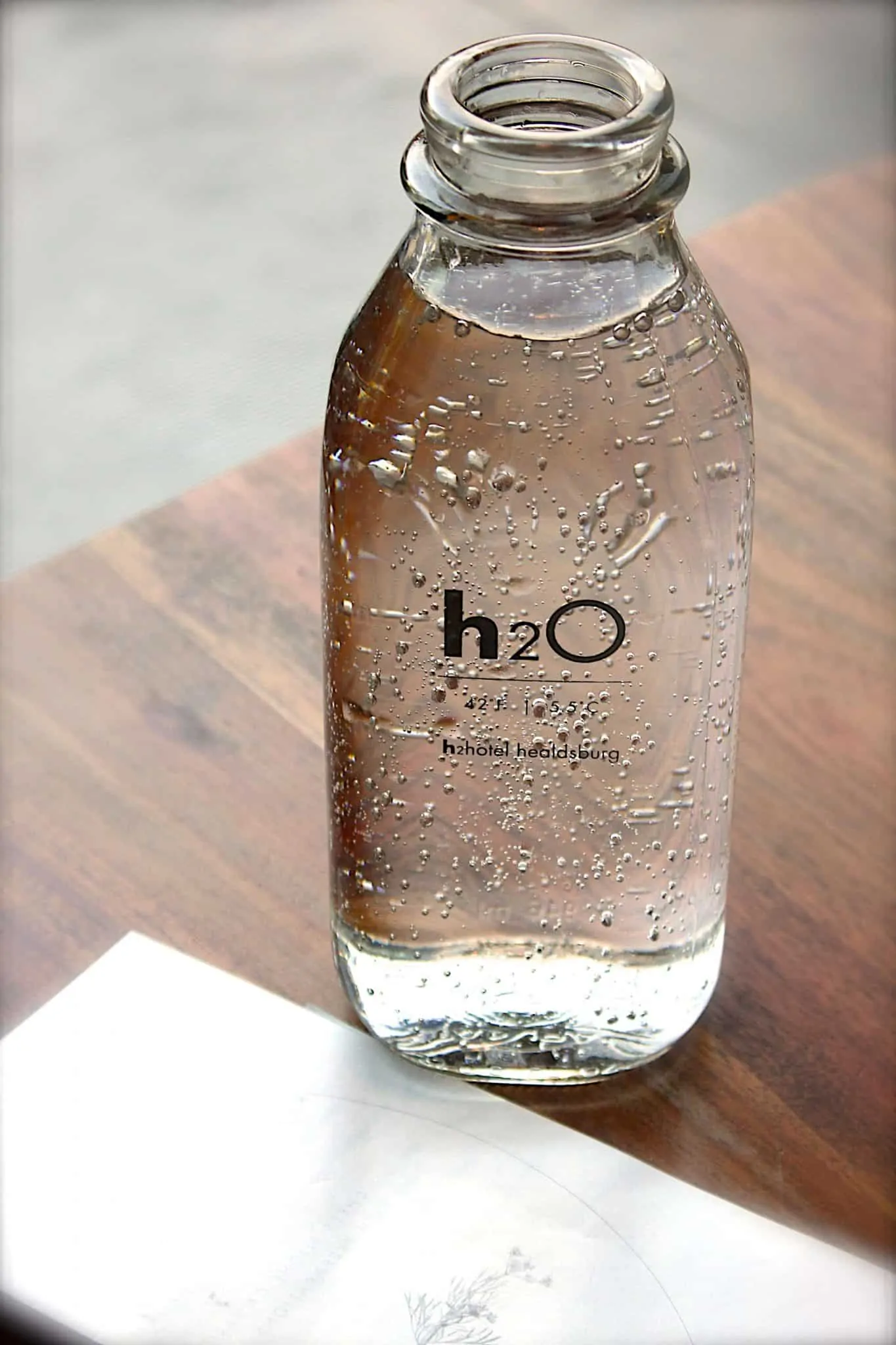
Which Water is Best

I talk a lot about water. A common question for me is “Does it matter what kind of water I drink?” Answer: Yes! Are you just trying to keep your body hydrated, or do you have “health” reasons for drinking the water?

water, best, natural, health

So what are the common types of water and what makes one different from the other? Answer: Let’s look at some common types and their differences. This is not an exhaustive list, but does cover many of the more popular types.

  • Tap Water. Whether you should drink the tap water or not depends what the tap is connected to. Most “city water” taps are filled with chlorine, fluorine, and other chemicals to provide “water safety”. Many of these chemicals can themselves be toxic. And if you have your own well, you should have it tested to see what pathogens and adverse minerals it may contain. Then you can determine if it is safe enough for your tastes.
  • Filtered Water: You may have a water filter on your well or your water tank or your refrigerator. For many this is sufficient – for cooking, cleaning, bathing and perhaps drinking. This depends on you likes and your health concerns.

And then, popular bottled waters:

  • Distilled water is “dead” water. It has no nutrients at all. It is great for using in home appliances where chemicals may be caustic, but as a drinking water I could only think it useful for some body cleansing purposes where you are seeking to get rid of toxins and cleaning is the end purpose.
  • Spring Water is promoted as natural, and clean. It is simply water with natural minerals, and if from a reputable source and is simply to hydrate may be sufficient.
  • Artesian water is promoted as earth’s finest water. The label from a very popular brand reads “rainfall filters through volcanic rock, adding the vital minerals that give [it] its unique and refreshing taste. The water collects in an active ancient artesian aquifer deep within the earth, where it is protected from external elements.” It is a very popular drinking water, simply for hydration.
  • Some brands are labeled as “ultra-purified”. They address contaminants as “less than one part per million”. Their claim is that there are “no additives”, processed for “fast hydration” and “quick absorption” and a patented process to accomplish this. Purity is their main claim and purity is certainly important, but remember that the body itself also removes toxins and uses what it needs of whatever you consume, casting out impurities and toxins as it can.
  • We carry a black water that gets its color from a blend of fulvic and other trace minerals. It’s a great water if you’re looking for another source of trace minerals normally missing from your diets. And it contains electrolytes.
  • Alkaline waters come in many strengths. The black water mentioned above is one alkaline water. We also have a product called Crazy Water which comes in four different pH levels. Since most pathogens entering our bodies cannot survive in an alkaline environment, this is another way to raise the pH level of your body and reduce some acidity.

You can personally research and determine which type of water works best for you. How does it fit with or enhance other health issues for you. From my perspective, it is most important to get enough of some kind of water regularly to keep your body functioning well. Remember that you need to drink at least eight glasses of water a day to fully hydrate your body systems. That’s about the equivalent of one two-liter bottle a day. Fill a two-liter bottle each morning with “effective” water. Make it a goal to drink it all before bedtime that night, preferably by sipping it often all day long!

For more information, contact Naturopathic Doctor Randy Lee, owner of The Health Patch at 1024 S. Douglas Blvd, Midwest City, OK 73130, call 405-736-1030, e-mail [email protected], or visit TheHeathPatch.com.

Eat Live Foods

live, food, vegetable, health, natural I often espouse eating “live” foods and many of my customers then ask “Do you mean I can’t cook my food?” Laugh-Out-Loud (lol)! No, I don’t mean you can never cook your foods, but I do think we eat too many foods that are overcooked and over processed.

So what does it mean to eat “live” foods? Live foods are food from which the vital nutrients have not been removed. We generally call these types of foods “unprocessed” foods. In order to enhance shelf life for our food products, suppliers remove nutrients that cause shelf life to be shortened. But that causes them to contain fewer vital nutrients and aren’t as good for your health.

I’m an advocate of selecting your food from the perimeter of the grocery store – the outside edges. That’s where you find the fresh fruits and vegetables, fresh herbs and spices, the cheeses and dairy products, the fresh cuts of meat and fish, fresh eggs and water. And this is where you find the colorful foods. Did you know that there are even books written about “Eating Your Colors”? Every different shade of food provides some different nutrients. For example, deep red and purple foods provide antioxidants to get rid of free radical damage; orange and red food provide carotenoids such as beta-carotene which aids bone and cell growth, and lutein which is important for healthy vision; green foods provide a powerhouse of nutrients such as fiber, folate, potassium, and the A-C-E vitamins; and crimson, blue and brown foods provide flavonoids that contribute to proper brain function and blood flow.

While canned foods still have some nutrients, I put them in the intermediary – the heat of canning kills many vital nutrients, and the added salt used in the canning process preserves the contents from spoilage but adds sodium which can cause several health issues.

And then there are the packaged foods. They have had most of the “live” nutrients replaced with long-lasting preservatives. The focus is on shelf life. And they will fill you up, but they provide little nutrition.

So what are some things you can do to eat better? Eat more fresh fruits and vegetables. Shop from the outer perimeter of the grocery store. Enlarge the variety of foods you eat to get a better variety of nutrients and prepare your own foods as much as your lifestyle will permit.

Consider one of the popular mail-in food programs we see advertised so much now. They ship the fresh foods along with recipes for preparing them. You can involve the family in the preparation to enhance family time and learn to cook together. And you get a freshly prepared meal.

And you might then consider the next step – a small backyard garden to get just the food you enjoy in the freshest form available – pick them from your backyard and take them in and prepare them for a family meal! Whether you dig up the whole back yard, simply prepare a few small raised beds, or put together a collection of pots and pans for a deck or porch container garden, it can be a life-changing and tasty new hobby.

– For more information, contact Naturopathic Doctor Randy Lee, owner of The Health Patch at 1024 S. Douglas Blvd, Midwest City, OK 73130, call 405-736-1030, e-mail [email protected], or visit TheHeathPatch.com.

Sustainable Living

While Sustainable Living may take on many connotations, I have chosen to look at it from the perspective of personal growth and personal survival under less than perfect conditions. What are the practices that you need to incorporate into your life to ensure that you have a healthy, fulfilling life when all the world around you seems to be falling apart?

First, you will need to eat “live” foods. Live foods are food from which the vital nutrients have not been removed. We generally call these types of foods “unprocessed” foods. In order to enhance shelf life for our food products, suppliers remove nutrients that cause shelf life to be shortened. But that causes them to contain fewer vital nutrients and aren’t as good for your health.

Next, we need to add more “green” foods to our diets. Green foods contain chlorophyll and are richer in fiber, vitamins, and minerals that aren’t available in other foods. These green foods can come from land or sea sources and your diet should have a variety of them to get the variety of nutrients that your body needs.

I take every opportunity I get to highlight the importance of consuming sufficient water. Well over half our body is water-based – from our circulatory system to our lymphatic system to our digestive system and so on. Nothing in our bodies works well without sufficient water. How much do you need? You need a minimum of 64 ounces per day in small serving throughout the day. Your maximum should be around half your body weight in ounces, from a minimum of 64 ounces to about 100 ounces. Drinking more than that could cause some to wash out vital nutrients. Of course, if your lifestyle causes you to sweat a lot, you may need to replace more as well.

And no lifestyle is sustainable without proper exercise. I’m not suggesting that every person need to go spend hours in a gym every day. But several of our body systems depend on movement to function properly – bowel “movements” require movement (!); the lymphatic system requires muscle contractions to move dead cells through peristalsis. And one writer I read recently stated that “a sedentary lifestyle is the new cancer”. I know of many people who decide to retire from work and then go home, sit down, watch TV, and die within a couple of years. We were created for movement.

Our bodies were created to last around 120 years. But a sustainable lifestyle includes more than just existing. Get healthy; get active; eat green “live” foods, and drink plenty of water. As Mr. Spock on Star Trek says, “Live long and Prosper!”

– For more information, contact Naturopathic Doctor Randy Lee, owner of The Health Patch at 1024 S. Douglas Blvd, Midwest City, OK 73130, call 405-736-1030, e-mail [email protected], or visit TheHeathPatch.com.

Managing Regional Allergies

allergy, allergies, regional, US, u.s., managing, relief, planning Have you ever noted how people who live most of their lives in a given location seem to have fewer allergies to the things in that area? I concede that this is not true for every person who lives there, but I still observe it to be generally true. Our bodies seem to have a great ability to adapt.

It is true that as we apply homeopathy, we find that when we ingest a very small amount of a substance (say one part per million!) we don’t immediately feel the effects of that particle on our bodies. But the body recognizes that substance even at that small dilution. And, if that substance is something that could cause harm at a larger dosage, then the body begins immediately to prepare antibodies to the substance. It’s the same principle used in giving someone a flu shot to prevent the flu – a small, weaken germ that causes the body to prepare antidotes so that it is prepared when larger samples arrive.

I think in a broad sense this applies to the allergy example. If you live in an area for a long period of time and your body is subjected to the same substances repeatedly for several years, then your body may produce the antibodies so that with a healthy immune system you may not have the negative reactions that normally result.

This could account for travel problems where street vendors’ foods, local water, and different environmental factors cause you problems. And have you noted new immune issues when you move into a new area or decide to embark on a new diet or new regional activities?

To cover these types of allergy problems, several of our supplement suppliers offer “allergy drops” that are specific to a given regional zone. We purchase only Zone 5 drops from one such provider. They seem to cover the allergy discomforts for folks who live in or visit this zone.

A word of caution – whether this particular information is scientifically, fully accurate or not, you should be prepared to follow good health practices when you travel, move, or visit new places. Take your personal supplements with you and don’t let an allergic reaction to something new spoil your trip.

– For more information, contact Naturopathic Doctor Randy Lee, owner of The Health Patch at 1024 S. Douglas Blvd, Midwest City, at 405-736-1030 or e-mail [email protected] or visit TheHeathPatch.com.

Managing Personal Allergies

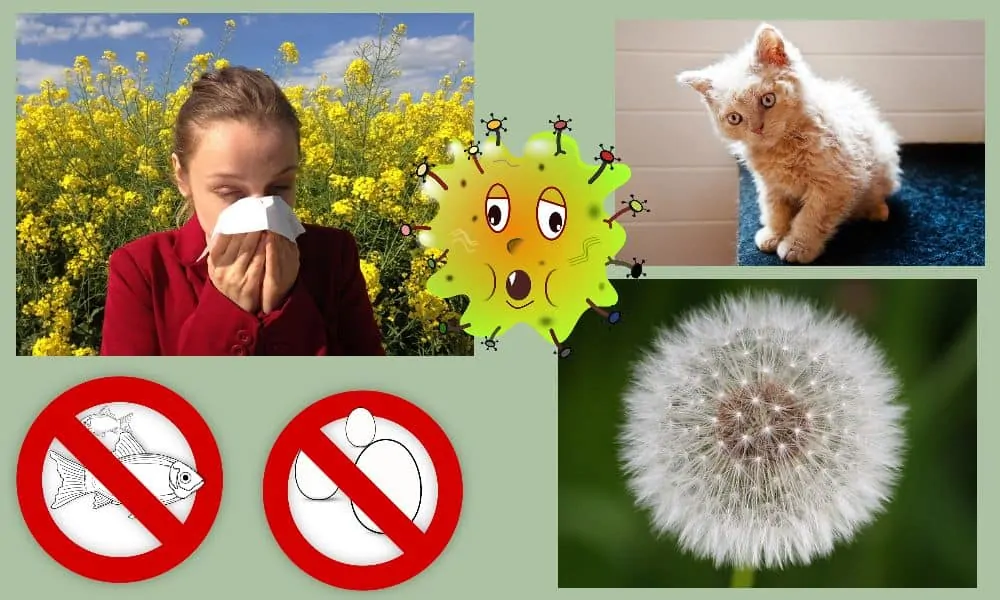
allergies, personal, pollen, manage, managing, cat, fish, eggs, How is your immune system? If it is healthy you probably are one of the lucky ones who doesn’t have a lot of allergies. You see, when we ingest pollens, pollutants, toxins, etc., our bodies have to determine whether it is something natural for our bodies or something that will cause us trouble – e.g., a dietary dilemma, a respiratory resistance, a bowel blunder, or system-wide stress.

If the foreign material is new to us, or our bodies are not able to break it down, then the immune system has to come up with a plan to keep it from breaking us down. This is particularly true with seasonal distresses. We live in central Oklahoma. We recently had a warmer week in the middle of a couple of truly cold periods. I guess Mother Nature thought for a few days that it was turning to Spring, so the Red Cedar trees started to really pour out their pollen. Virtually the whole of the mid-Oklahoma population ran to our shop for anything we had to help them breathe. Histamines poured, nasal passages and sinuses swelled, mucus built and caused coughing, sneezing, and congestion, and dis-ease was rampant.

Fortunately, these are so common that we keep on hand a variety of supplements that block the histamines and minimize the other symptoms. But what can YOU do in these cases?

Be aware of your immune shortfalls. Ask family members what bothers them … they may also be the things that bother you. Particularly ask your parents, grandparents, aunts and uncles what changes they noted as they aged. Be prepared for those seasons that cause you discomfort. Journal! Keep a record of foods that cause you dietary trouble. Stay away from animals that have dander to which you react negatively.

And when you find products that work for your particular allergies, keep some on hand. You may not have a lot of warning when your provokers arise.

I’ve noted a number of new techniques that my customers are able to use to manage their symptoms. Be aware! Look into homeopathic solutions. Consider aromatherapy. Pay attention to the weather and the seasonal changes. No one knows your body or your natural shortcomings like you do.

– For more information, contact Naturopathic Doctor Randy Lee, owner of The Health Patch at 1024 S. Douglas Blvd, Midwest City, at 405-736-1030 or e-mail [email protected] or visit TheHeathPatch.com.

Is Your pH Balanced?

If you took chemistry in high school then you’ve heard of “pH.” “pH” stands for “potential of Hydrogen” and is the mark of the acid-alkaline ratio of an item. In this case, we’re talking about the pH balance of your body. It is the balance between positively charged ions (which form acids) and negatively charged ions (which form alkalines).

Why is this important? A recent pamphlet (available to you at the shop without cost) states that “the body continually strives to balance pH. When this balance is threatened, however, many unpleasant sicknesses can arise. Because our bodies naturally use hydrochloric acid to break down foods and nutrients, the optimal saliva and urine pH for our bodies is slightly acidic, around 6.4-6.5.”

This is only slightly acidic because the number assigned to “neutral” is 7.0. And the measure of a well-functioning body is a saliva pH between 6.4 and 6.8 both morning and evening, and a urine pH of 6.0-6.4 in the morning (since your body has been removing acids during the night) and 6.4-7.0 in the evening. Numbers outside these set up an environment in the body where disease can flourish.

You can easily know what your pH levels are. While the old litmus strips we used in chemistry class only showed us red for acid and blue for alkaline, newer developed strips use a color-code to measure pH from 5.0 to 9.0 in .5 increments.

While the range of diseases attributable to pH imbalance is great, it should be noted that more people suffer from too much acid – a condition known as acidosis. This condition causes the body to borrow the minerals needed to buffer the acids from other organs, tissues, and bones. And while less common, high alkalinity can cause the body to digest foods too slowly and create problems in the bowel and urinary tracts. And too much acid in the saliva can indicate a problem with digestive enzymes from the stomach and liver.

Another example of conditions attributed to an improper balancing of your pH may be the inability to lose weight because the body may be improperly using the minerals needed to maintain proper metabolism.

Many foods we eat contribute to acid and alkaline buildups in our bodies. Further, new research shows that our blood types cause our bodies to react differently from one person to another. A food that is well-used by someone with a blood type of “A” may cause acid problems in a person with blood type “O”, for example. You need to research which foods are best for your blood type.

What do you do if you test your pH and find it out of balance? Well, besides modifying your diet, there are numerous mineral and herbal combinations available to correct either condition. Interestingly, different forms of the same mineral may be necessary to correct an acid as opposed to an alkaline condition. But some elements are common between the conditions: enzymes are essential to ensure vitamins and minerals are absorbed, using the correct calcium is needed, and one should cleanse regularly. Cleansing serves to detoxify your body and a “cleanse” should be accomplished quarterly or at least semi-annually.

While proper nutrition and a good supplement program are always advised, experts further recommend checking your saliva and urine pH levels twice a day and at least two days a week. Conditions caused specifically due to improper pH balances may go undetected for years, but the consequences can be devastating. Enjoy good health and God’s richest blessings.  Gen.1:29.

– Randy Lee, ND, Owner, The Health Patch – Cultivating Naturopathic Care for Total Health 1024 S. Douglas Blvd, Midwest City, OK 73130 | ph:736-1030 | e-mail: [email protected]

Call to schedule your private health consultation with one of our five Naturopathic Doctors!

New Start

new start, resolutions, new year Another new year! January is the time of year we commit ourselves to renewal. New Year’s Resolutions reflect our intentions to make our lives better this year than we did in the last, not to repeat past mistakes, and to make life changes that will encourage better relationships, better livelihood, and better health. But we all know that it takes more than a resolution to make those changes in our lives … it takes a plan, too. The “how to” is often as important as the “what” where significant changes are concerned.

What resolutions do you have for 2019? How will you effect these changes? Have you heard the adage “plan your work, then work your plan”? Well, start with the resolution, the commitment. Make a list of desired changes. Then make a definite plan as to what it will take to effect the changes. Put a timeline on the plan: what will you work on daily, what will be worked on weekly, etc., and do you need to put together a chart to track your progress? Finally, begin immediately (no, not tomorrow!) to work the plan.

I hope “better health” is on your list of New Year’s Resolutions. It certainly is on mine. One of my goals is to lose some weight. Watching my diet, exercising more and taking my supplements are in my plan. I have a chart with places for weekly weigh-ins to track my progress. And I’m telling you about it so you can ask me how it’s going (accountability to others for my goals, too).

In her book Help Yourself: The Beginner’s Guide to Natural Medicine, Karolyn Gazella states that “natural medicine has been catapulted to the forefront of our ailing healthcare system.” She quotes Dr. Michael Murray giving a primary reason for this: “Modern medicine has not done a very good job at teaching people how to be healthy. The dominant medical model is really not a ‘health-care’ model. Instead, it is a ‘disease-care’ model that focuses on using drugs or surgery to promote health. This view is rapidly being replaced by a more rational model of health promotion where the focus is on what can be done to promote health rather than treat disease.”

Dr. Murray gives five principles for this focus:

  1. The body has considerable power to heal itself. The physician facilitates this process and must do no harm.
  2. An individual must be viewed as a whole person composed of a complex interaction of physical, mental/emotional, spiritual, social, and other factors.
  3. It is important to seek the underlying cause of a disease rather than simply suppress the symptoms.
  4. A physician should be foremost a teacher. Educating, empowering, and motivating the patient to assume more personal responsibility for their health by adopting a healthy attitude, lifestyle, and diet.
  5. Prevention is the best cure. Prevention of disease is best accomplished through dietary and life habits which support health and prevent disease.

People who have not used herbal supplements before often ask, “How do I get started?” I recommend any number of good books that correlate ailments to herbs or herbs to ailments. Here are a few examples.

  • The Little Herb Encyclopedia
  • The How To Herb Book
  • Earl Mindell’s Herb Bible

Then look up a hereditary family medical problem or a personal ailment, and see which herbs have historically been used for that condition. Or talk to older family members; many grew up using herbal remedies. Some of the more common ones are glucosamine for arthritis, valerian for sleeplessness, licorice root for fatigue, ginger for motion sickness, kava for nervous anxiety & restlessness, saw palmetto for an enlarged prostate, milk thistle for liver damage, peppermint oil for tension headaches, feverfew for migraine headaches, and vitamins C and E for heart medications that will keep arteries open and dilated, fight plaque buildup and ward off heart attacks.

It’s the New Year. Let’s take advantage of our good intentions at this time of the year and plan to GET STARTED. Then work that plan. Remember, it’s your health … make the most of it.

– Randy Lee, ND, Owner, The Health Patch – Cultivating Naturopathic Care for Total Health, 1024 S. Douglas Blvd, Midwest City, OK 73130, phone/fax: 736-1030, e-mail: [email protected]