Image

Archive for naturopathic doctor – Page 9

History of Veterinary Medicine

Veterinary medicine is the branch of medicine that deals with the prevention, diagnosis and treatment of disease, disorder and injury in animals. Veterinary medicine today is widely practiced, both with and without professional supervision. Today, it includes the use of pharmaceuticals, herbal supplements, essential oils, iridology, massage/reflexology, among other forms of treatment.
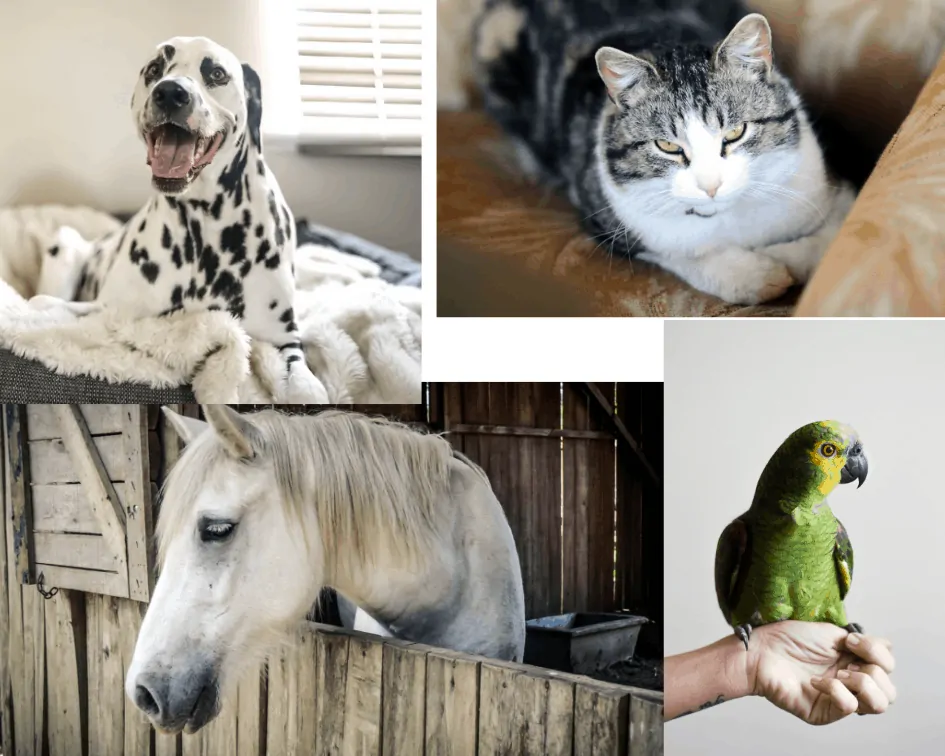
It is thought that man acquired the art of medicine by studying the manner in which animals and birds treated themselves. Accordingly, animals and birds were by this theory the first veterinarians and, by extension, were the pristine source of medicine. The first medicines were plants.

Veterinary medicine is rooted in the early management of stock breeding, when man had to initiate medical care for their herds. Horse doctoring was the major impetus for the development of this trade from ancient times up through the early 20th century in most cultures around the world. Horses, together with oxen, were essential to the general economy, civilian and military transportation, wars, etc. and therefore the most carefully looked after.

Many scholars state that the story of veterinary medicine goes back to a person named Urlugaledinna, who lived in 3000 BC in Mesopotamia, and was claimed to be “an expert in healing animals”. As a recognized profession, veterinarians are mentioned in the early second millennium in Mesopotamia (Code of Hammurabi, reign: 1792–1750 BC).

The ancient Indian author, Salihotriya, whose writings are approximately 6,000 years old, provides an early known designation of the veterinarian in the word ‘Salutri.’ In ancient Egypt the papyrus of Kahun, 12th dynasty: c.1850 BC, mentions animal healing. Both the ancient Indian and the Egyptian veterinarians of this period, proved themselves a success or failure based upon their results as a practicing demonologist.

The Chinese in the 22nd century B.C. originated its veterinary medicine when man began to tame wild animals. By the 16th century B.C., they were carving medical practices on pieces of bone. Full-time veterinarians were in practice by the 11th century B.C.

The earliest Greek evidence so far discovered for veterinarians called hippiatroi (horse doctors) is an honorific inscription of c.130 BC. Between 500-300 BC, the Greek physicians practiced indiscriminately upon the horse and its rider. In Rome, an equarius medicus (horse doctor) is attested by the end of the 1st century BC. Afterwards, terms such as mulomedicus (mule doctor), medicus veterinarius, medicus iumentarius, or medicus pecuarius (livestock doctor) are attested in the late-Roman empire, albeit rarely. A man who explored the viscera of animals was also the nation’s meteorologist.

During the ninth century in England a large collection of medical and veterinarian remedies were compiled in the Bald’s Leechbook. This manuscript takes its name from læca, the Old English word for physician. (Læca later became associated with leeches.) Its recipes are drawn from Greek and Roman authors and several late Antique authors.

The first formal veterinary school was founded in Lyon, France in 1761 by Claude Bourgelat, and that’s when the profession of veterinary medicine officially began. The school focused on studying the anatomy and diseases of sheep, horses and cattle in an effort to combat cattle deaths from a plague in France.

Between 1840 and 1949 traditional veterinarian medicine fell into disfavor in China. Western schools took root in the country at the start of the 20th century. Those who practiced folk medicine carried the practice into the 1950’s when there was a resurgence.

The first American veterinarian school was not established until 1879. At that time farriers often served as the health-care specialists for animals. Although, medical doctors also took on the care of animals.

Mitákuye Oyás’iŋ

Jolene Griffiths, Staff ND, The Health Patch – Cultivating Naturopathic Care for Total Health

1024 S. Douglas Blvd, Midwest City ph: 736-1030, e-mail: [email protected]

*These statements have not been evaluated by the Food and Drug Administration. This information is intended for educational purposes only. It is not intended to diagnose, treat, cure, or prevent any disease.


Children’s Health and Emotions

According to an April 2018 data analysis reported in the Journal of Development and Behavioral Pediatrics more than 2 million U.S. children between the ages of 6 and 17 were diagnosed between 2011 and 2012 with anxiety. Cited reasons varied, but commonly included school issues and parent/family conflict.

As with adults, common physical symptoms expressed in children with anxiety include stomach aches, nausea, headaches, muscle tension, irritability, and difficulty breathing. This connection between emotional well-being and physical illness was something that Dr. Edward Bach, an English medical doctor and homeopath in the 1920’s, observed in his patients. In his observations, he noticed that certain illnesses (or physical symptoms) tended to coincide with personality traits as well as how the emotional state of a person determined a lot about their ability to heal. Dr. Bach concluded that unresolved emotional conflicts in a person created such a state of disharmony that they would eventually lead to physical illness. His belief was that health was created by restoring internal harmony. This led to his discovery, and using with his patients, a type of energy medicine created from flowers commonly referred to as Flower Essence. He created the first 38 flower essence formulas that gently restore the balance between mind and body by alleviating negative emotions such as fear, worry, and anger. Due to their very gentle nature, these made a wonderful formula to help children with anxiety.

One such formula is the Bach Flower Rescue Remedy. This magnificent flower essence, containing Rock Rose, Clematis, Impatiens, Cherry Plum, and Star of Bethlehem is particularly helpful during times of physical or emotional stress and. Here at The Health Patch we carry this flower remedy in spray and drops.

Come see us and let us help you get to the root of good health.

Kim Anderson, CNHP, ND

The Health Patch – Cultivating Naturopathic Care for Total Health
1024 S. Douglas Blvd, Midwest City, OK Phone: 405-736-1030 www.thehealthpatch.com

*These statements have not been evaluated by the Food and Drug Administration. This information is intended for educational purposes only. It is not intended to diagnose, treat, cure, or prevent any disease.

Children’s Health – Early Development

One of the most important measures of preventing childhood disease is breastfeeding. Breastfeeding for less than three months is correlated with a reduced risk of asthma in children.

Another important fact for children is a healthy diet. Children with healthier diets tend to have less childhood diseases. What researchers have found can encourage parents to pursue a healthier wholefood diet for their children.

Researchers also discovered that the daily consumption of grapes, oranges, apples and fresh vegetables has assured less allergies and asthma.

A few tips on the care of children’s health are:

  • Start the day with a healthy breakfast.
  • Let children help plan and prepare one meal each week.
  • Eat together as a family as often as possible.
  • Take time eating, and chew slowly.
  • Eat more fresh fruits and vegetables.
  • Eat more whole grains.
  • Drink plenty of water.

In another study, it is clear that children with allergies may benefit from eating a diet with high proportions of fruits and vegetables throughout the day. And don’t forget to include nuts in children’s diets as well (including walnuts, pecans and almonds), but not until at least two years of age.

The emotional, social and physical development of young children has a direct effect on their overall development and on the adult they will become. It is very important to maximize their future well-being.

Shirley Golden, Staff ND, The Health Patch – Cultivating Naturopathic Care for Total Health
1024 S. Douglas Blvd, Midwest City, OK Phone: 405-736-1030 e-mail: [email protected]

*These statements have not been evaluated by the Food and Drug Administration. This information is intended for educational purposes only. It is not intended to diagnose, treat, cure, or prevent any disease.

Get Your Kids Back to School Healthy

It’s that time of year again. The kids lament and the moms breathe a sigh of relief. Summer seems to get shorter and shorter, and ever more full of activities. So there is little time for rest and then it’s back to the routine of homework and school activities. What can we do to help our kids get the most from their school experience? Here are some ideas.

A well-balanced vitamin and mineral supplement is a necessity. The purpose of every cell in our bodies is to produce energy. But they must have a balance of proper nutrients as well as adequate water, exercise and rest to accomplish this task. Since most of us don’t get regular, well-balanced meals, supplements help to meet this need.

Mental alertness is an imperative. Establish a routine early in the school year. Schedule adequate time for rest, exercise, homework and desired activities. It takes planning and hard work to fit in everything and balance all the desires of a healthy, well-adjusted young person. There are some wonderful nutrient supplements to help with mental alertness, too. They can aid with focus and concentration and they are all natural. This is especially important if your child has focus and attention challenges. Talk to the folks in your local herb shop about specific supplements for your child’s special needs.

Also consider adding an immune system booster to your child’s supplement regimen here at the beginning of the school year. I’d recommend an echinacea or elderberry supplement. This is also important as the flu season starts up in another couple of months. But as we begin to gather in classrooms we mix our ailments with those of our classmates and become susceptible to “who knows what!”

This is also the time of year that we usually see the first round of head lice. There are some excellent natural shampoos and treatments to rid this infestation. One effective recipe using essential oils is to mix two drops eucalyptus oil, one drop each of lavender oil and geranium oil, and a teaspoon of any of the common carrier oils. Then massage this into the hair, leave it for at least a half an hour, and shampoo and rinse. An excellent rinse is made from combining two drops each of these three oils with a half an ounce of vinegar and eight ounces of water. Make sure you rinse every hair and let it dry naturally. Repeat this process daily until all the lice and eggs are gone. My grandma use to say that a good head scrubbing with old fashioned lye soap was a great natural remedy for this, too.

Does you child suffer from acne? They certainly don’t want to return to school with outbreaks of skin rashes and pimples. Help them alleviate this problem with a good hygiene regimen. There are some wonderful herbal programs and some herbal blend supplements to help also.

Finally, remember that the new school year also brings on other conditions for the average student: increased mental stress, increased muscle aches and pains for those involved in school sports, and increased emotional anxiety. Every student experiences these on different levels. Watch your students and listen to them. If a supplement is in order to help them adjust, contact your health food store or herb shop.

This is a wonderful time of the year. We anticipate fall and the end of summer. We look forward to school accomplishments and rejoining friends in daily communication. But it can be a time of added stress. Be sure to put a positive twist on every adventure. Enjoy life and make it full. Enjoy good health and God’s richest blessings. Gen.1:29.

  • For more information, contact Naturopathic Doctor Randy Lee, owner of The Health Patch at 1024 S. Douglas Blvd, Midwest City, at 405-736-1030 or e-mail [email protected] or visit TheHeathPatch.com.

Gut Healing Ideas!

This blog is basically partial summaries of two resources that I have thoroughly enjoyed. They approach gut-healing from two separate perspectives. The first is from a Steven Horne publication. We have purchased several copies of the full copyrighted material and will provide you a copy as long as they last if you come by The Health Patch and ask for one, or we will give you the address if you wish to procure multiple copies for your own use. The second is from an online website called Viome.com – a site owned by Viome Laboratories. They also do extensive work and research dealing with gut health. Both provide excellent ideas for helping you heal your gut.

Dr. Horne lists four specific practices to help you in your efforts to heal your gut.

  • Improve your elimination. Your gut can’t heal adequately if you are experiencing poor bowel transit times. He references practices and products to help improve bowel elimination
  • Eliminate irritants. He suggests avoiding grains containing gluten, refined sugars, high fructose corn syrup (they feed bacteria), substances that disrupt the friendly flora (antibiotics, NSAIDS, etc.), pesticides, food additives, GMOs, and other personally problematic substances such as dairy, nuts, eggs, nightshades, citrus, and shellfish.
  • Balance you gut flora. Fight yeast, substances that cause belching and bloating, and take good probiotics.
  • Nourish the intestines with a good variety of foods and supplements.

The Viome article lists activities which may help enlarge your access to a greater variety of microbiomes.

  • Test your gut microbiome. You can contact them on their website and get a scientific test that will find exactly which foods you should eat to boost the beneficial bacteria and bring balance to YOUR microbial ecosystem. Remember, we are all different!
  • Get outside and play. There are more varieties of beneficial microbes outdoors, but most of us don’t live or play outdoors these days.
  • Try intermittent fasting. Certain bacteria thrive in a calorie-dense environment, while others thrive in a calorie-scarce environment.
  • Get plenty of sleep. And it needs to be restful sleep!
  • Exercise the right amount. Exercise has been shown to enrich diversity, and increase beneficial bacteria.
  • Stick to a schedule. Many of our gut microbes run on a circadian rhythm.
  • Get a pet. Microbes on your pet increase your overall microbial diversity.
  • Keep your home microbiome healthy. Actually, being too clean may reduce beneficial microbe exposure.
  • Choose local, organic veggies. Enough said!

Gut health is not a diet. It is not a program. It is a lifestyle!

– For more information, contact Naturopathic Doctor Randy Lee, owner of The Health Patch at 1024 S. Douglas Blvd, Midwest City, at 405-736-1030 or e-mail pawpaw@TheHealthPatch.com or visit TheHeathPatch.com. Check out our blogs and podcasts under “resources” on our website each week for related topics.

Gut Needs – Mix it Up!

“A healthy gut promotes a healthy body.” But what specific kinds of nutrients does the gut need? Other blogs have covered the basics: some 50 or so enzymes, several bile salts, betaine hydrochloric acid, and hundreds of microbes and probiotics – all to ensure foods are broken down into consumable components. I believe the key focus here is “variety.”

For example, we carry dozens of brands and formulations of probiotics at The Health Patch. When we opened the store 22 years ago, we could only get supplements with half a dozen strains of probiotics containing some two to three million bacteria per capsule. But research has come a long way. As the function of a given strain is uncovered, it is added to the combinations. We now carry several brands with up to 35 strains and as many as 100 million probiotics per capsule.

Additionally, enzymes are often separated by their sources – plant based, animal based or both. And capsules may be gelatin or vegetable for those who don’t wish to use animal sources.

I found an article online by a group called Viome Laboratories who are dedicated to research on gut health. They listed “8 Gut Damaging Foods and Behaviors” to avoid. It’s an article worth reading because they also give valid reasons for the avoidances. Sugar was number one, followed by Artificial Sweeteners. We’ve covered those in our blogs before. They also mentioned GMO foods, Preservatives, Antibiotics, NSAIDS, Stress and Smoking. Each of these destroy specific microbiomes necessary for good gut health. Or conversely, the use of any of these will destroy some beneficial microbiomes which could denigrate your gut health.

Each of us is different; our bodies and their nutritional needs vary – either by genetics or by environments. So there is no “perfect” gut diet that will work for everyone. But it is well determined scientifically that we all need a variety of fruits and vegetables, usually some fermented foods (like sauerkraut or kimchi), green foods, foods from the sea, and proteins. Recent research also shows that bone broth, a supplemental food which has become very popular, may also help to heal leaky gut! Experiment to find those things that work best for you while avoiding those listed above.

– For more information, contact Naturopathic Doctor Randy Lee, owner of The Health Patch at 1024 S. Douglas Blvd, Midwest City, at 405-736-1030 or e-mail [email protected] or visit TheHeathPatch.com. Check out our blogs and podcasts under “resources” on our website each week for related topics.

The Gut-Brain Connection!

Have you ever heard anyone say (or have YOU said) “I eat because I’m bored” or “I eat because I’m depressed” or “I eat because I’m anxious”? Well, there’s something to that. You see, there are actually more nerve connections between the gut and the brain (or the whole Central Nervous System) than between any other two systems in the body.

From a coach’s manual I use for some weight control programs we read, “When you are born your brain and your gut develop from the same tissue. In these early stages, the colonization of gut bacteria regulates the development of hormones that affect your mood, sleep, and a variety of other key functions. So, it should come as no surprise that your body and mind stay closely onnected throughout your life.”

Situational anxiety, stress, and moods cause your brain to cause the release of hormones such as cortisol, which in turn increases your cravings for high-fat, high-sugar foods. The technical science is complicated, but the end result is the same – the brain stimulates the nerves to cause the organs to produce hormones that cause several unwanted actions in our daily lives. That’s the brain’s part.

So how about the gut? If your gut is unhealthy, diseased, leaky, full of pathogens (viruses, bad bacteria, undigested food, yeast, parasites, etc.) then it sends erroneous signals to the brain causing it to respond in error. The wrong hormones are activated, the wrong digestive substances are released at the wrong times to the wrong areas, or the wrong chemical responses complicate an already confused body and bad goes to worse.

Think about Pavlov – he had dogs that were not hungry releasing gastric and pancreatic secretions in response to sensory signals such as the sight and smell of food.

In humans, the gut has the largest numbers of bacteria and the greatest number of species as compared to all other areas of the body. Research shows the importance to human life of these bacteria, so the brain works to protect and nurture them. A loss of them has been shown in clinical trials to cause numerous inflammatory and autoimmune conditions. And the composition of our gut flora changes when our diet changes and as overall health changes. So overall health is directly related to the condition of the gut. A healthy gut directly equates to a healthy body.

For those who are more technical, here’s the summary: “The gut-brain axis is a two-way communication that is very important to maintaining a body’s homeostasis (regular, normal health).

-For more information, contact Naturopathic Doctor Randy Lee, owner of The Health Patch at 1024 S. Douglas Blvd, Midwest City, at 405-736-1030 or e-mail [email protected] or visit TheHeathPatch.com. Check out our blogs and podcasts under “resources” on our website each week for related topics.

ND Care – Game Changer

naturopathic doctors With rising health care costs many of us have turned to self-care as our primary health initiative. We ask family and friends for advice and spend time reading labels in the over-the-counter meds section of the grocery store looking for our symptoms.



Wouldn’t you like to have another alternative that gave you access to a professional to help track your wellness journey but cost less than traditional medicine? How does a full hour with a Doctor of Natural Health for only $35* sound? Would that be a “game changer” for you?

Naturopathic Doctors (NDs) advocate the use of Vitamins, Minerals, Whole Foods and Herbal Supplements (Alternative Medicine) to help you attain and maintain wellness.  They don’t diagnose, treat, or cure named diseases, but they analyze body systems and listen to you as you describe your ailments.  They pay attention to your family health history. And they keep records of your progress from visit to visit.

No one knows your body like you do. Taking charge of your own health and having a personal ND to train and guide you could be the Game Changer you’ve been missing.

*A common average; initial intakes may be more.

–  Randy Lee, ND, Owner, The Health Patch – Cultivating Naturopathic Care for Total Health, 1024 S. Douglas Blvd, Midwest City, OK 73130, phone/fax: 736-1030, e-mail: [email protected].

Personal ND Health Care Can Be A Game Changer

photo_48899_20151116 With rising health care costs many of us have turned to self-care as our primary health initiative. We ask family and friends for advice and spend time reading labels in the over-the-counter meds section of the grocery store looking for our symptoms.

Wouldn’t you like to have another alternative that gave you access to a professional to help track your wellness journey but cost less than traditional medicine? How does a full hour with a Doctor of Natural Health for only $30* sound? Would that be a “game changer” for you?

Naturopathic Doctors (NDs) advocate the use of Vitamins, Minerals, Whole Foods and Herbal Supplements (Alternative Medicine) to help you attain and maintain wellness.  They don’t diagnose, treat, or cure named diseases, but they analyze body systems and listen to you as you describe your ailments.  They pay attention to your family health history. And they keep records of your progress from visit to visit.

No one knows your body like you do. Taking charge of your own health and having a personal ND to train and guide you could be the Game Changer you’ve been missing.

*A common average; initial intakes may be more.

–  Randy Lee, ND, Owner, The Health Patch – Cultivating Naturopathic Care for Total Health, 1024 S. Douglas Blvd, Midwest City, OK 73130, phone/fax: 736-1030, e-mail: [email protected].