Image

Archive for Naturopathic doctor – Page 7

The Eyes Have It

eyes, funny, natural

Most of us truly treasure our eyesight. Yet most of us take for granted that as we grow older our eyesight will diminish. On the other hand, we regularly hear of folks well into their centenary years who still have excellent eyesight – often even without eyeglasses. So what makes the difference? Surely genetics plays a part in it. But I believe that proper nutrition that “feeds” the eyes is also a contributor. Let’s look at some herbs that specifically seem to nourish the eyes.

One whose name seems to speak to its benefit is Eyebright. It has been used for centuries as the herb of choice for many diseases of the eyes. Eyebright can be taken internally and is also used in many eyewash formulas because it has antibacterial, antiseptic and astringent properties. It is especially useful for treating conjunctivitis, or “pink eye,” and sore, stinging inflammation along with discharges. Eyebright seems to have the ability to improve vision, relieve eye pressure, relieve over-sensitivity to light, and protect the optic nerve in the early stages of glaucoma. A number of testimonials attribute to its usefulness in removing cataracts if used regularly for a few weeks to a few months. It contains a glycoside called aucoboside, which definitely strengthens the capillaries and improves circulation in the eyes. Making eyewash with it is easy and the wash can be used up to a dozen times a day. Simply empty a capsule of the herb into water and boil it for about ten minutes. Cool it, strain it, and then use it as you would any eyewash. This can relieve the discomfort of both eyestrain and minor irritation.

Bilberry contains potent antioxidants that are able to cross the blood-brain barrier to neutralize free radicals in the brain and other nerve tissues including the eyes. One reference told the story of British pilots in World War II who ate bilberry jam on their bread. It states that they were observed to suffer less fatigue, have reduced eye irritation and nearsightedness, and possess better night vision and an extended range and sharpness of vision. It is further known to reduce eye irritation from smog. Note that while vision will often improve within a couple of weeks, continued use over time is needed for the greatest benefits.

There is truth to the old adage that eating carrots will also help improve your eyesight. You see, carrots contain not only beta carotene but other carotenoids such as lutein which concentrate in the eye. These are needed in sufficiently high levels to protect eye tissues such as the macula, and macular degeneration is the leading cause of visual loss. One reference also noted that lutein dwindles in menopausal years, which may contribute to loss of eyesight as women age.

Soy has a variety of nutritional values. Among them is its ability to lower high cholesterol. How does that relate to the eyes? High cholesterol levels drop the density of retinol necessary for good eye health.

Combinations, which take advantage of the synergistic effect of combining herbs, contribute to “eye” formulas. One popular formula combines eyebright with golden seal (antiseptic), bayberry (astringent), and red raspberry (better known for its use in female tonics). Such combinations have been used with hay fever, glaucoma, and superficial cataracts. Remember that these results may take months to accomplish.

Vitamins are a good idea for all our body systems, but we should note that of particular importance to our eyes are the vitamins A and C and a good complex of the B vitamins. And keep eating carrots!

Don’t face old age passively. Work at getting everything from life that God intended. And when we “vote” for good vision right up to the moment we’re called to heaven’s gate, remember, the “eyes” have it. Enjoy good health and God’s richest blessings. Gen.1:29.

  • For more information, contact Naturopathic Doctor Randy Lee, owner of The Health Patch at 1024 S. Douglas Blvd, Midwest City, at 405-736-1030 or e-mail [email protected] or visit TheHeathPatch.com.

The Importance of Exercise

exercise, natural, health

We all know that exercise is important. It is certainly one of the practices that we need to incorporate into your life to ensure that we have a healthy, fulfilling life when the entire world around us seems to be falling apart. Most can recall the increased activity levels of our youth, but we seem to let go of the motivation to “move” as we age. Life gets busy and the gym loses its priority, and after a long day of sedentary work, we just want to relax. So a mental acknowledgment of the importance of exercise gives way to the practicality of daily living. Is that really so bad?

Truthfully, no healthy lifestyle is sustainable without proper exercise. I’m not suggesting that every person need to go spend hours in a gym every day or even that you have a gym membership. But “movement is necessary for health. Let’s look at some reasons.

Of primary importance is the fact that several of our body systems depend on movement to function properly. The circulatory system has the heart at its center – a pump that forces blood through arteries, veins, and capillaries to get nutrients and oxygen to all our cells. But look at three of these systems:

  • The respiratory system provides oxygen to the circulatory system for disbursement. But the amount of oxygen we have to send is dependent on how much is in the lungs. Deeper breathing, like that that accompanies exercise, provides the needed oxygen. And the bottom parts of the lungs may fill with fluids if we don’t breathe deeply regularly. Carbon dioxide is toxic and can stay for long periods of time in the lower lungs if we don’t breathe deeply – e.g., exercise!
  • Elimination from the digestive system requires movement. There is no digestive “pump”. Movement of nutrients from digestion throughout the digestive systems depends on the peristalsis that comes from muscles pressing against the intestines and colon. Bowel “movements” require movement!
  • The lymphatic system is the system that removes dead cells from within the body. It is estimated that the body is made up of some 50-100 trillion cells and about 300 million of them die and are replaced every minute. Those in the digestive tract are generally removed through the digestive tract, but the remainder is removed by the lymphatic system. And it requires muscle contractions to move dead cells through peristalsis. Without exercise, those dead cells just rest and putrefy inside your body contributing to disease.

Most publicity about exercise centers on weight management. You probably know a lot about that already, so I’ll just point out that a pound of body weight equals around 3500 calories. We have machines to measure your metabolic rates. Each person’s rates are different and depend on factors such as current weight, exercise levels, types of foods consumed, and caloric intake. For most people, the rates run around 1200 to 2500 calories burned per day. If you consume more than you burn, you gain weight. Exercise not only burns calories, but it also raises your metabolic rate, making it easier to burn more.

And one writer I read recently stated that “a sedentary lifestyle is the new cancer.” I know of many people who decide to retire from work and then go home, sit down, watch TV, and die within a couple of years. We were created for movement.

Whether you exercise to feel better, to lose weight, to look better, or to help prevent disease, know that it helps in all these lifestyle factors. Get moving!

For more information, contact Naturopathic Doctor Randy Lee, owner of The Health Patch at 1024 S. Douglas Blvd, Midwest City, OK 73130, call 405-736-1030, e-mail [email protected], or visit TheHeathPatch.com.

Which Water is Best

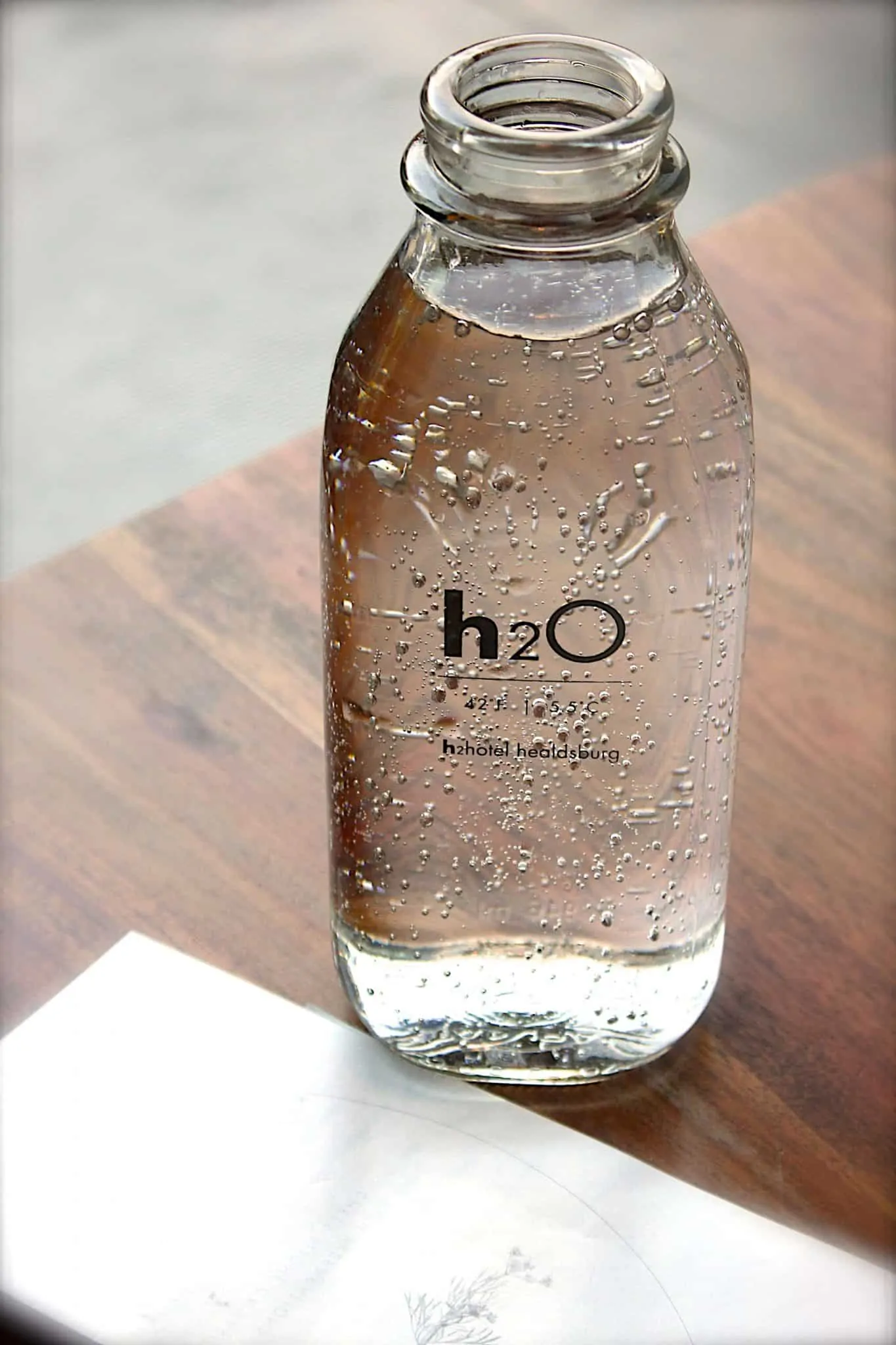
I talk a lot about water. A common question for me is “Does it matter what kind of water I drink?” Answer: Yes! Are you just trying to keep your body hydrated, or do you have “health” reasons for drinking the water?

water, best, natural, health

So what are the common types of water and what makes one different from the other? Answer: Let’s look at some common types and their differences. This is not an exhaustive list, but does cover many of the more popular types.

  • Tap Water. Whether you should drink the tap water or not depends what the tap is connected to. Most “city water” taps are filled with chlorine, fluorine, and other chemicals to provide “water safety”. Many of these chemicals can themselves be toxic. And if you have your own well, you should have it tested to see what pathogens and adverse minerals it may contain. Then you can determine if it is safe enough for your tastes.
  • Filtered Water: You may have a water filter on your well or your water tank or your refrigerator. For many this is sufficient – for cooking, cleaning, bathing and perhaps drinking. This depends on you likes and your health concerns.

And then, popular bottled waters:

  • Distilled water is “dead” water. It has no nutrients at all. It is great for using in home appliances where chemicals may be caustic, but as a drinking water I could only think it useful for some body cleansing purposes where you are seeking to get rid of toxins and cleaning is the end purpose.
  • Spring Water is promoted as natural, and clean. It is simply water with natural minerals, and if from a reputable source and is simply to hydrate may be sufficient.
  • Artesian water is promoted as earth’s finest water. The label from a very popular brand reads “rainfall filters through volcanic rock, adding the vital minerals that give [it] its unique and refreshing taste. The water collects in an active ancient artesian aquifer deep within the earth, where it is protected from external elements.” It is a very popular drinking water, simply for hydration.
  • Some brands are labeled as “ultra-purified”. They address contaminants as “less than one part per million”. Their claim is that there are “no additives”, processed for “fast hydration” and “quick absorption” and a patented process to accomplish this. Purity is their main claim and purity is certainly important, but remember that the body itself also removes toxins and uses what it needs of whatever you consume, casting out impurities and toxins as it can.
  • We carry a black water that gets its color from a blend of fulvic and other trace minerals. It’s a great water if you’re looking for another source of trace minerals normally missing from your diets. And it contains electrolytes.
  • Alkaline waters come in many strengths. The black water mentioned above is one alkaline water. We also have a product called Crazy Water which comes in four different pH levels. Since most pathogens entering our bodies cannot survive in an alkaline environment, this is another way to raise the pH level of your body and reduce some acidity.

You can personally research and determine which type of water works best for you. How does it fit with or enhance other health issues for you. From my perspective, it is most important to get enough of some kind of water regularly to keep your body functioning well. Remember that you need to drink at least eight glasses of water a day to fully hydrate your body systems. That’s about the equivalent of one two-liter bottle a day. Fill a two-liter bottle each morning with “effective” water. Make it a goal to drink it all before bedtime that night, preferably by sipping it often all day long!

For more information, contact Naturopathic Doctor Randy Lee, owner of The Health Patch at 1024 S. Douglas Blvd, Midwest City, OK 73130, call 405-736-1030, e-mail [email protected], or visit TheHeathPatch.com.